
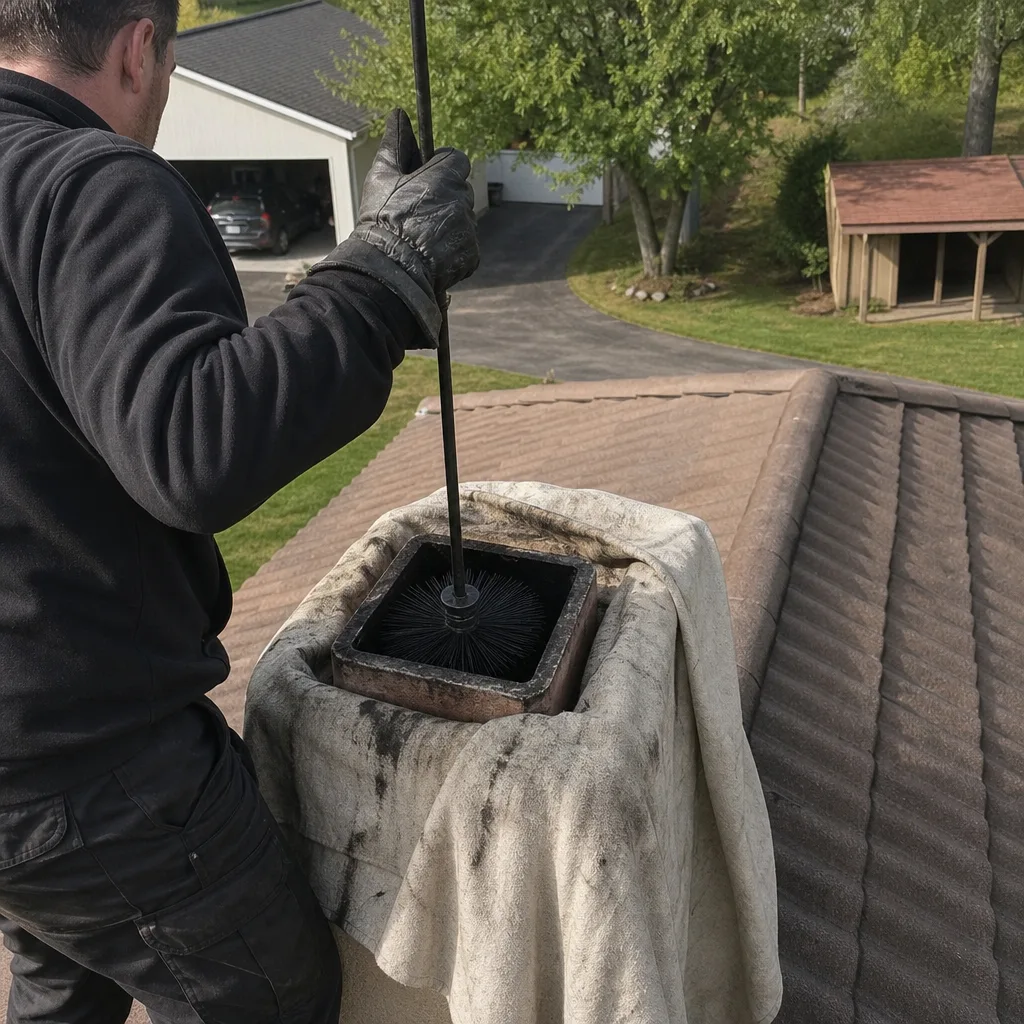
Last updated November 25, 2026
 Sweep & inspection
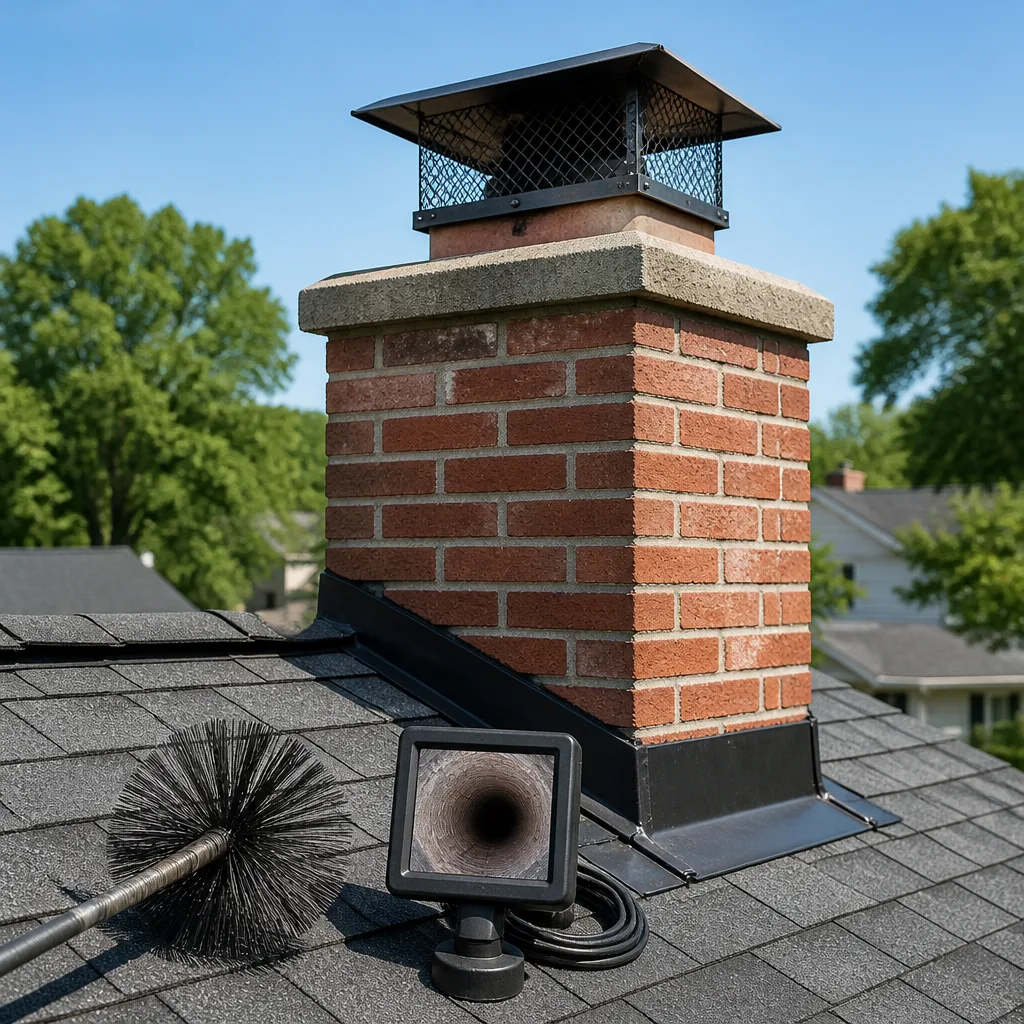
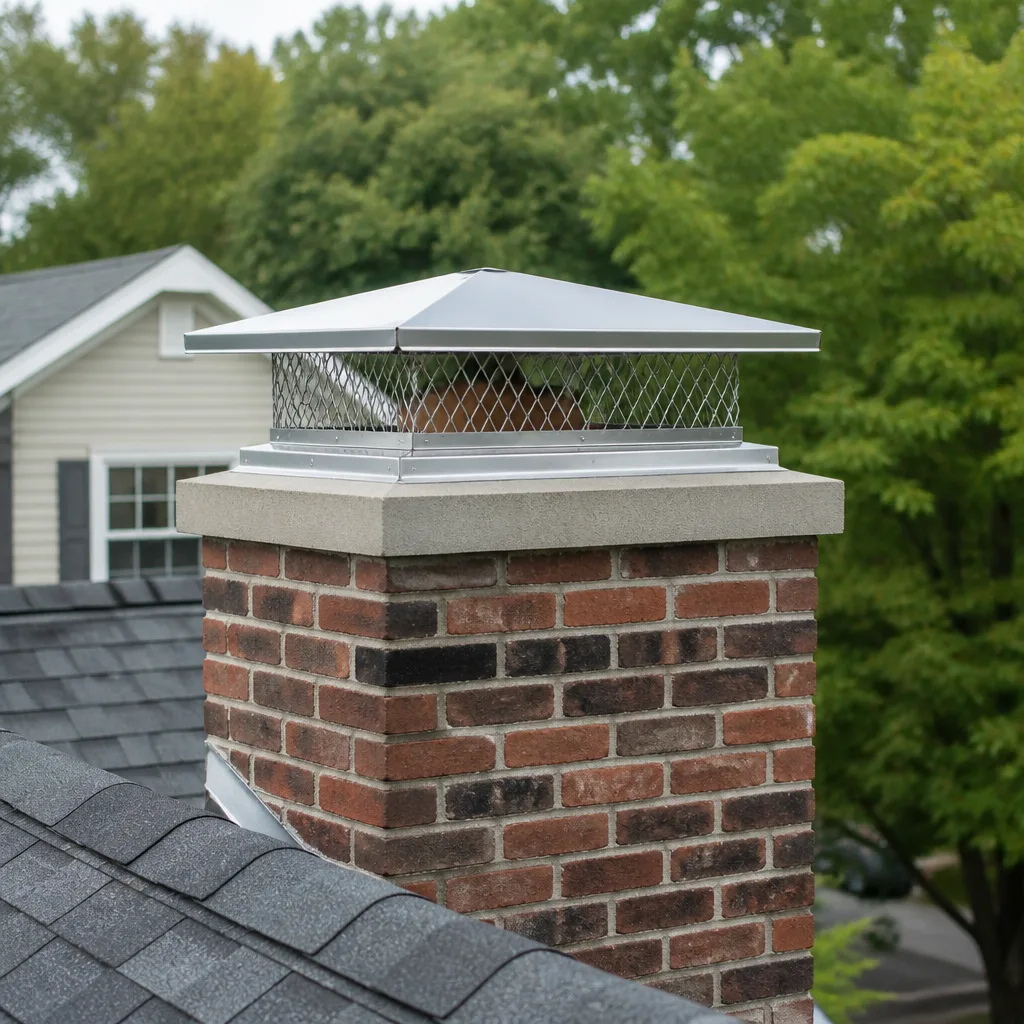 Caps & crowns
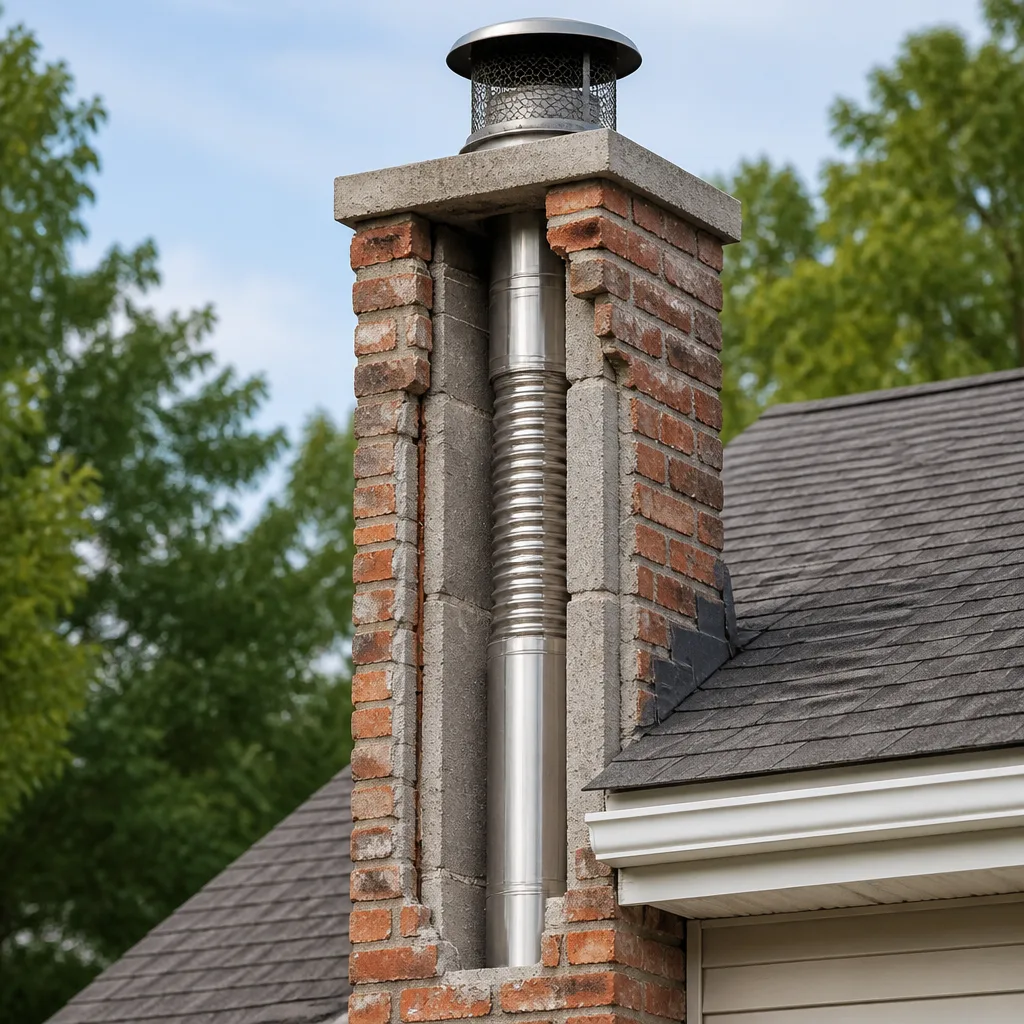 Flue relining
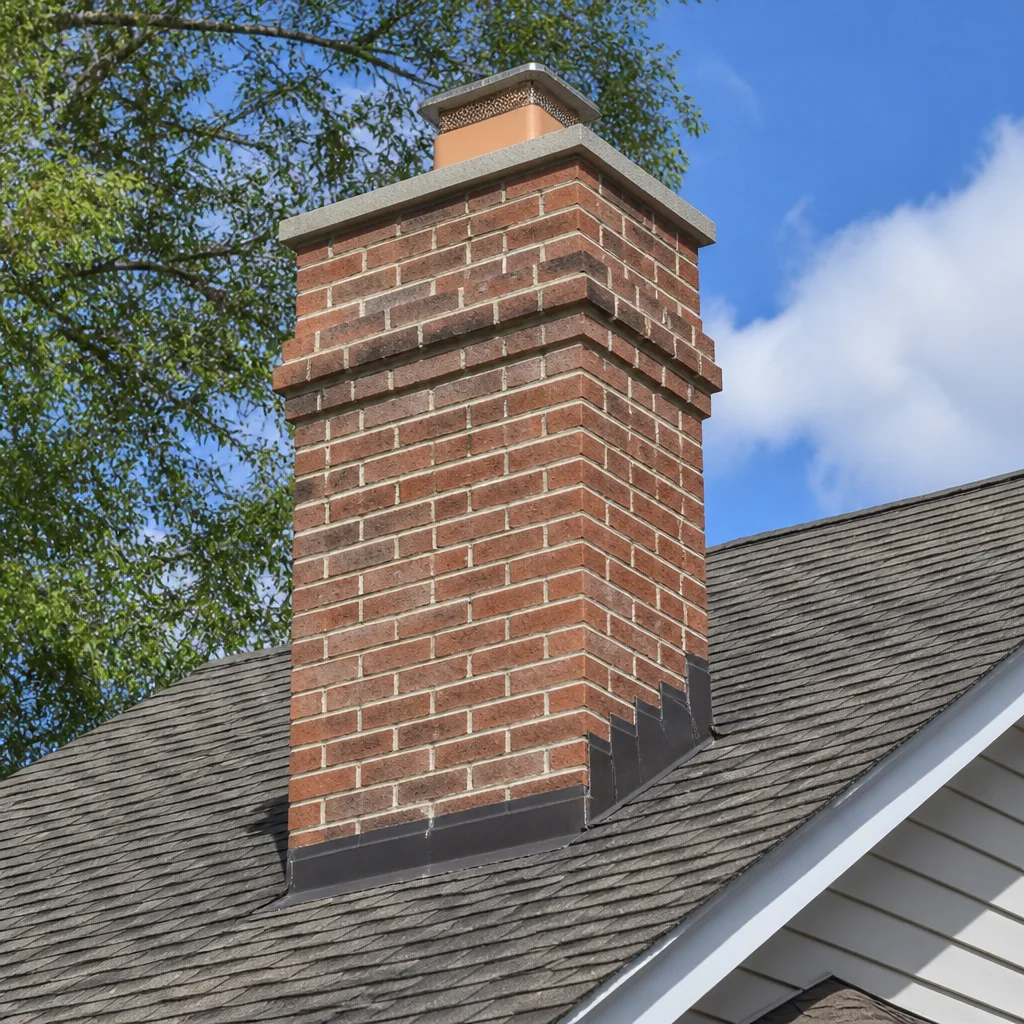 Masonry repair
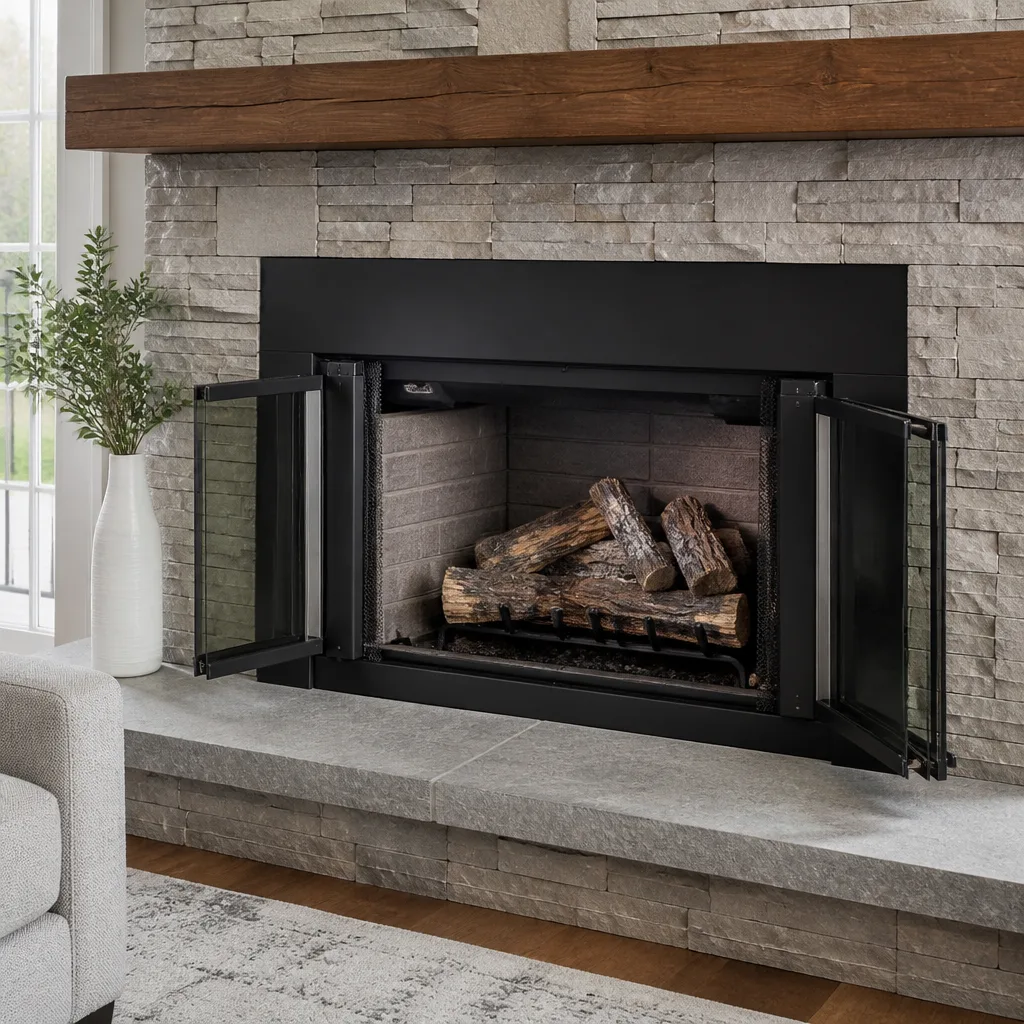 Gas fireplace service
Level 1 sweep and inspection to the NFPA 211 annual standard - flue, crown, cap, and flashing checked and photographed
Chimney sweep logs do not sweep chimneys. They loosen some creosote - which then falls where a brush and vacuum still have to collect it.
Chimney Cleaning Cost Breakdown: The Bellevue Homeowner’s Reference for 2026
If a chimney sweep quote seems unusually low, the most common explanation isn’t that you found a deal. It’s that something wasn’t included in the scope. In our experience around Bellevue, the base sweep price covers a narrow slice of the work, and the rest of what a chimney actually needs – the inspection level, the camera scan, the firebox, the smoke chamber – gets billed separately or quietly skipped. This guide breaks down what drives total cost in 2026 so you can budget accurately and spot an incomplete job before you accept it. You’ll learn what’s in the base price, what add-ons cost, how chimney type changes the number, and how annual cleaning pays for itself in avoided repair bills.
Quick Answer
A standard chimney sweep in Bellevue typically runs $150 to $250 for a wood-burning masonry flue with a Level 1 inspection included, while gas inserts and prefab systems usually come in lower and full-scope cleaning with a Level 2 camera inspection runs higher, often $250 to $450. The base price is only the starting point. Real total cost depends on chimney type, inspection level, how much creosote has built up, and whether the sweep surfaces a repair like a cracked crown or a failing cap.
Styles & brands we work with
- Sweep & inspection
- Caps & crowns
- Flue relining
- Masonry repair
- Gas fireplace service
Table of Contents
- What Does a Base Chimney Sweep Price Actually Cover in Bellevue?
- What Gets Billed as an Add-On, and What Should It Cost?
- How Your Chimney Type Changes the Price
- The Repair-Discovery Variable: What a Sweep Usually Surfaces
- How to Tell a Genuine Low Quote From a Scope Cut
- Annual Cleaning as a Cost-Avoidance Strategy
- When to Book in Bellevue and Why Timing Matters
- Common Mistakes to Avoid
What Does a Base Chimney Sweep Price Actually Cover in Bellevue?
A base sweep price in Bellevue covers the flue cleaning and a basic visual inspection, and that’s usually it. The technician brushes or vacuums the flue to remove soot and creosote, does a Level 1 inspection with a flashlight and eyes, and checks the firebox and damper opening. For a straightforward wood-burning masonry chimney with modest buildup, this is the work that matters most. Our technicians have up to 15 years of experience, and they’ll tell you the flue clean itself is not where most cost lives.
Here’s what a base price typically includes in 2026:
- Flue brushing and soot removal for one flue
- Level 1 inspection (visual, readily accessible areas)
- Firebox and damper opening check
- Basic debris cleanup at the base
Just as important is what a base price often leaves out. A camera scan of the flue interior, a full firebox scrub, smoke chamber cleaning, and any Level 2 inspection are usually separate line items. Those aren’t upsells for their own sake – each one catches something the base sweep can’t. A Level 1 inspection won’t see a cracked flue tile halfway up a masonry chimney, and it won’t reveal the state of the smoke chamber where creosote glazes onto the walls.
Bellevue homes sit in a climate with real seasonal swings. Winters are cold enough for heavy fireplace use, and summers swing hot and humid. That means creosote can build faster than homeowners expect during the burn season, and a chimney that sat through a wet summer may show moisture damage by fall. When you schedule a Chimney Sweep Bellevue, ask up front which inspection level is included. That one question tells you whether the base price is genuine or just a foot in the door.
What Gets Billed as an Add-On, and What Should It Cost?
Most add-ons in Bellevue fall into a predictable set with fairly stable 2026 price ranges. The scope is where quotes differ, not the market. Here’s how the line items break down, and what you can reasonably budget for each:
- Level 1 inspection – usually included in the base sweep; if it’s billed separately, that’s a red flag.
- Level 2 camera inspection – roughly $75 to $150 on top of the sweep. A video scan of the flue interior. Worth it whenever there’s a change in how the chimney performs or a sale is pending.
- Firebox cleaning – about $50 to $100. Full scrub of the firebox brick, not just a sweep-out.
- Smoke chamber cleaning – roughly $75 to $150. This is the sloped area above the damper where creosote collects thickest and where a lot of sweep-only jobs fall short.
- Crown repair – typically $200 to $600 depending on size and extent. The crown is the concrete top that sheds water away from the flue.
- Cap replacement – about $150 to $400. A quality cap keeps rain, animals, and debris out of the flue.
- Damper replacement – roughly $250 to $600. A worn damper that won’t seal lets heat and conditioned air escape year-round.
These ranges are typical estimates for the Bellevue market. The written estimate sets the final price, and it should list every line item so you can see exactly what you’re paying for. “One call covers it” isn’t a slogan here – sweep, inspection, crown repair, cap replacement, and liner work all fall under the same scope. We handle the chimney cap & crown work ourselves rather than passing you to a roofer or a handyman, which cuts the coordination cost of hiring three contractors for one chimney.
How Your Chimney Type Changes the Price
Chimney type changes both the cleaning method and the price by a meaningful margin, and it’s the first thing to know when comparing quotes. Three common setups in Bellevue homes:
Wood-burning masonry chimneys
The most labor-intensive to clean. Creosote glazes onto brick and clay tile, and the technician works the full flue height. These generally carry the higher end of the base range, and they’re the ones most likely to surface repair needs. Masonry absorbs moisture and expands in freeze-thaw cycles, so cracks and spalling show up over time. When the flue tiles are damaged, HeatShield resurfacing can often restore them without full demolition – restore before you replace, in most cases.
Gas inserts and gas fireplaces
Gas units produce less soot and no creosote buildup in the traditional sense, so cleaning is quicker and usually priced lower. The trade-off is that gas systems still need inspection for venting, connection integrity, and carbon monoxide risk. A gas fireplace that hasn’t been serviced can develop a venting problem that a cleaning alone won’t catch, which is why fireplace repair often comes into the picture alongside inspection.
Prefab and factory-built systems
Prefab chimneys have specific clearances and components (the cap, the chase, the termination) that need particular attention. Cleaning is usually straightforward, but repair parts must match the system, which is where professional-grade brands like Olympia Chimney and Gelco matter. Big-box substitutes don’t always fit the existing assembly.
One safety note for wood-burning systems: the flue, damper, and smoke chamber are where creosote builds and where a chimney fire starts. We inspect those components carefully and recommend a trained professional for any repair inside the flue. The flue is not a do-it-yourself area – the clearance and venting requirements are exact, and the consequences of getting them wrong are serious.
The Repair-Discovery Variable: What a Sweep Usually Surfaces
A sweep surfaces a deficiency more often than not, and that discovery is the biggest reason a cleaning bill grows. The chimney is a working system exposed to weather and fire, so routine cleaning is also routine diagnosis. In our experience, the majority of Bellevue sweeps turn up at least one item worth fixing – sometimes now, sometimes in a year or two.
The most common repairs we see, in rough order of frequency:
- Cracked or spalling crown. The leading cause of long-term water intrusion at the top of the chimney. Water gets behind the crown, freezes, and works the masonry apart.
- Missing or damaged cap. No cap means rain, birds, and debris straight down the flue. A proper cap is one of the highest-value fixes you can make.
- Damaged flue tiles. Cracks or gaps in clay tile are a carbon monoxide and chimney fire risk. HeatShield resurfacing can restore a usable flue short of rebuilding it.
- Worn damper. A damper that won’t seal wastes energy and lets creosote odor into the house.
- Water intrusion damage. Staining, efflorescence, or a rusted firebox point to a leak somewhere at the top of the system.
Here’s the part that matters for trust: nothing is recommended without camera evidence you can see for yourself. The technician shows you the photo or the video scan at the flue, points to the issue, and explains what happens if you wait. Sometimes the honest answer is that work can safely wait a season. Crown repair and cap replacement usually can’t. If a damper or a flue defect is allowing carbon monoxide to enter the home, that’s the one you don’t defer.
How to Tell a Genuine Low Quote From a Scope Cut
A genuinely low quote reflects efficiency – a straightforward sweep on a clean, accessible chimney. A scope-cut quote looks low because the important work isn’t in it. The difference is invisible on the invoice line total, so you have to ask. Here’s a short checklist to run before you accept any quote in Bellevue:
- Which inspection level is included? If the answer is vague, ask specifically about a Level 2 camera scan.
- Does the price include firebox and smoke chamber cleaning, or are those separate?
- Is the flue cleared of creosote to the full height, or just the accessible section?
- What happens if the sweep finds a deficiency? Get a written estimate for the likely repairs before you book, so there are no surprises.
- Who does the repair work? If the sweep company outsources liner or crown work, understand the handoff and the timeline.
- Is the estimate written and itemized, or is it a verbal number on the phone?
A quote that answers all six is not necessarily the cheapest. It’s the one that won’t leave you paying twice. We work with professional-grade materials – DuraFlex flexible liner systems, HeatShield resurfacing, Gelco and Famco caps and crown products, Olympia Chimney components, Copperfield – because trade-spec products hold up where big-box substitutes fail. That’s a cost question as much as a quality question. A $40 cap that rusts out in three years is more expensive than a proper cap that lasts. Sweep to cap, it’s one scope, which is also one bill.
Annual Cleaning as a Cost-Avoidance Strategy
Skipping a year or two of cleaning is usually a false saving, and annual cleaning is the cheapest preventive maintenance a chimney gets. The math tilts further against skipping in a climate like Bellevue’s, where a wet summer followed by a cold burn season is exactly the pattern that accelerates water damage and creosote buildup.
What skipping typically costs, in cumulative repair bills:
- One skipped year: Extra creosote depth that makes the next sweep longer and pricier, plus early-stage moisture staining that a crown repair can still fix at moderate cost.
- Two or three skipped years: Crown damage that has spread, a rusted or warped damper, and possibly flue tile degradation – which pushes you from a $150-$600 repair into the range where resurfacing or relining is needed.
- Longer neglect: Structural masonry damage from repeated freeze-thaw, and the safety risk of a chimney fire from heavy creosote.
The swept-and-maintained path is far cheaper over time, and it keeps the chimney at a known state rather than a mystery. Making chimney sweep an annual habit means each visit builds on the last inspection record, so a small trend gets caught before it becomes a project. That’s the strongest argument for annual cleaning: it’s the cheapest way to keep repair costs bounded.
When to Book in Bellevue and Why Timing Matters
Book before the burn season starts, not during it, and Bellevue homeowners have a clear window in early fall. The logic is simple – cleaning a chimney is easiest when it hasn’t been used since the last fire, and creosote is easier to remove before months of accumulation. Early fall also leaves time to complete any repairs the inspection surfaces before the first cold snap.
A few timing points worth knowing:
- Late summer and early fall are the natural pre-season window. Get the sweep on the calendar before the fires start.
- If a chimney sat through a wet summer, inspect early – moisture damage shows up first at the crown and cap.
- For a real-estate transaction, a certified pre-purchase inspection should be scheduled well before closing so any repair findings have time to be addressed.
When a deficiency surfaces, the repair season matters too. Crown and cap work needs weather that allows the materials to set properly. Liner and resurfacing work is easier to fit in before the burn season begins. Planning all of it in one booked visit avoids the scramble of finding a contractor mid-winter.
Common Mistakes to Avoid
- Choosing a quote by price alone. The lowest number is often a reduced scope. Compare line items, inspection level, and what’s explicitly included before you decide.
- Accepting a sweep without a written estimate. In Bellevue, a legitimate full-scope cleaning should come with an itemized estimate before work starts. Verbal-only pricing is where surprise repair bills live.
- Ignoring the crown and cap because they’re out of sight. Water intrusion from a failing crown is the leading cause of long-term chimney deterioration. Out of sight is exactly where the damage starts.
- Hiring a sweep-only company for repair work. If the technician who cleans can’t diagnose and fix the whole system, you’ll coordinate a second contractor for liner, crown, or cap work – and lose time doing it.
- Skipping the camera inspection to save money. The $75-$150 you save can hide a flue defect that costs far more to fix later. A camera scan is worth it whenever performance has changed or a sale is pending.
- Waiting until the middle of burn season. Consecutive appointments fill during the cold months. Book in early fall so a repair can still happen before the fires start.
- Assuming a gas fireplace needs no inspection. Gas units still need venting checks and carbon monoxide monitoring. A clean gas firebox is not the same as a safe one.
See the difference
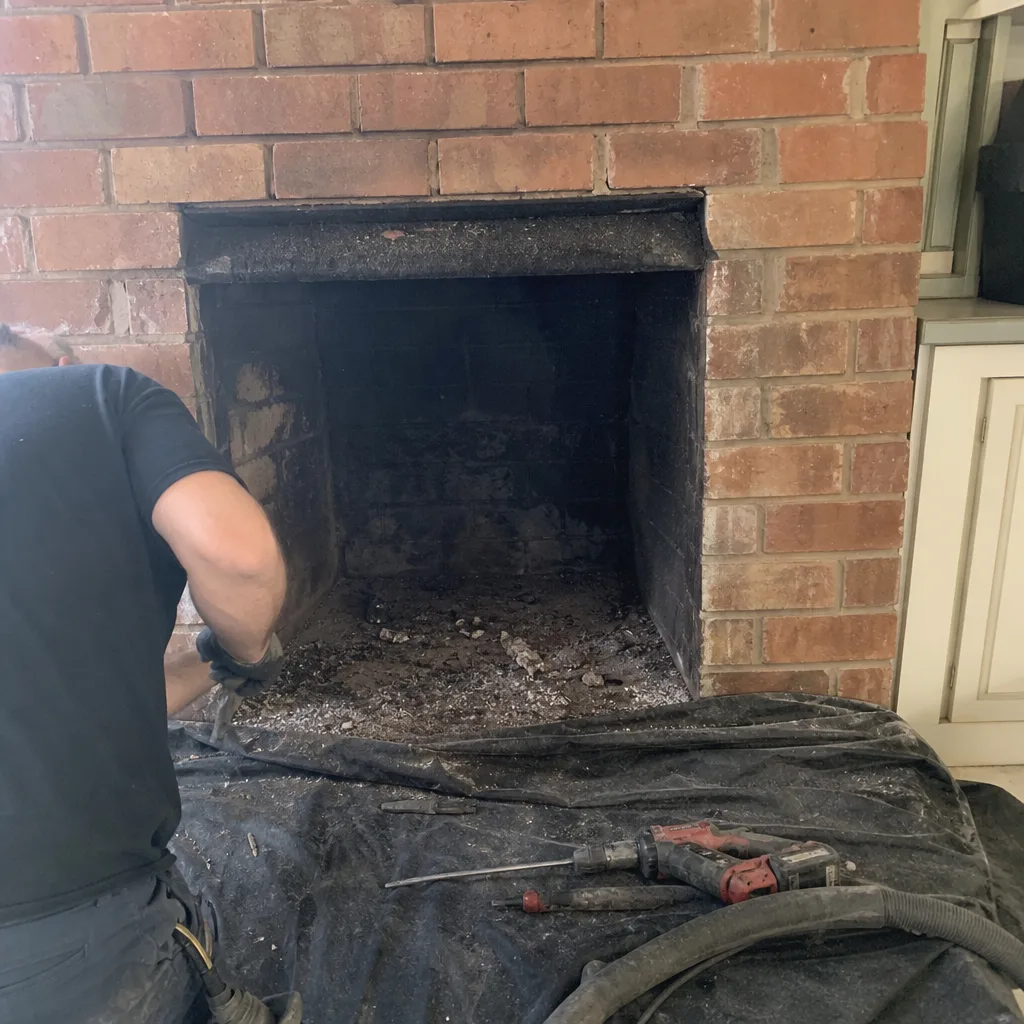 Before
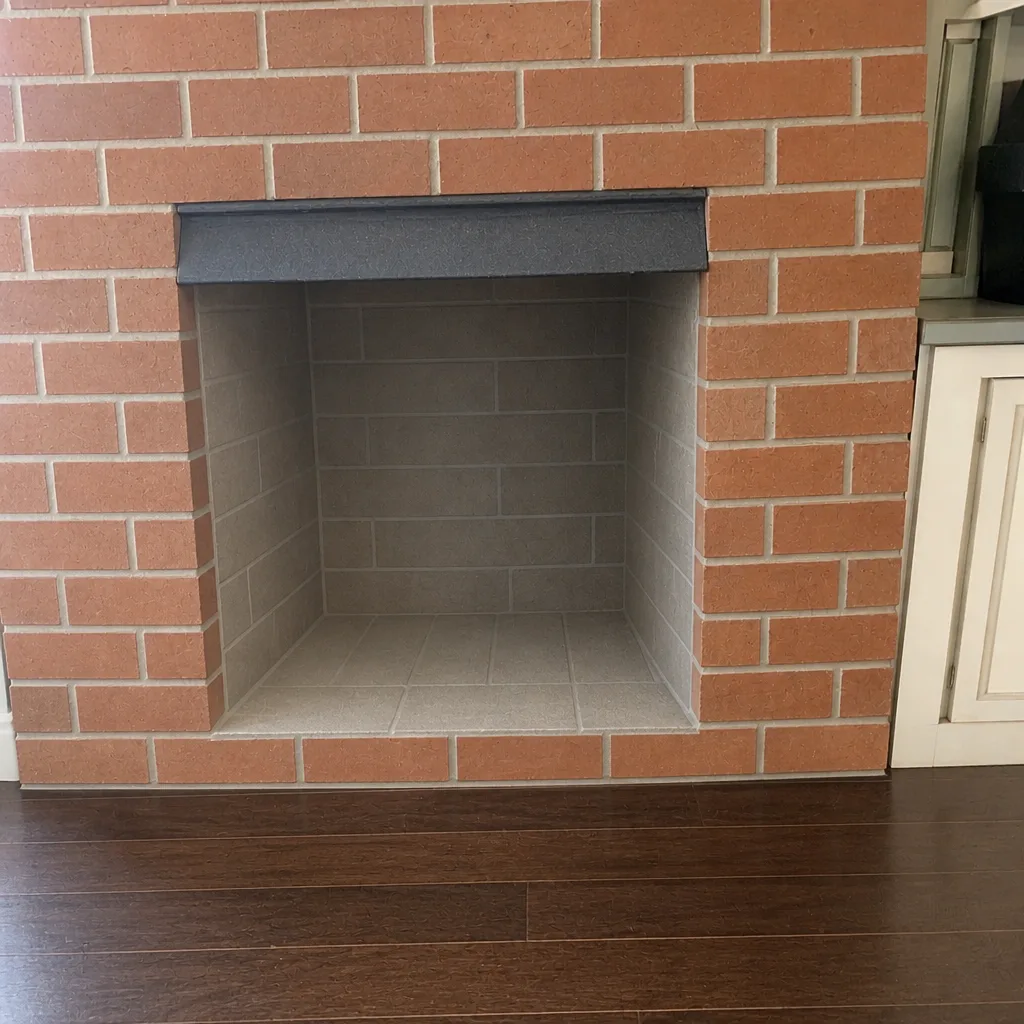 After
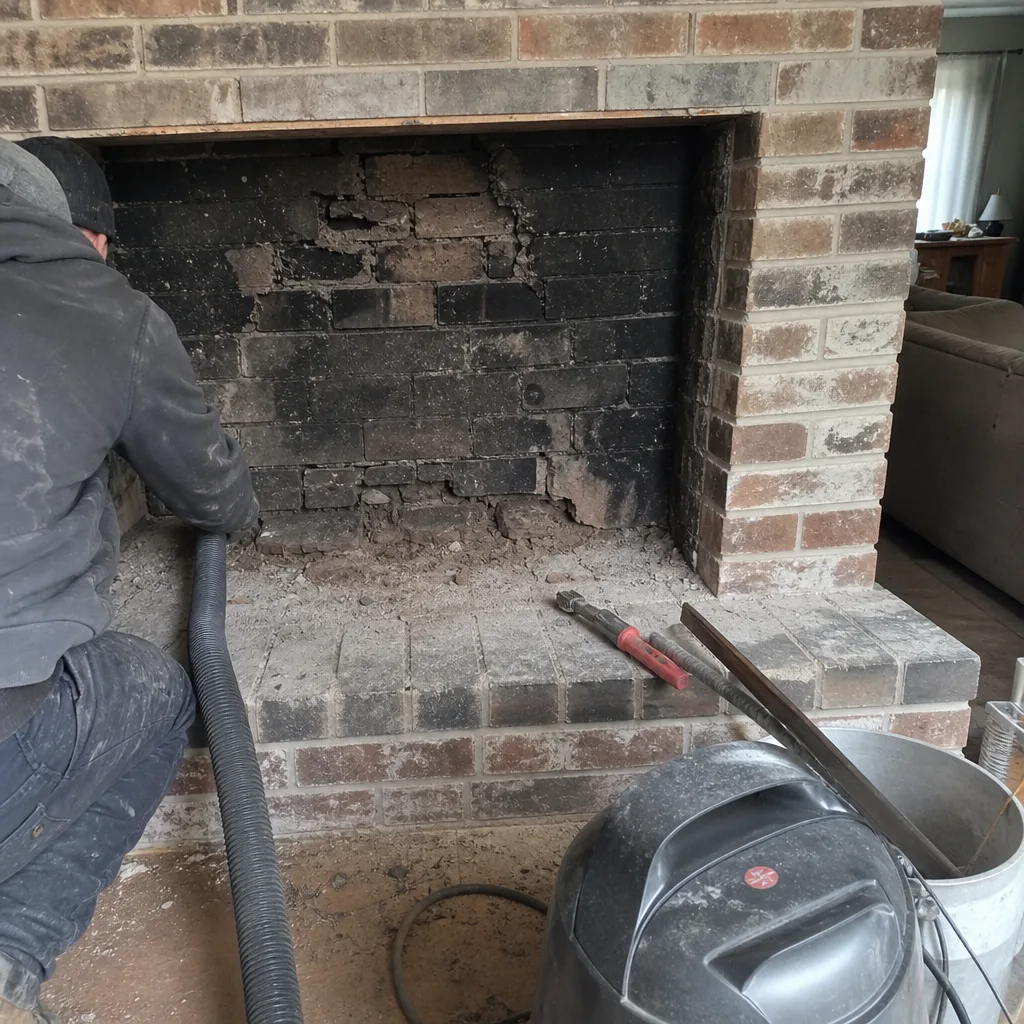 Before
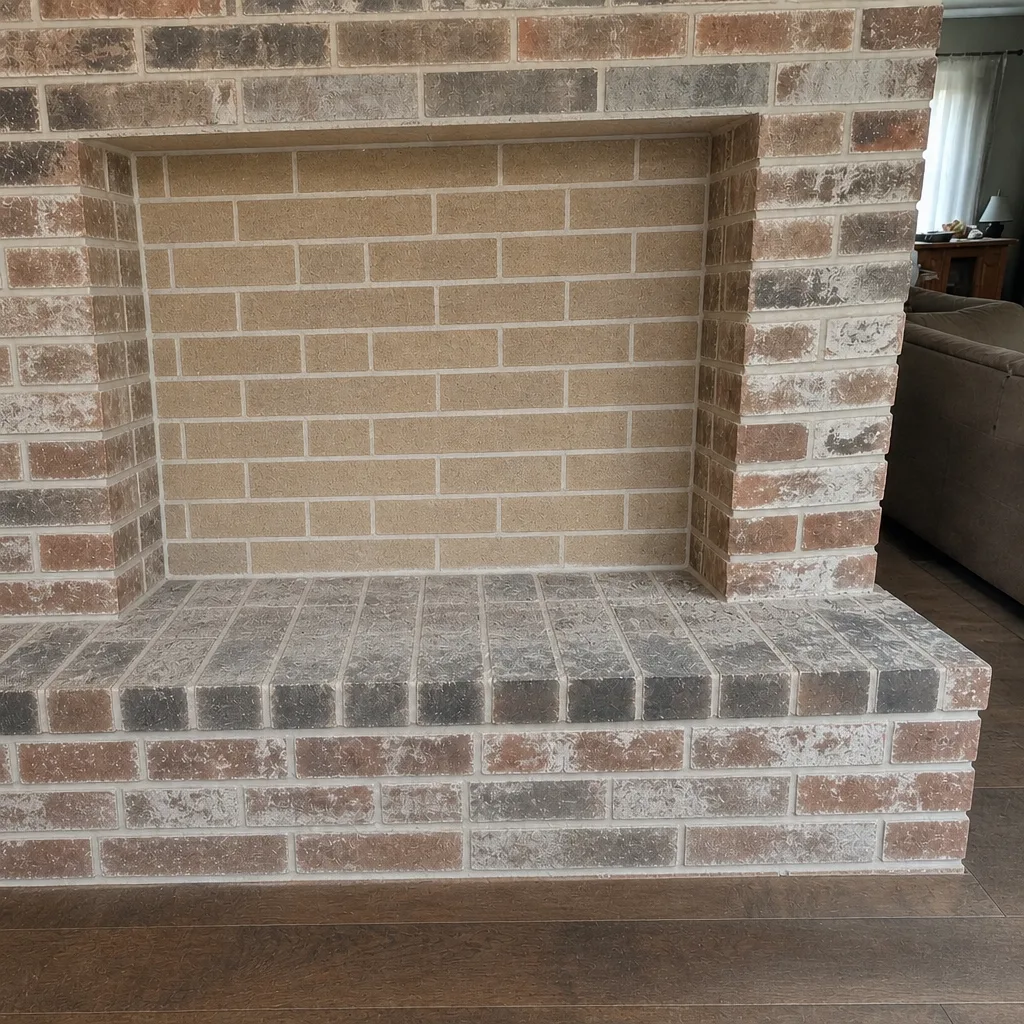 After
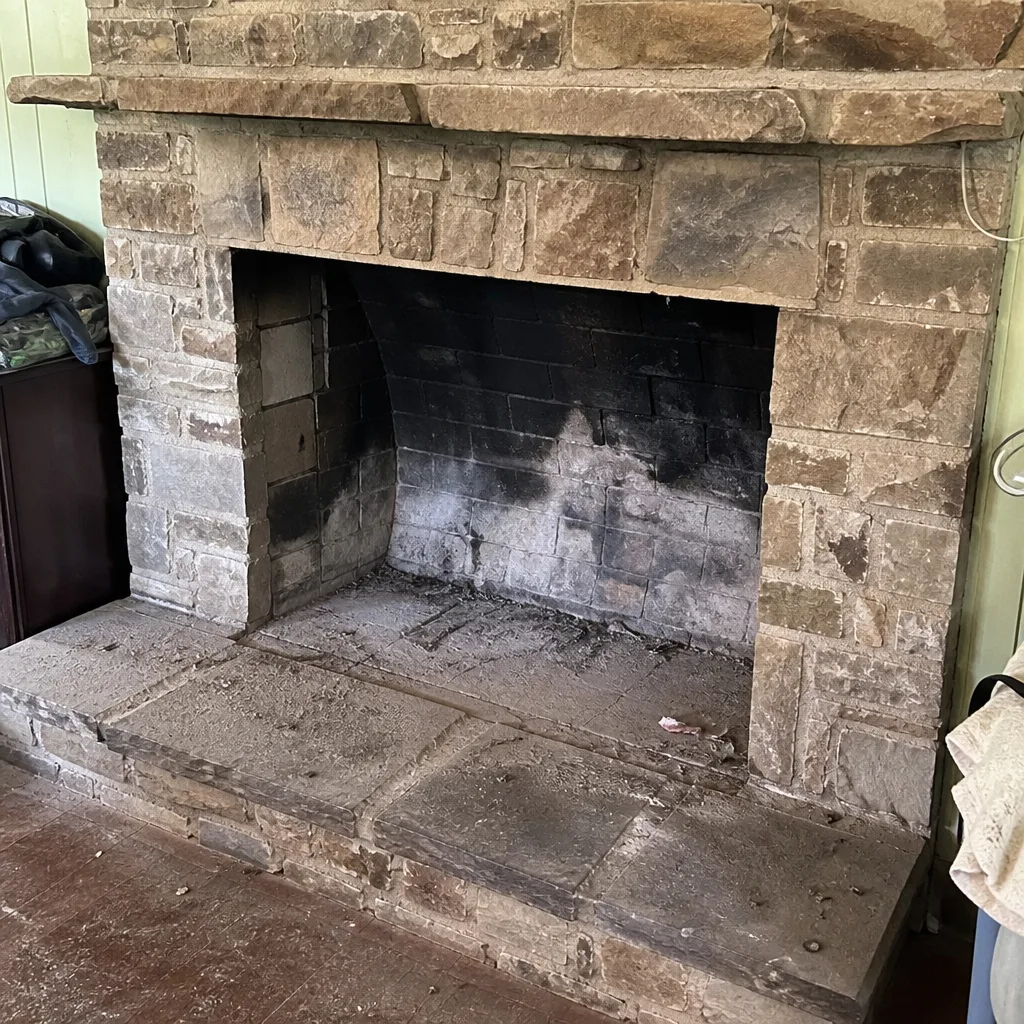 Before
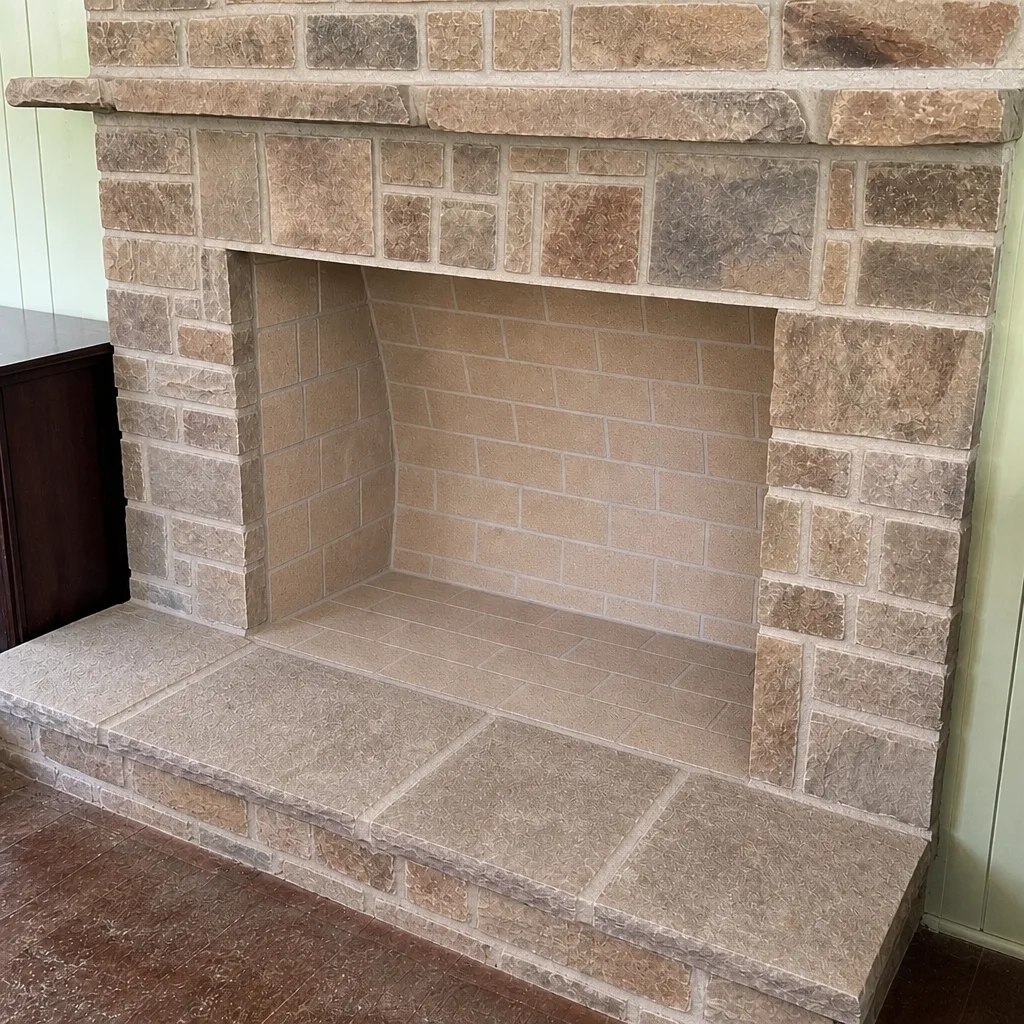 After
When to Call a Professional
Book a professional sweep when you can’t recall the last cleaning, when the fire burns unevenly or smokes back into the room, when you smell creosote in the house, or when you notice staining or crumbling at the top of the chimney. Any crack in the flue interior, a damper that won’t seal, or a cap that’s missing or rusted through is a call-a-professional situation. If you’re buying or selling a home, a certified inspection should be on the schedule before closing. Chimney Sweep Bellevue offers free estimates in Bellevue – call (855) 337-1241. We answer 24/7, with fast dispatch from 7am to 7pm, Sunday through Friday. Call for an exact quote.
Frequently Asked Questions
A typical chimney sweep in Bellevue runs roughly $150 to $250 for a wood-burning masonry flue with a Level 1 inspection included, and $250 to $450 once a Level 2 camera scan and full firebox and smoke chamber cleaning are added. Gas and prefab systems usually price lower on the cleaning side. Call (855) 337-1241 for an exact quote – estimates are free.
You need one whenever the chimney has changed, is part of a home sale, or hasn’t been inspected in years. A Level 1 visual inspection can’t see inside the flue, and a cracked flue tile or a heavy creosote pocket halfway up is invisible from the firebox. It typically adds $75 to $150. Call (855) 337-1241 for an estimate.
Then you pay only for the cleaning, and we tell you so. We don’t recommend work the camera doesn’t support, and we say plainly when a repair can safely wait a season. Crown and cap issues usually can’t be deferred, but plenty of other findings can. Call (855) 337-1241 to book.
Once a year for a regularly used wood-burning fireplace, and more often if you burn heavily. NFPA 211, the national standard most professionals reference, calls for an annual inspection so the system is checked top to bottom each season. Call (855) 337-1241 to get on the schedule.
Because a quote can look low simply by leaving out scope: the camera scan, the firebox, the smoke chamber, or the full-height flue clean. Ask what’s included before comparing numbers. A written, itemized estimate makes the comparison honest. Call (855) 337-1241 for one.
Creosote accumulates, moisture damage spreads at the crown and cap, and the risk of a chimney fire or carbon monoxide exposure grows. Skipping one or two years usually costs more in repair bills than staying current would have cost in cleanings. Call (855) 337-1241 for a free estimate.
The Bottom Line
Chimney cleaning cost in Bellevue is a scope story, not a price story. The base sweep is the starting point; the inspection level, camera scan, firebox and smoke chamber work, and any repair the sweep surfaces are what actually drive total cost. Expect roughly $150 to $250 for a basic masonry sweep and $250 to $450 for full-scope cleaning. Treat annual cleaning as cost avoidance, book before burn season starts, and always ask what’s included in writing. One call covers sweep, inspection, cap and crown, and liner work, so you’re not coordinating three contractors. Call (855) 337-1241 for a free estimate. We answer 24/7, with fast dispatch from 7am to 7pm, Sunday through Friday.
Written by the team at Chimney Sweep Bellevue.