
Last updated November 25, 2026
 Sweep & inspection
 Caps & crowns
 Flue relining
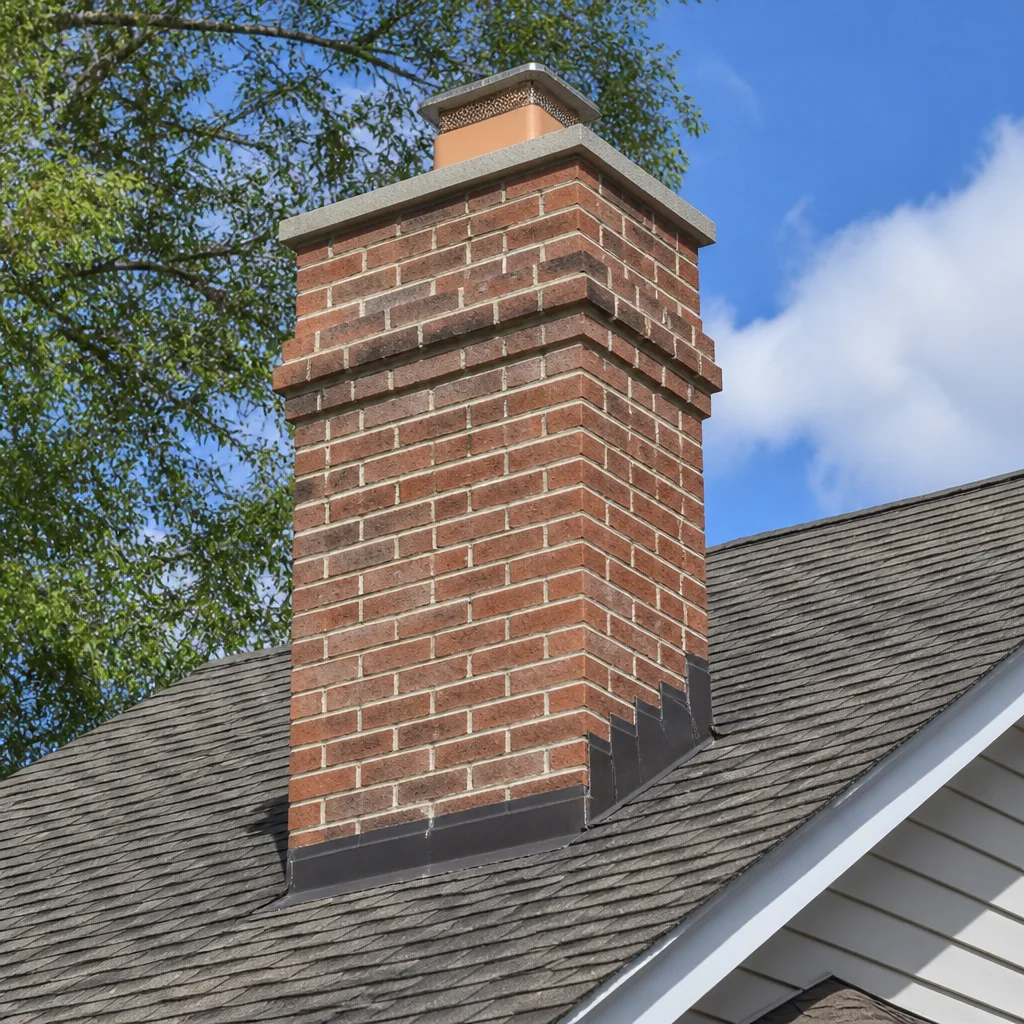 Masonry repair
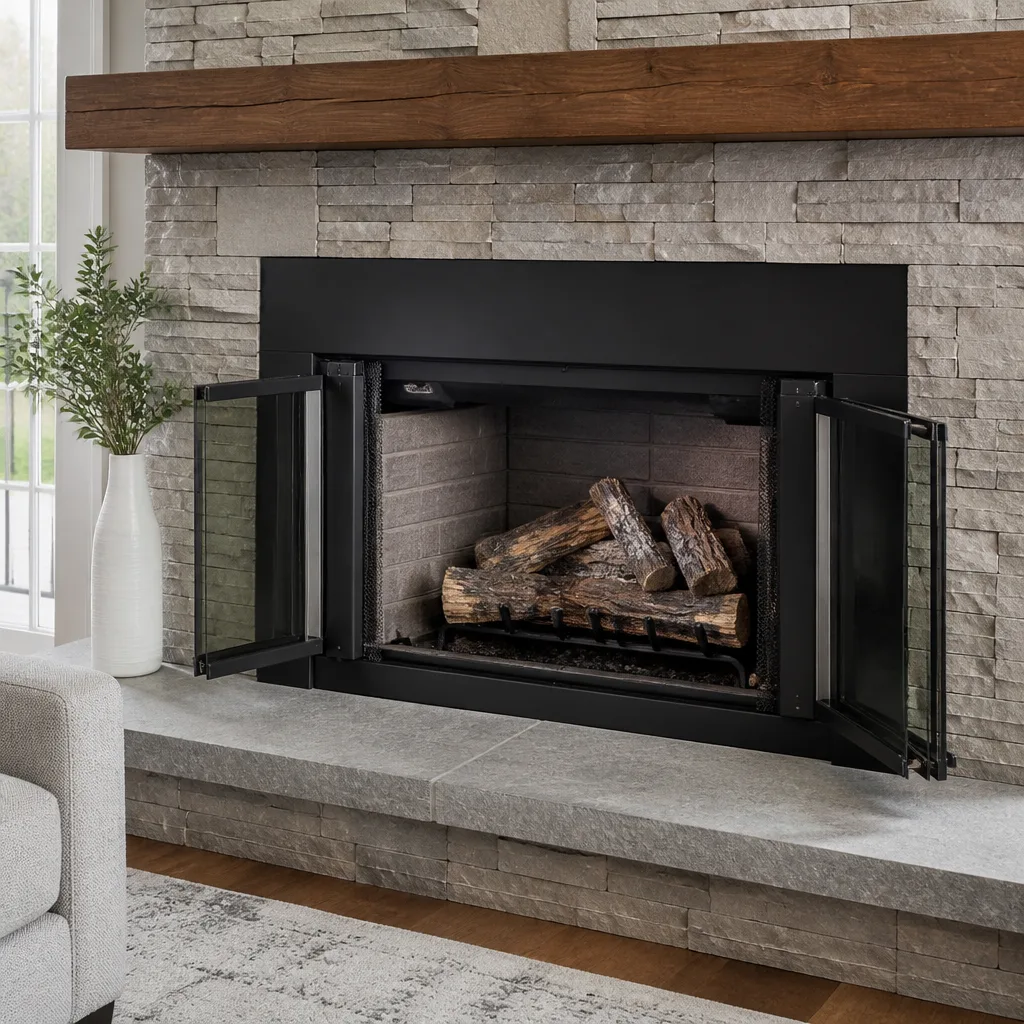 Gas fireplace service
Level 1 sweep and inspection to the NFPA 211 annual standard - flue, crown, cap, and flashing checked and photographed
Chimney sweep logs do not sweep chimneys. They loosen some creosote - which then falls where a brush and vacuum still have to collect it.
Chimney Cleaning Permits, Codes & Inspections in Bellevue, TN: What You Need to Know
Homeowners are sometimes surprised to learn that having their chimney professionally cleaned is not what triggers a permit. Relining a flue, replacing a firebox, or altering the chase absolutely does under Tennessee and Metro Nashville code. That gap between maintenance and construction is where most of the confusion lives, and it’s where closings stall and insurance claims get denied. In this guide we walk through exactly where the permit line sits for Bellevue homeowners, which standards apply when a contractor cites code, and why the paperwork you keep after a sweep matters more than most people realize. You’ll learn which services need a Davidson County building permit, how NFPA 211 interacts with local fire code, and how to protect yourself during a home sale or an insurance claim.
Quick Answer
A routine chimney cleaning in Bellevue, TN does not require a building permit, but structural work that follows a sweep often does. Relining a flue, replacing a firebox, altering the chimney chase, or rebuilding a crown or chase top generally requires a permit through Metro Nashville’s codes department, which administers building permits across Davidson County. Which standard applies depends on what you’re doing: NFPA 211 governs chimney construction and inspection across the country, while local fire code governs clearances and safe operation. Both apply, and a qualified contractor should be able to tell you which one is driving a given recommendation.
Styles & brands we work with
- Sweep & inspection
- Caps & crowns
- Flue relining
- Masonry repair
- Gas fireplace service
Table of Contents
- Which Chimney Services Need a Permit in Bellevue, TN?
- NFPA 211 and Local Fire Code: Which Standard Wins?
- The Level 2 Inspection and Real Estate Transactions
- How Unpermitted Chimney Work Can Sink a Sale or a Claim
- Sweep Report vs. Official Inspection Record
- When to Call a Professional
- Common Mistakes to Avoid
- Frequently Asked Questions
Which Chimney Services Need a Permit in Bellevue, TN?
Here’s the short version: cleaning is maintenance and is exempt; anything that changes the structure, the flue itself, or the firebox is construction and generally requires a permit through Metro Nashville. Because Bellevue is a community within Davidson County, residential building permits for this kind of work run through the Metro Nashville codes department rather than a separate Bellevue office. That single fact matters when you’re verifying a contractor’s claims.
The list of services that typically need a permit and the list that typically doesn’t break down like this:
Generally exempt (maintenance only):
- An annual chimney sweep to remove creosote and soot
- A Level 1 visual inspection done alongside the sweep
- Replacing a chimney cap (a factory-made cap that sits on the existing chase top)
- Routine cleaning of a gas fireplace flue or a direct-vent appliance
- Minor mortar touch-ups that don’t alter the structural chase
Typically requires a permit:
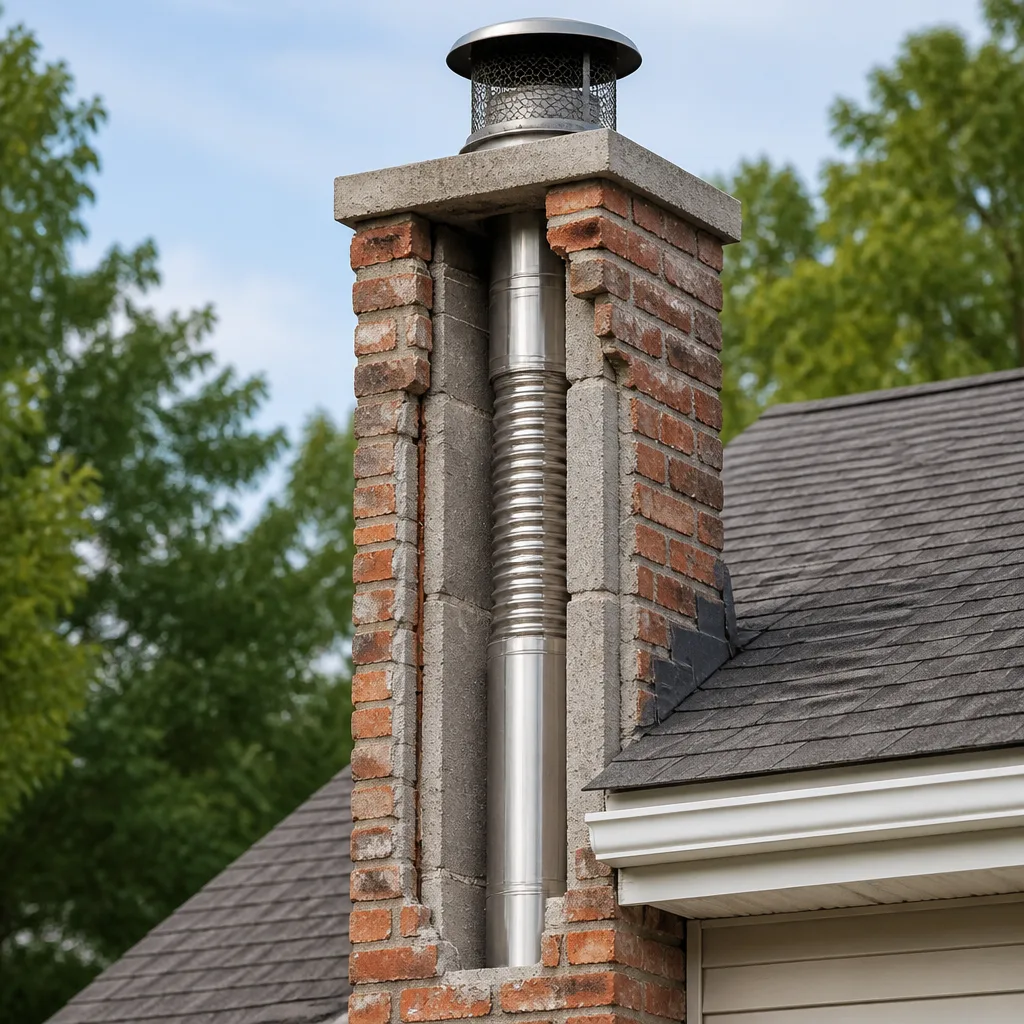
- Relining a flue, including a flexible stainless liner installation
- Altering or rebuilding a firebox
- Changing the chimney chase or chase height
- Rebuilding a crown beyond minor patching, or replacing a crown with a new cast unit
- Anything that changes the flue’s interior dimensions or venting arrangement
We field this question a lot in Bellevue, and the honest answer is that the exact permit trigger depends on how your city’s building department reads the scope. Some repairs land in a gray zone. If you’re unsure, call the department and describe the work; ask them directly whether a permit applies. A reputable contractor will tell you the same thing, and won’t shrug off the question when you ask who is pulling the permit.
For the work that follows a routine chimney sweep, keep in mind that the sweep itself never needs a permit. It’s the discovery of a cracked flue tile or a failing crown that puts you in the permitting conversation.
NFPA 211 and Local Fire Code: Which Standard Wins?
Both standards apply, and neither “wins” in the sense of overriding the other. NFPA 211 regulates chimney construction, inspection levels, and clearances from combustibles; Metro Nashville’s fire code, drawn from the International Fire Code adopted statewide, governs the safe operation of appliances and clearances at the point of installation. When they disagree, the stricter standard applies. A contractor who waves off one and cites the other as absolute is likely not being straight with you.
Here’s how the two standards actually intersect on real work:
- Clearances: NFPA 211 establishes the minimum clearances from a chimney to combustible framing. The fire code enforces those clearances at inspection. If a flue was ever run close to joists or roof decking, that’s a fire-code problem, not just an NFPA one.
- Creosote deposits: Both NFPA 211 and local fire code treat heavy creosote as a fire hazard. NFPA 211 tells a technician what a sweep should accomplish; the fire code tells a fire inspector what constitutes a hazard in a home.
- Liner sizing and venting: NFPA 211 sets the sizing rules for a wood-burning appliance flue. You cannot install a smaller liner than the appliance’s listed venting without violating the standard.
In Bellevue’s older homes, we sometimes find a chimney built to a code cycle that has since been updated. Bellevue has a mix of homes from the mid-20th century alongside newer builds, and some of those older chases predate current clearance requirements. That doesn’t automatically mean the chimney is unsafe; it means it should be evaluated under today’s standard and brought into compliance if a repair is happening anyway. When we recommend a chimney cap & crown repair on an older chimney, the repair itself is the natural moment to check clearances, because you’re already in the chase.
When a contractor tells you a job “meets code,” ask which code. The answer should name NFPA 211, the adopted fire code, or both, with a specific section if pressed. A generic “it’s up to code” is not a compliance statement.
The Level 2 Inspection and Real Estate Transactions
A Level 2 inspection is required by NFPA 211 whenever there’s a change in the use or operation of a chimney, after a building fire or chimney fire, or when an appliance is replaced. For real estate, the practical trigger is that a sale represents a change in ownership of a system whose condition may be unknown, and lenders, insurers, and careful buyers increasingly request a Level 2 before a home changes hands in Tennessee.
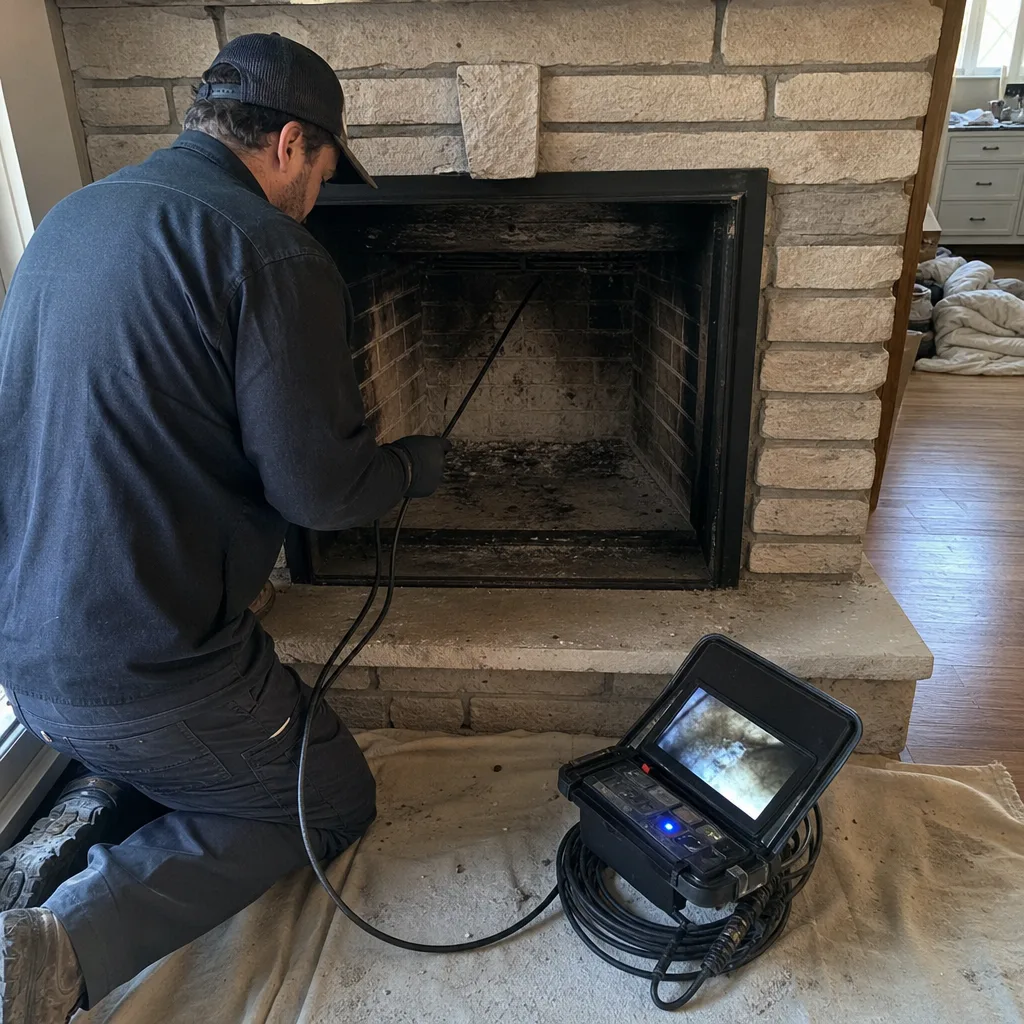
A Level 2 is more than a flashlight look up the flue. It’s a top-to-bottom inspection of the accessible portions of the chimney, including the interior of the flue, done with tools that let the inspector see conditions a visual scan can’t reach. That usually means:
- A camera or specialized tool inspection of the flue interior, checking for cracked tiles, gaps, and improper liner conditions.
- Access to all flue connections, including any appliance vents tied into the chimney.
- A look at the chimney top, crown, and cap to assess water intrusion and structural condition.
- Clearance checks at the roof line, attic, and any point the chimney passes near combustibles.
- A written report that documents what was found and what it means.
In Bellevue’s real estate market, the practical question buyers and sellers ask is “who requested what.” If a buyer’s inspector flags the chimney, a Level 2 is the reasonable next step to distinguish cosmetic wear from a real defect. We work with buyers and sellers on both sides of that conversation, and we write the report so a lender, an insurer, or the other party’s contractor can read it without translation. A Level 2 is also the right inspection before a major repair, because it tells you whether you’re relining a flue or replacing a crown.
How Unpermitted Chimney Work Can Sink a Sale or a Claim
Unpermitted chimney work doesn’t usually announce itself. It surfaces at the worst possible moment: during the buyer’s inspection, during the appraisal, or during an insurance claim after a chimney fire or water loss. Most homeowners have never thought to ask their previous contractor for a permit record, and many find out about a past permit problem only when a title search or inspection touches it.
Here’s how unpermitted work tends to cause trouble:
During a home sale: A buyer’s inspector or the buyer’s chimney inspector finds evidence of relining or firebox replacement done without a permit. That can push the closing, trigger a buyer’s request for a price reduction, or require the seller to pull a permit retroactively. In the worst case, a buyer walks. Bellevue buyers and sellers who have their chimney inspected and their permit status confirmed before listing avoid that surprise.
During an insurance claim: If a chimney fire or water loss is traced to work that was not permitted or not done to code, an insurer can challenge coverage. The policy language varies, but a claim can be denied outright when a loss is attributed to a non-compliant installation, and the investigation into permit history is exactly the kind of thing that extends a claim timeline.
On resale value: A permitted job comes with a record through the codes department. An unpermitted one leaves a gap. In a tight Bellevue market, a clean permit history is a small but real part of the property’s value.
The fix is procedural. Before any chimney repair, ask who is pulling the permit and get the answer in writing. Ask whether the contractor is the one pulling it or whether you are expected to pull it yourself. A repair done to code but without the permit still carries most of the resale and claim risk, because the record is what buyers and insurers look for.
When a repair is recommended, this is also where our Chimney Sweep Bellevue team can help you think through the scope before you commit. We inspect the full system, not just the firebox, so the recommendation you get names exactly what the work involves and whether a permit applies.
Sweep Report vs. Official Inspection Record
These are two different documents, and only one carries real legal weight. A sweep report is a service record: it says the chimney was cleaned on a given date and describes what was found during the process. An official inspection record, typically a written Level 2 inspection report, is a professional evaluation of the chimney’s condition against a recognized standard. Both have value, but only the inspection report is the document an insurer, a lender, or a real estate attorney is going to ask for.
The distinction matters most in three places:
- An insurance claim. A sweep report shows the chimney was maintained. An inspection report shows condition. When a loss is being investigated, the second is what’s referenced against the policy’s condition requirements.
- A real estate transaction. A buyer’s inspector will typically want an inspection report, not a sweep receipt. A sweep receipt can help show maintenance history, but it won’t substitute for the report.
- A dispute over a repair. If a repair recommendation is challenged later, the inspection report is the record that shows what condition existed before the work. A sweep report usually won’t.
In our experience across Bellevue, the sweep report gets filed and forgotten, and the inspection report gets requested years later when it matters. That’s why we recommend keeping both, and getting an inspection report any time you’re in a transaction, insuring the home for the first time, or considering a repair you can’t easily verify from the ground.
If your chimney has been swept but never inspected, that’s the gap to close. A sweep removes creosote; an inspection tells you whether the flue will safely contain what the fire produces. Those are related jobs, not the same job. The same distinction applies to fireplace repair, where the report explains the repair scope and the sweep receipt may or may not.
What Actually Happens During a Sweep in Bellevue
The sweep itself is straightforward, and the reason people ask about permits around it is that a sweep is where the discovery happens. Here’s what a proper visit actually involves in a Bellevue home, so you know what to expect and what to verify afterward.
- We start with the appliance and firebox, checking for visible damage, debris, and the condition of the firebox walls before any brushing begins.
- We set up containment around the firebox and any access points so soot and creosote stay out of the room. This is standard practice and shouldn’t be skipped.
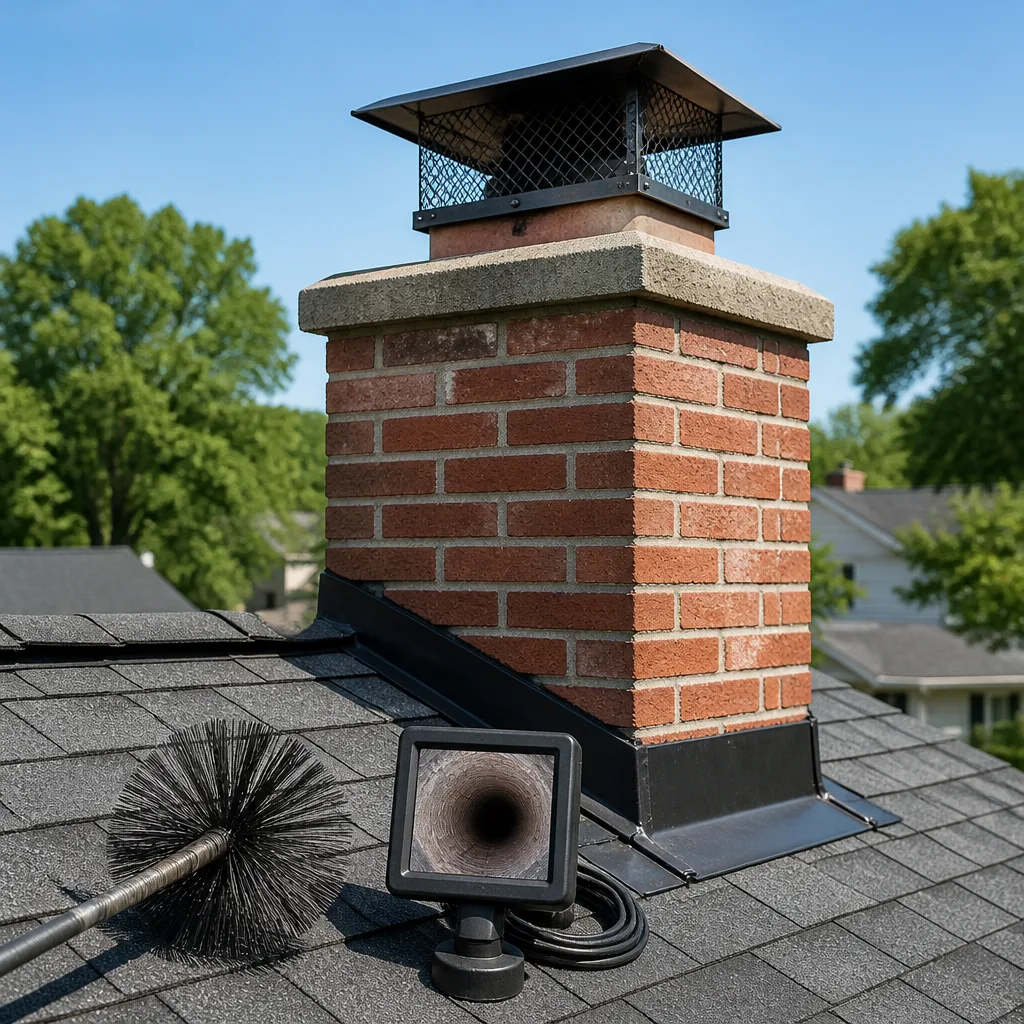
- We sweep the flue with the appropriate brush for the flue’s material, working from the top down or bottom up depending on the access.
- We check the smoke chamber and damper area, where creosote collects and where a sweep can miss buildup if the chamber isn’t properly shaped.
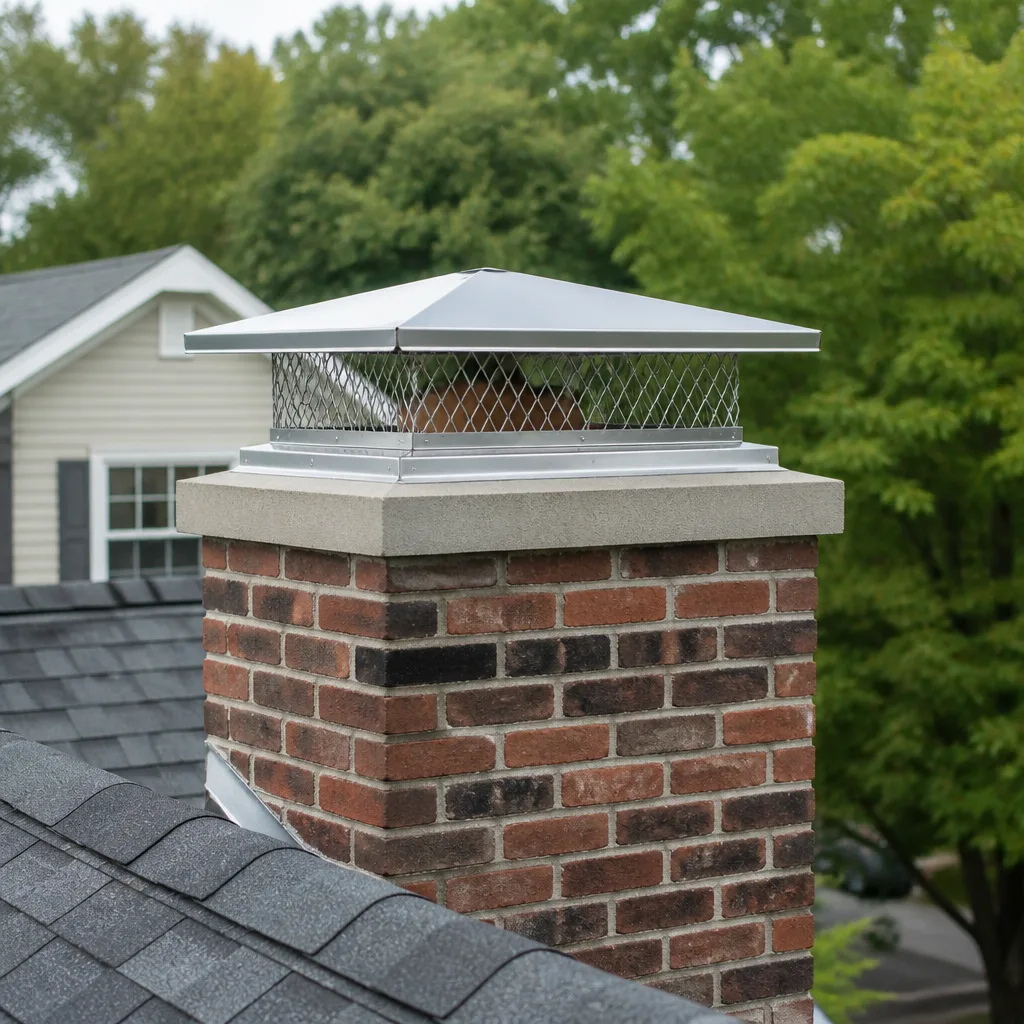
- We inspect the chimney cap and crown, since a failing cap or crown is the entry point for water damage, the leading cause of long-term chimney deterioration.
- We document what we found and explain it in plain terms, including whether a repair is recommended and whether a permit would apply.
Bellevue’s housing stock means some of these steps take longer than others. Homes with masonry chimneys that have been through many heating seasons often have more creosote buildup in the smoke chamber than a homeowner expects, and Bellevue’s damp climate means a cap that failed a few winters ago may have already let water into the crown. None of that gets resolved by brushing alone. A sweep is a maintenance visit; the follow-up is where the real work begins.
We don’t recommend work based on a guess. Every repair recommendation we make is backed by evidence, including photos, so you can see the condition for yourself and decide what to do next. If a repair can safely wait until after the heating season, we say so.
What the NFPA 211 Inspection Levels Actually Mean
NFPA 211 defines three inspection levels, and knowing which one you’re getting matters because they carry different scopes and different legal weight. A contractor who says “we’ll inspect it” without naming the level is giving you an incomplete answer.
Level 1: A visual inspection of the readily accessible portions of the chimney, typically done as part of an annual sweep. It’s the basic check and it’s appropriate when the chimney is unchanged and in known condition.
Level 2: A more thorough inspection that includes the accessible interior of the flue, typically using a camera or specialized tool. It’s required when the chimney’s use changes, after a fire or chimney fire, after an appliance replacement, or when a sale or insurance event makes the condition uncertain. This is the level real estate transactions and insurers tend to ask for.
Level 3: The most invasive level, and it’s only performed when a Level 1 or Level 2 inspection identifies a hazard that can’t be evaluated without opening concealed spaces. A Level 3 might involve removing part of a wall or chase to reach a condition. It’s rare, and it’s the right answer when the condition isn’t otherwise accessible.
The confusion often comes from a contractor calling a visual pass a “Level 2 inspection” when no camera was ever used. In a Bellevue home with an older masonry chimney, the flue interior is exactly where the important diagnosis happens, and a visual-only inspection doesn’t show it. If you’re being offered a Level 2, ask how the flue interior will be evaluated. The answer should involve more than a flashlight.
What Happens When a Permit Is Required: A Step-by-Step
When a chimney repair crosses the permit line, the process is not as complicated as it sounds, but it does run in a specific order. Here’s how it typically goes for a Bellevue homeowner, so you know what to expect before work begins.
- 1
Get the scope in writing. The written estimate should name the work being done, the materials involved, and whether a permit is required. Vague descriptions like “repair chimney” don’t help anyone.
- 2
Confirm who pulls the permit. In most residential work, the contractor pulls the permit. Confirm this before signing, and confirm it applies to the licensed local professional doing the work.
- 3
Have the inspection done before the repair. A Level 2 inspection before the work establishes the condition so the scope is accurate. Skipping this step is where scope creep and pricing surprises come from.
- 4
Let the permit be issued. Metro Nashville’s codes department issues the permit; the timeline is theirs, not the contractor’s, so plan accordingly.
- 5
Do the work and get the inspection. Depending on the scope, a municipal inspection may be required before the work is closed out. Get documentation of any inspection completed.
- 6
Keep the records. Closeout documents, inspection reports, and the contractor’s written scope belong with your home records. They’re what your buyer’s inspector or your insurer will ask for later.
None of that is a reason to avoid the permit. The record is the point. A permitted repair protects your sale, your claim, and the person who inherits the chimney after you. For the majority of Bellevue chimney repairs we handle, the work is done to this process, and the homeowner ends up with paperwork they didn’t have before.
See the difference
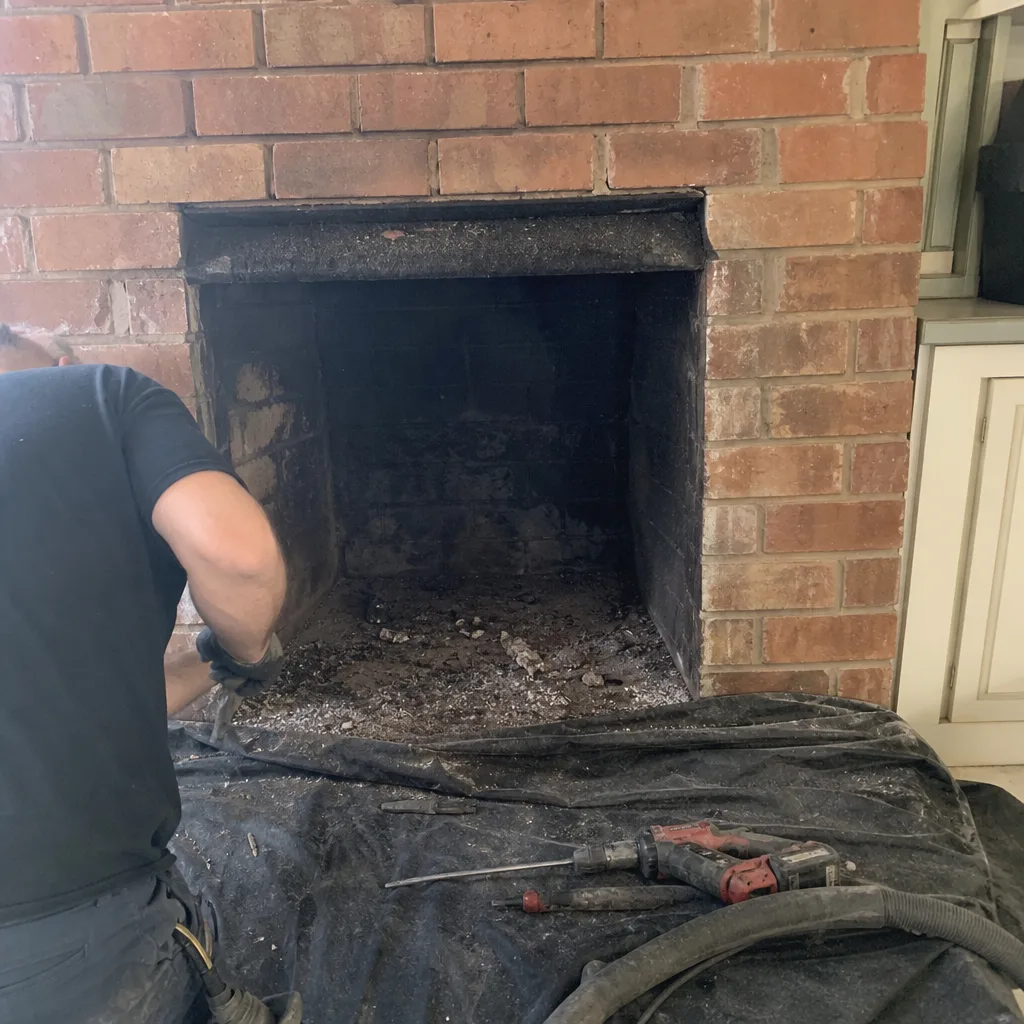 Before
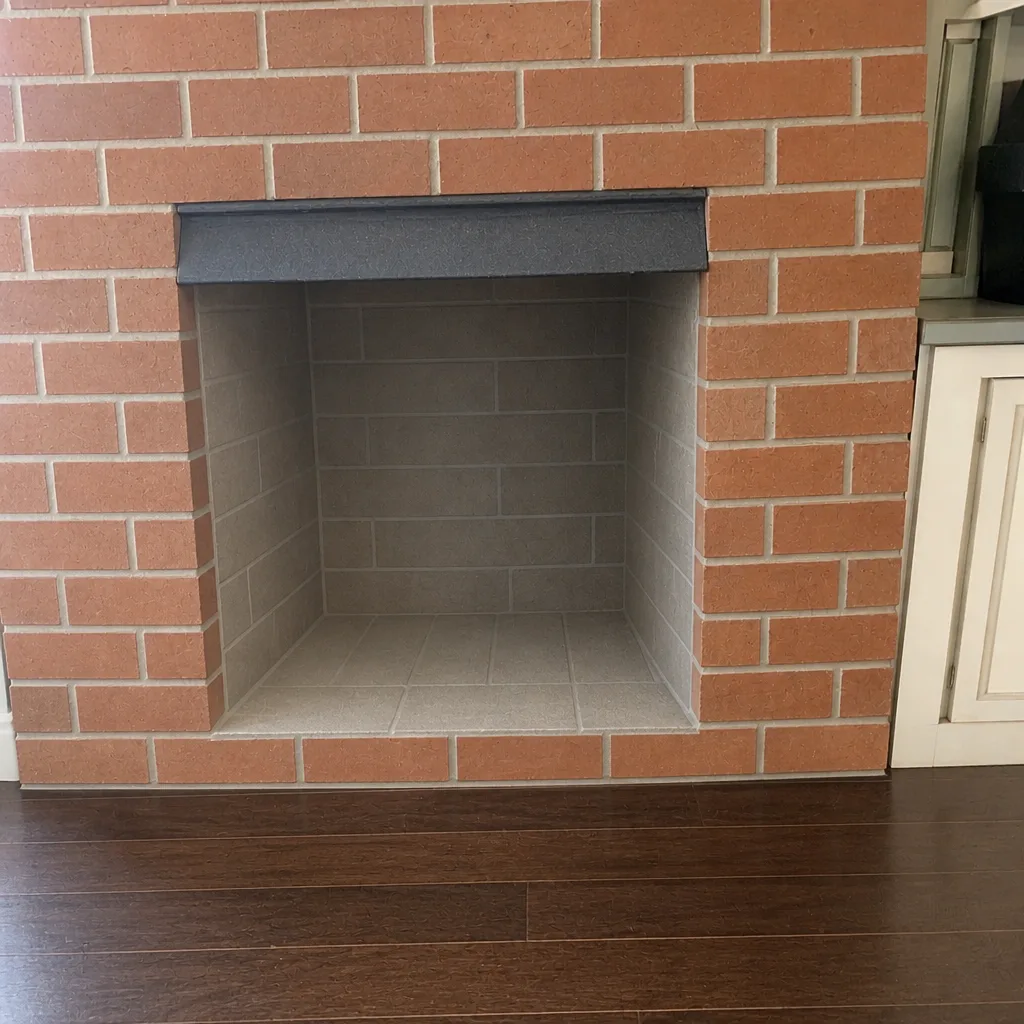 After
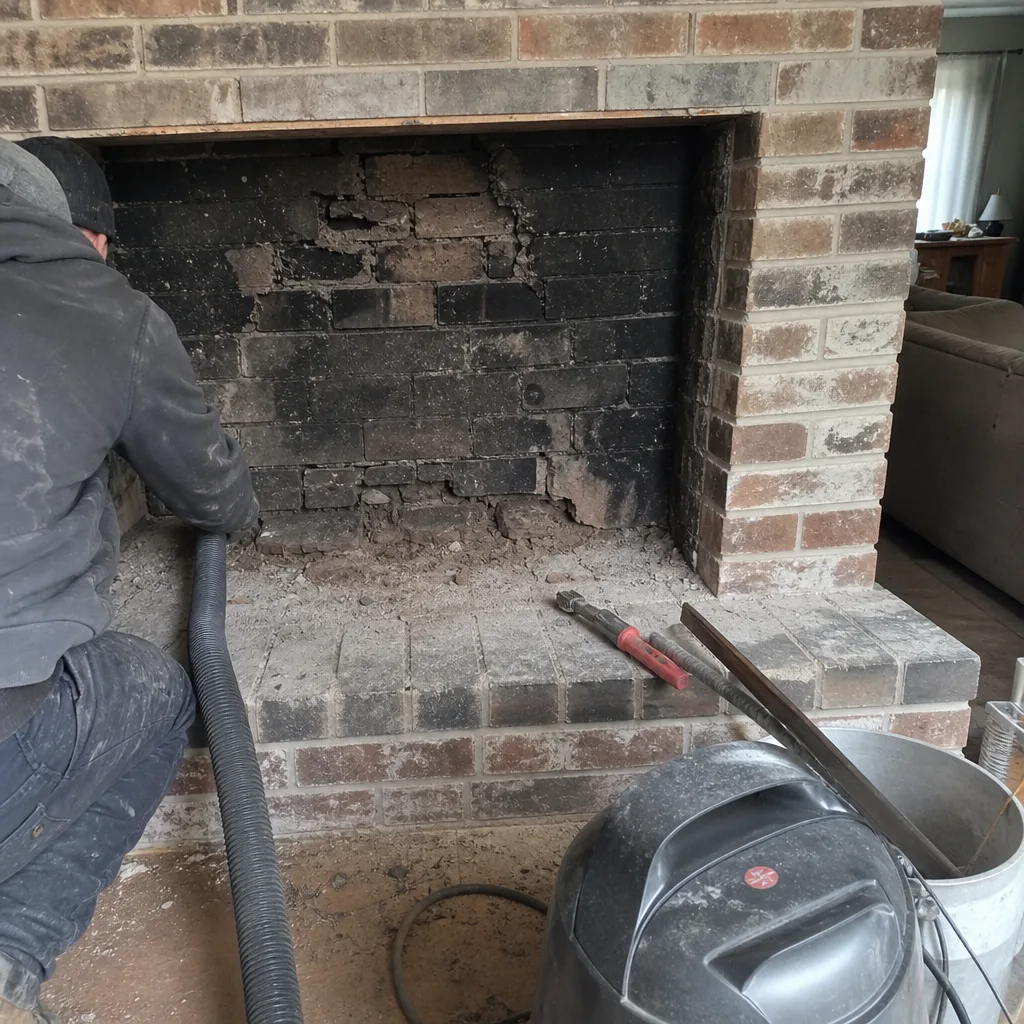 Before
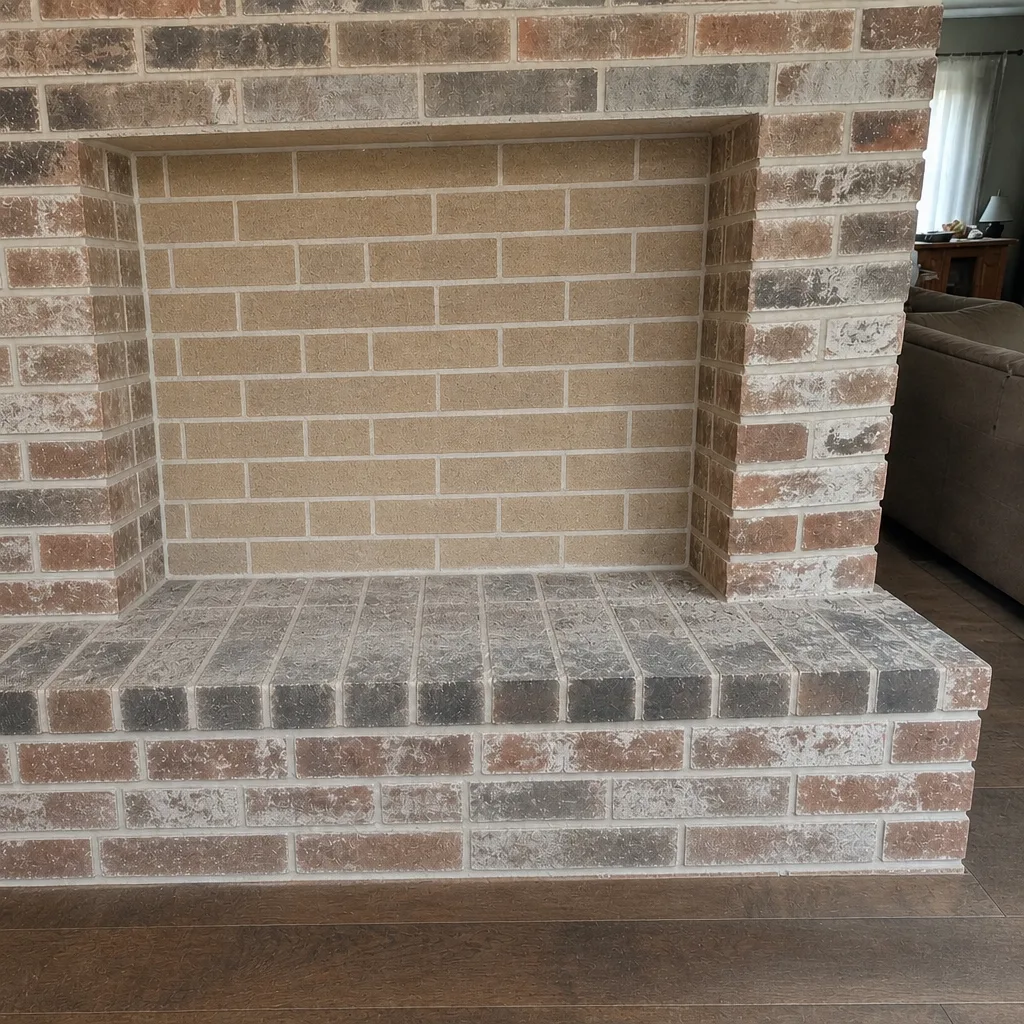 After
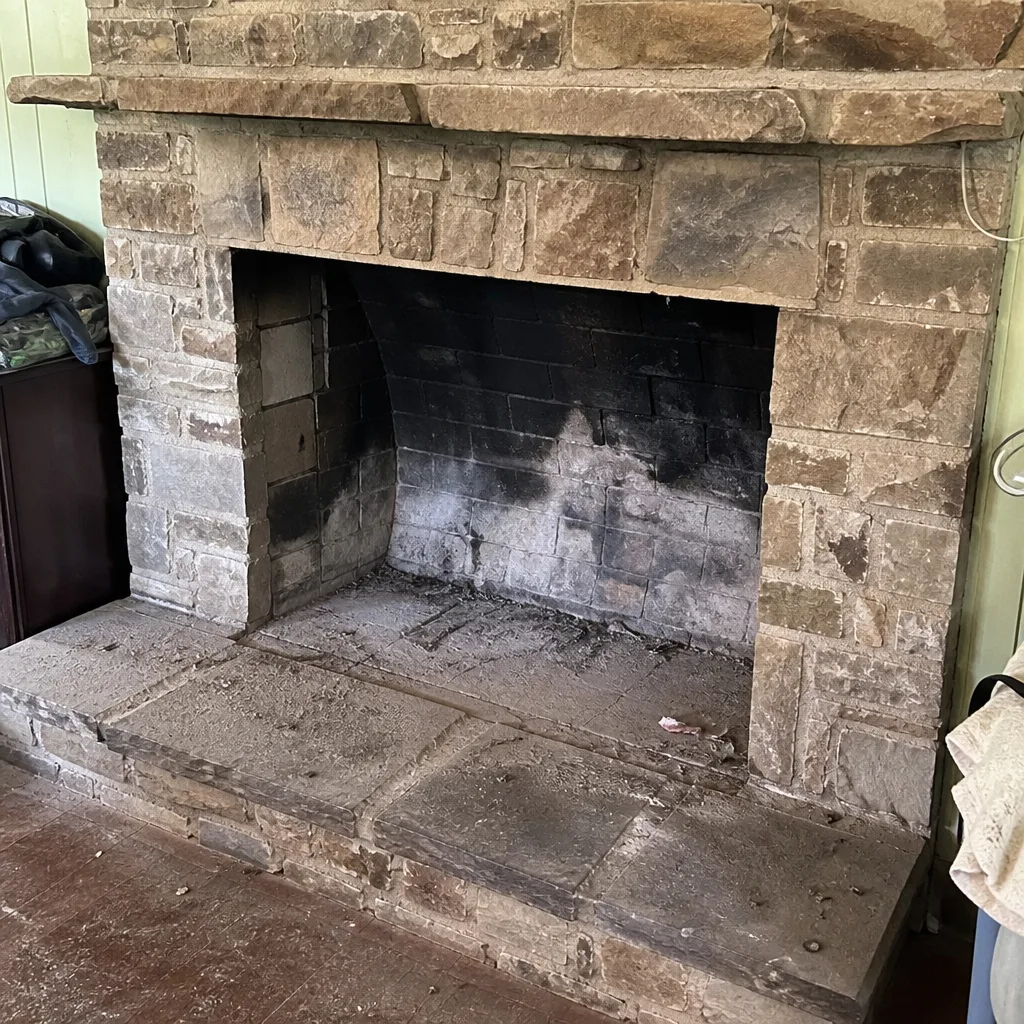 Before
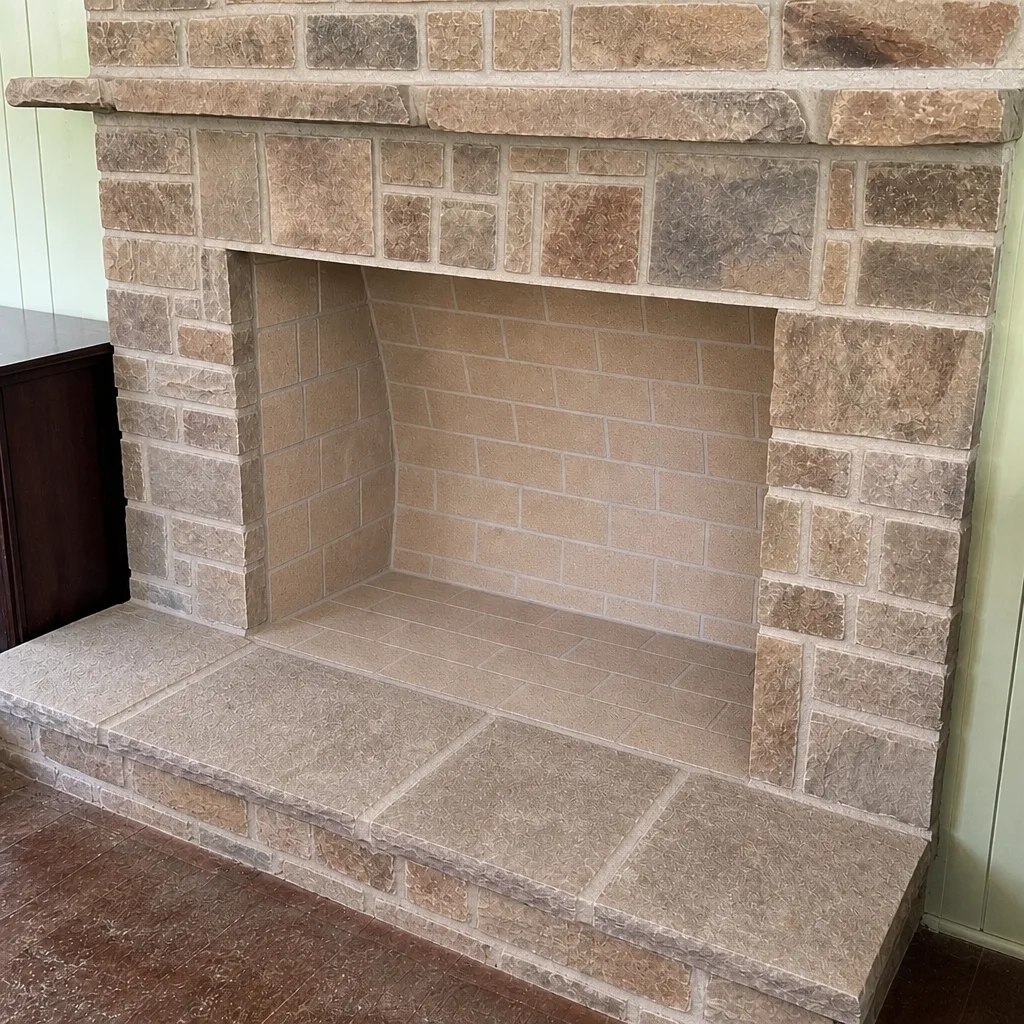 After
When to Call a Professional
Call a professional when the condition of the chimney is unknown and you’re about to make a decision that depends on knowing it. That includes buying or selling a Bellevue home, filing or defending an insurance claim that involves the chimney, considering a repair you can’t verify, or moving into a home with a chimney that’s never been inspected. Also call if you’ve replaced a wood-burning appliance, if the chimney hasn’t been swept in a year and you burn regularly, or if you notice a stain on the ceiling or roof decking near the chimney. Those are the moments where the difference between a sweep and an inspection matters most.
Chimney Sweep Bellevue offers free estimates in Bellevue. Call (855) 337-1241. We answer 24/7. Fast dispatch from 7am to 7pm, Sunday through Friday. A call outside dispatch hours is booked into the next opening, Sunday through Friday, 7am to 7pm.
Common Mistakes to Avoid
- Assuming the sweep is the inspection. They’re different services done to different standards, and only one gives you the inspection report a lender or insurer will ask for. If a contractor uses the words interchangeably, ask which NFPA 211 level applies.
- Not asking who pulls the permit. If no one is pulling it, the job is unpermitted by default. Get the answer in writing, and confirm it applies to structural work like relining or a firebox replacement, not just routine maintenance.
- Doing a chimney sweep right before listing a home. In a Bellevue sale, a sweep alone is rarely enough if the buyer’s inspector asks for a Level 2. Order the Level 2 first so the report is available when the buyer’s agent asks.
- Paying for a repair based on a verbal recommendation. Ask for the condition in photos you can see, and ask whether the repair can safely wait. Nothing should be recommended that can’t be shown.
- Assuming a permitted job is always the same cost as an unpermitted one. The permit process and any municipal inspection are part of the scope and are priced in the written estimate. Get the estimate before the work, not after.
- Assuming a liner is needed because the chimney is old. Age alone is not the diagnosis. Relining a flue is sometimes necessary and sometimes not, and the honest answer comes from the flue interior, not from the home’s construction date.
- Forgetting to keep the inspection report. The report is your documentation for a future sale, claim, or repair dispute. File it with the home records; don’t leave it in a drawer at the old house.
Frequently Asked Questions
No, a routine chimney cleaning does not require a permit. Cleaning is maintenance, not construction, and is generally exempt. What requires a permit is the work that a cleaning may uncover, such as relining a flue or replacing a firebox, which falls under Metro Nashville’s permitting process for Davidson County. Call (855) 337-1241 for an exact quote; estimates are free.
Relining a flue, replacing a firebox, altering the chimney chase, and structural crown or chase-top replacement generally require a permit. Minor cap replacement, routine mortar touch-ups, and routine cleaning typically do not. The precise trigger depends on scope, so confirm with your city’s building department. Call (855) 337-1241 to talk through a specific repair.
Yes. A Level 2 inspection is generally the inspection that buyers, lenders, and insurers request in a real estate transaction, and it evaluates the flue interior, not just the accessible exterior. Bellevue sellers who order the Level 2 before listing have the report available when the buyer’s inspector asks. Call (855) 337-1241 to schedule one.
Unpermitted work can complicate a home sale, challenge an insurance claim, and require retroactive permitting. The exact effect depends on the scope and the buyer or insurer, but the pattern is consistent: a missing permit record creates a problem at the worst moment. Call (855) 337-1241 if you’re trying to sort out the status of prior chimney work.
No. A sweep report documents that the chimney was cleaned and what was found during the cleaning. An inspection report is a professional evaluation of the chimney’s condition against NFPA 211 standards. The inspection report is the document that carries weight in a sale or a claim. Call (855) 337-1241 if you need an inspection report rather than a sweep receipt.
NFPA 211 recommends an annual inspection, and a sweep at the frequency your firewood and burning habits require. Bellevue homeowners who burn regularly should plan on annual inspection and a sweep when creosote buildup warrants it. The inspection tells you whether the sweep is due. Call (855) 337-1241 for an exact quote; estimates are free.
The Bottom Line
Chimney cleaning is maintenance and doesn’t require a permit in Bellevue. Structural work like relining, firebox replacement, or chase alteration does, under Metro Nashville’s permit process. NFPA 211 and the adopted fire code are both in play, and the stricter standard applies when they differ. During a home sale or insurance claim, a Level 2 inspection is the document that carries weight, not the sweep report. Keep both documents. Verify the permit before work begins, not after. When your chimney’s condition is uncertain and a decision depends on knowing it, call a professional who can show you what they found. Chimney Sweep Bellevue works with DuraFlex, HeatShield, and Olympia Chimney products for liner and crown work, and we’ll tell you plainly whether a repair can safely wait. Call (855) 337-1241 for a free estimate. We answer 24/7. Fast dispatch from 7am to 7pm, Sunday through Friday.
Written by the team at Chimney Sweep Bellevue.