
Last updated November 25, 2026
 Sweep & inspection
 Caps & crowns
 Flue relining
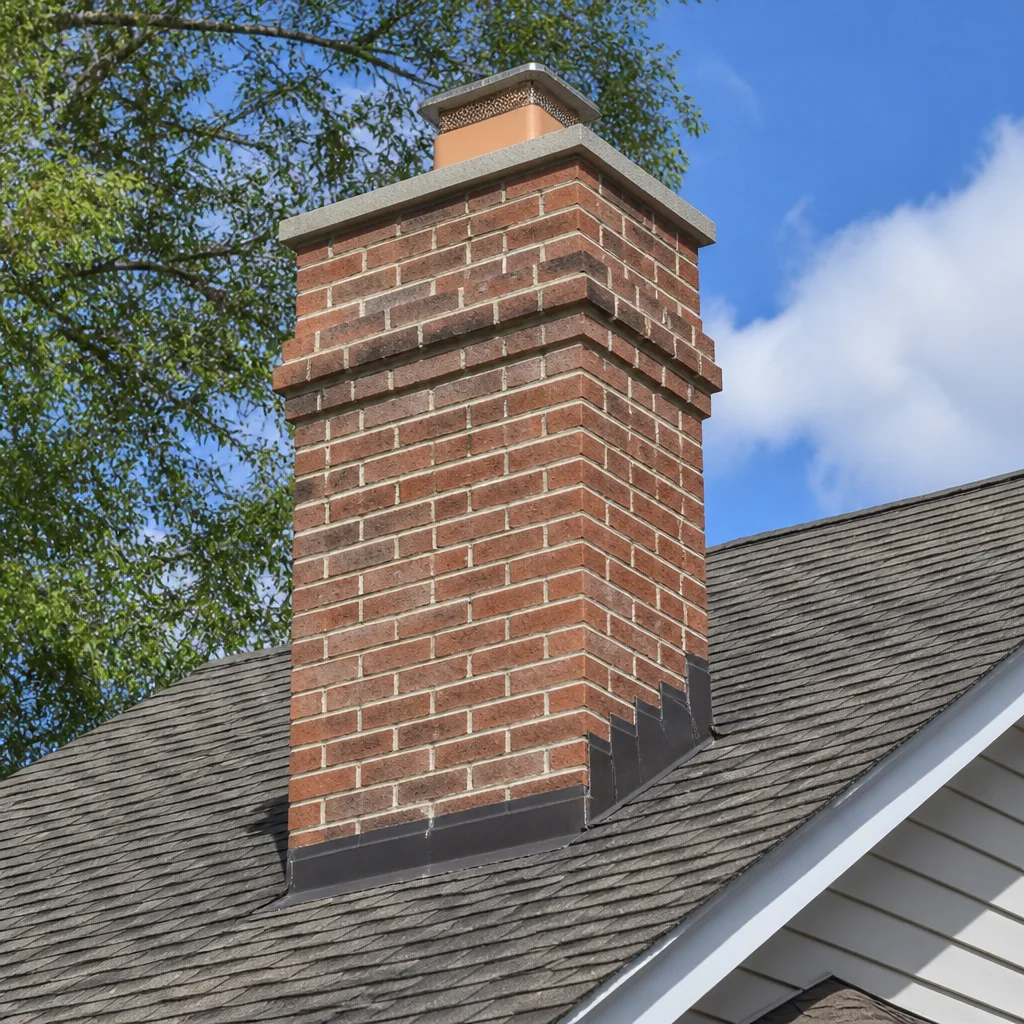 Masonry repair
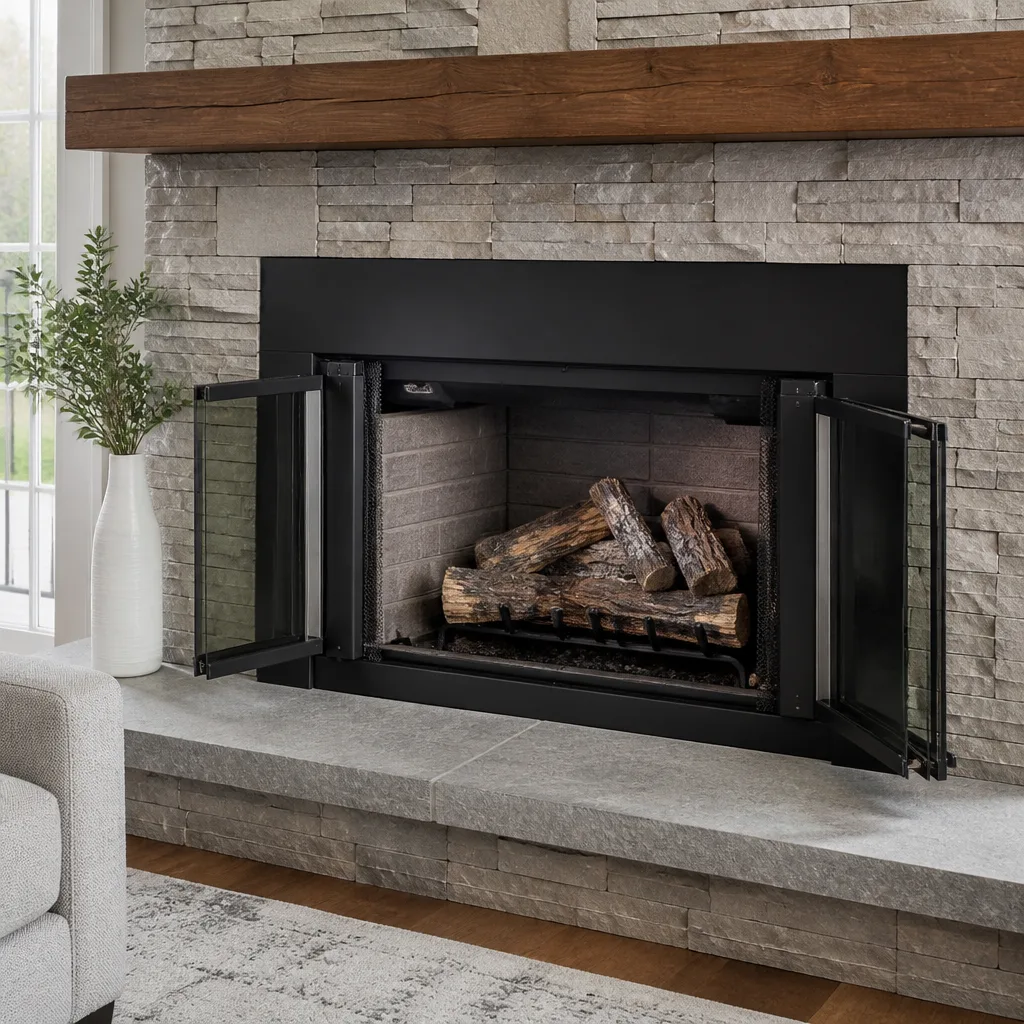 Gas fireplace service
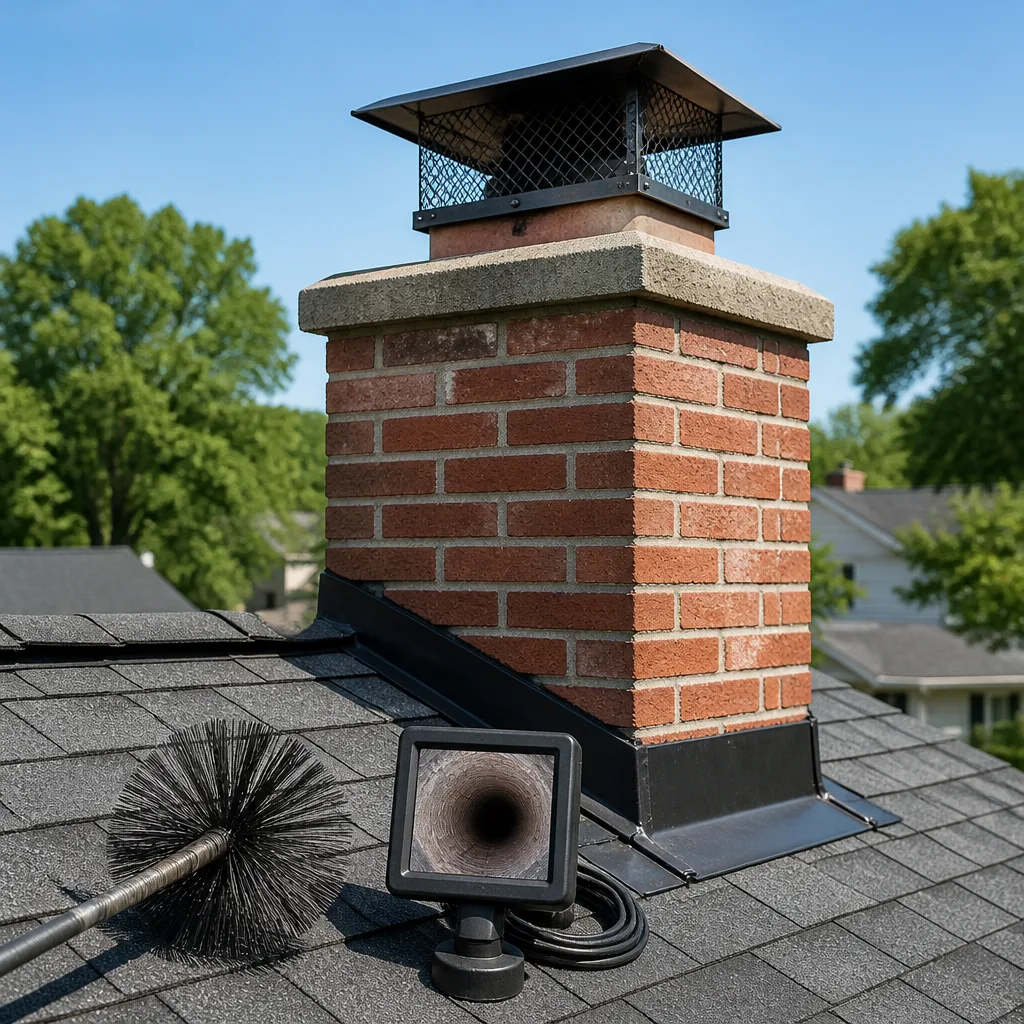
Level 1 sweep and inspection to the NFPA 211 annual standard - flue, crown, cap, and flashing checked and photographed
Chimney sweep logs do not sweep chimneys. They loosen some creosote - which then falls where a brush and vacuum still have to collect it.
The Complete Guide to Chimney Cleaning in Bellevue
A layer of creosote less than 1/8 inch thick is enough to sustain a chimney fire that burns at over 2,000°F, hotter than most fireplace liners are rated to handle. That single fact reframes the whole idea of a sweep. Chimney cleaning in Bellevue is less about what a technician removes and more about what a technician finds while removing it: cracked flue tiles, tired mortar joints, a crown that’s stopped shedding water, a smoke chamber that’s never been parged. This guide walks through why Bellevue homes build creosote the way they do, what the three inspection levels actually mean, and how to read a post-sweep report so you know which findings need action now and which can wait.
Quick Answer
Chimney cleaning in Bellevue is an annual service that removes creosote and soot from the flue and, done properly, doubles as a diagnostic inspection of the full system from firebox to crown. Homeowners who burn wood regularly should book a sweep before each heating season, and every chimney should get an inspection per NFPA 211 recommendations. The cleaning matters; what gets found during it matters more.
Styles & brands we work with
- Sweep & inspection
- Caps & crowns
- Flue relining
- Masonry repair
- Gas fireplace service
Table of Contents
- Why Bellevue Chimneys Build Creosote Faster
- The Three NFPA 211 Inspection Levels Explained
- What a Full-Service Sweep Includes (and What a Bare-Minimum Cleaning Skips)
- Your Chimney Is a Safety System, Not a Hole in the Roof
- How to Read Your Post-Sweep Report
- Cleaned vs. Certified-Safe: Why Insurance Cares
- Gas Fireplaces in Bellevue: They Still Need Attention
- When to Schedule Your Bellevue Sweep
Why Bellevue Chimneys Build Creosote Faster
Bellevue sits in Middle Tennessee, and the housing stock here tells a story that matters to anyone who burns wood. The town grew up around older homes, many built decades ago with masonry fireplaces that were designed for the way people heated then. Those flues are often oversized for a modern wood-burning insert or a fireplace that gets occasional weekend use. An oversized flue lets exhaust cool too quickly, and cool exhaust is exactly what deposits creosote on the walls.
Add the local culture. Bellevue residents burn hardwood, and hardwood is a good fuel. But hardwood that hasn’t been seasoned long enough releases moisture that slows the burn, cools the smoke, and thickens the deposit left behind. We routinely see fireboxes where the wood was cut in spring and burned by fall, which is too soon for a proper dry. The result is above-average creosote accumulation compared to what a nationally averaged number would suggest, and it’s the reason a once-a-year sweep isn’t optional in this town the way some homeowners assume.
There’s a second local factor: the shoulder seasons. Middle Tennessee swings between mild stretches and hard cold snaps in a way that invites short, hot burns followed by long idle periods. Each short burn throws off smoke before the flue warms up, and each idle period lets the moisture inside the masonry settle in. Over a season, that cycle leaves more behind than steady, well-managed fires would.
- Oversized flues on older masonry fireplaces cool exhaust and encourage deposit.
- Unseasoned hardwood adds moisture that thickens creosote.
- Short, hot burns during shoulder season dump smoke before the flue warms.
- Long idle periods let moisture work into the masonry.
The practical takeaway: if you burn wood in Bellevue, treat the sweep as a seasonal appointment, not a when-I-get-to-it task. If your fireplace hasn’t been looked at in a few years, that’s the strongest reason to pick up the phone. You can schedule a chimney sweep and get the whole system looked at in one visit.
The Three NFPA 211 Inspection Levels Explained
NFPA 211 defines three levels of chimney inspection, and knowing which one you need prevents both overspending and dangerous gaps. Level 1 is the routine inspection that accompanies an annual sweep: the readily accessible portions of the system, from the firebox up the flue as far as a technician can reach and see, plus the exterior at ground level. Level 2 is more thorough and includes a video scan of the flue with a camera. Level 3 is invasive: it opens walls or other concealed spaces when a serious problem is suspected but can’t be confirmed otherwise.
Which level does a Bellevue homeowner actually need? For most homes burning a well-maintained, previously inspected fireplace, the annual Level 1 that comes with your sweep is enough. But there are clear situations that call for stepping up to Level 2:
- You’ve moved into a new Bellevue home and have no reliable history of the chimney.
- The fireplace or liner was recently changed, upgraded, or converted to a wood-burning insert or gas appliance.
- You’re buying or selling a home and need a documented pre-purchase inspection.
- You’ve had a chimney fire, even a small one, or a sudden event like a flue collapse.
- You’re seeing symptoms the level 1 inspection can’t explain, such as smoke backing up or stains on the masonry.
A video scan is the single most useful upgrade most Bellevue homeowners can add to a sweep. It catches cracked tiles and gaps that the eye alone misses, and it lets you see the evidence yourself rather than taking anyone’s word for it. That’s a principle we hold to: nothing gets recommended that you haven’t been shown. Level 3 is reserved for the rare case where a hidden problem has to be opened up to confirm, and that’s a conversation we’d have with you before any demolition happens.
What a Full-Service Sweep Includes (and What a Bare-Minimum Cleaning Skips)
The gap between a full-service sweep and a bare-minimum cleaning is the difference between a diagnostic visit and a brush run. A bare-minimum cleaning gets soot out of the flue and stops there. A full-service sweep treats the chimney as the system it is and looks at every part of it while the tools are out. When we talk about scope, we mean the whole path the exhaust travels.
- Flue cleaning with the appropriate brush for the liner type, and a check of the flue’s condition.
- Liner inspection for cracks, gaps, spalling, and failed joints. This is the part that bare-minimum cleanings skip, and it’s the part that matters most.
- Smoke chamber check, including whether it’s been properly parged. An unparged smoke chamber collects creosote in hard-to-reach corners.
- Firebox integrity: cracked firebrick, deteriorated mortar, gaps at the damper.
- Damper operation and the flue-to-damper seal.
- Exterior at the top: cap, crown, and flashing condition, since water intrusion is the number one cause of long-term chimney deterioration.
- Photo documentation of what was found, so you have a record to refer to or share with an insurer.
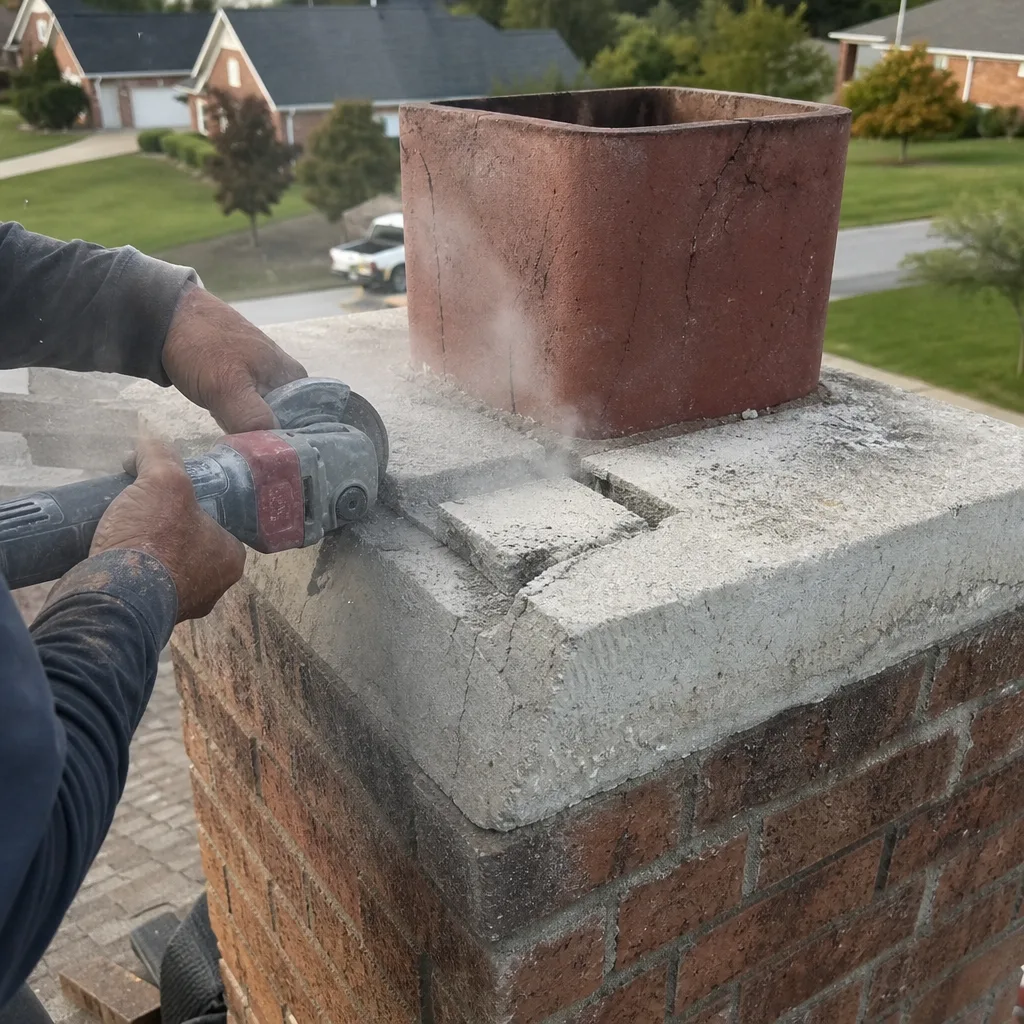
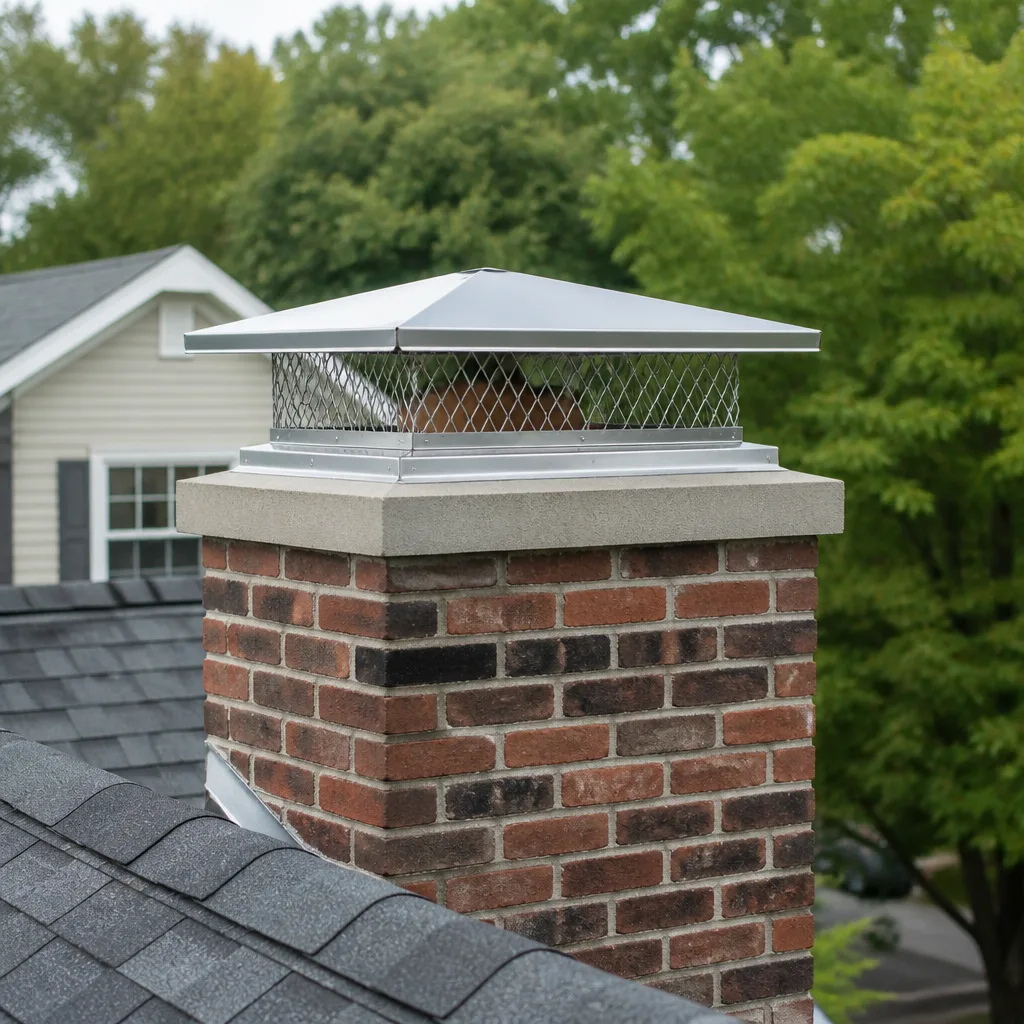
The cap-and-crown check at the top of the chimney is where a lot of Bellevue homes have their real problem. A crown that’s cracked or a cap that’s come loose lets rain into the masonry. Over time that moisture freezes, thaws, and pushes the chimney apart from the inside. Fixing a chimney cap & crown early is far less involved than dealing with a chronically damp flue later. If your sweep report shows a failing crown, take it seriously. That’s a repair that’s far cheaper now than after a season of water damage.
Your Chimney Is a Safety System, Not a Hole in the Roof
Most homeowners picture the chimney as a tube that carries smoke away. That’s the visible part. The functional part is a system: the firebox, the damper, the smoke chamber, the flue and its liner, the crown, and the cap, and each piece depends on the others to do its job safely. A crack in a flue tile lets combustion gases escape into the framing. A failed damper seal can let a fire smolder when it should be drawing. A missing cap lets birds and water in. The point of a full top-to-bottom inspection is to find the weak link before it fails at the worst possible moment.
Creosote itself is the best argument for treating the chimney as a system. It accumulates in three forms: soot and light fluff (the easiest to remove), then a hard, flaky crust, then a glazed, tar-like deposit that bonds to the flue wall. That third stage is what makes chimney fires so intense, because glazed creosote burns hot and is very hard to remove with a brush alone. Catching it at the first or second stage is a cleaning job. Catching it at the third stage may call for more than a brush, sometimes resurfacing or relining.
Carbon monoxide is the other reason to think in systems. A blocked or damaged flue lets CO back into the house instead of venting it up and out. You can’t see or smell CO, which is precisely why the chimney’s structural integrity matters. A safe chimney is one whose flue is intact, whose cap isn’t clogged, and whose draft actually works. A sweep that only clears soot can leave every one of those things unchecked.
How to Read Your Post-Sweep Report
A good post-sweep report is more than a receipt. It should tell you what was found, where, and how serious it is, ideally with photos. When you read yours, sort the findings into three buckets: do now, monitor, and no action needed. That sorting is what separates a useful report from one that just lists every possible fix.
- Do now. Anything that compromises the flue’s ability to vent gases safely: cracked or missing flue tiles, a failed cap, a crown with open cracks, a damper that won’t seal, or glazed creosote at the third stage. These are safety items, not maintenance items.
- Monitor. Minor surface spalling, hairline cracks that aren’t through the tile, or light buildup that’s expected given your burning habits. Note these and recheck next season.
- No action needed. Normal wear that’s within tolerance. Not every report needs a repair attached to it, and a report that tells you what’s fine is as valuable as one that flags what isn’t.
Here’s where we want to be blunt. The real worry most Bellevue homeowners bring to us is being told they need thousands of dollars of liner or masonry work with no way to check the claim. That worry is fair. Our answer is simple: you should never be asked to approve work you can’t see the evidence for. The camera scan and photo report exist so the recommendation matches what’s actually in your flue. And if the timeline can safely wait until after the holidays or until the weather changes, we’ll say so. Nothing should be sold on fear when the facts support patience.
Cleaned vs. Certified-Safe: Why Insurance Cares
A cleaned chimney and a certified-safe chimney are not the same thing, and the difference can matter when you file a claim. A cleaned chimney has had soot and creosote removed. A certified-safe chimney has been inspected and confirmed to still do its job: vent gases, contain fire, and keep water out. You can have a spotless flue sitting inside a failed liner, and it will look fine in the firebox while being unsafe in the masonry.
For insurance, the distinction cuts two ways. If a chimney fire or CO event ever happens, an adjuster will want to know whether the chimney was inspected and maintained to recognized standards. A documented annual inspection against NFPA 211 recommendations does more for you than a stack of cleaning receipts. And when a real-estate transaction is involved, buyers and lenders increasingly expect a Level 2 inspection rather than a verbal “it looked okay.” Bellevue homes with any age on them benefit from having that paper trail ready before the question comes up.
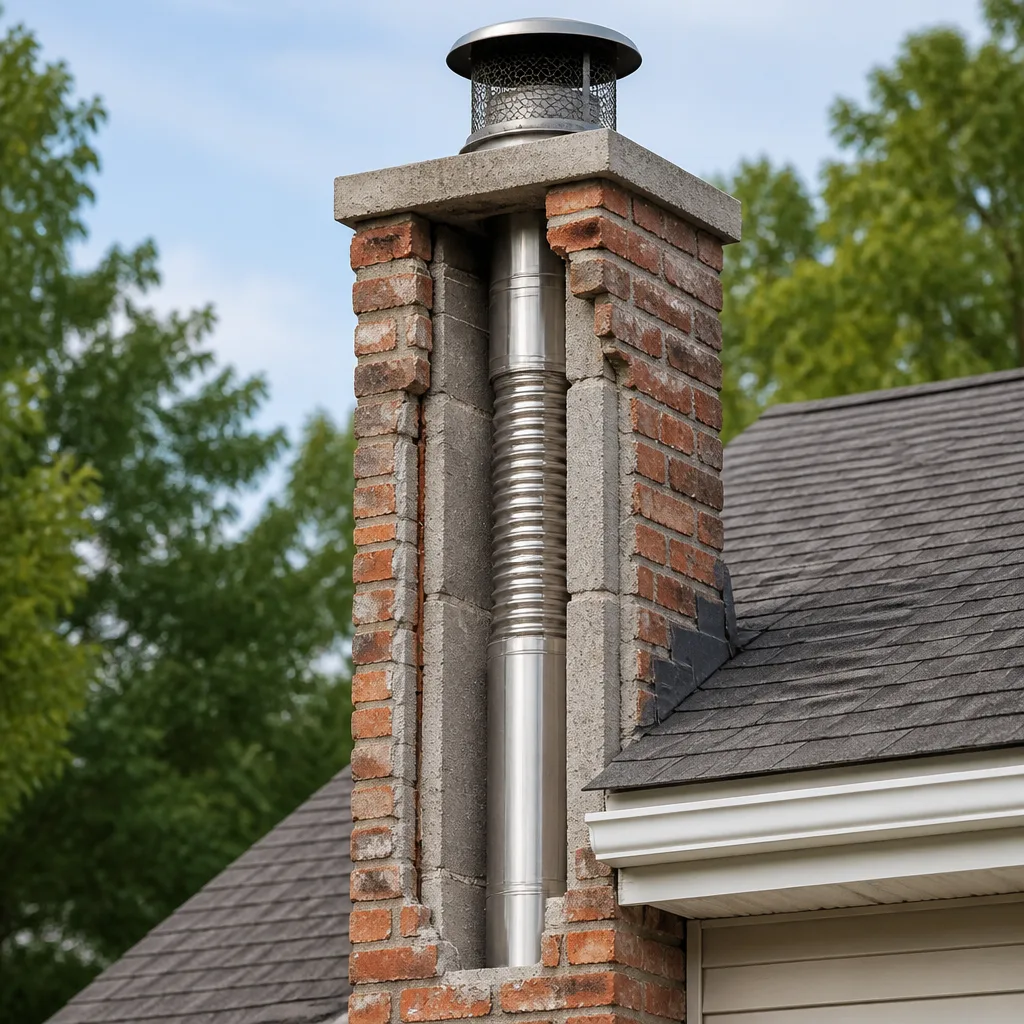
We treat the sweep as the point where the two ideas meet: you get the creosote removed and the system’s condition documented in the same visit. If your report shows a flue that needs resurfacing, HeatShield is often the route that restores the existing flue rather than rebuilding it. DuraFlex flexible liners handle full relining for older or irregularly shaped flues. Both are trade-spec products certified chimney professionals nationwide rely on, not big-box substitutes. Restoring before replacing is usually the goal, and it’s a service a brush-and-go sweep can’t offer.
Gas Fireplaces in Bellevue: They Still Need Attention
A gas fireplace doesn’t produce creosote, so it’s easy to assume it needs nothing. That assumption is wrong, and it’s one we run into regularly in Bellevue. Gas burns cleaner, but it still sends exhaust up the flue, and that exhaust carries moisture. In a gas-only setup the venting system, the cap, and the firebox itself still need checking, because a blocked vent on a gas appliance is a carbon monoxide risk. A sweep of a gas vent is a different job than a wood-chimney sweep, but it’s still a job.
Houses here also mix the two. A wood-burning fireplace that was converted to gas logs, or a wood stove sharing a chase with a furnace flue, needs its venting checked as a system, not piece by piece. That’s when a full-service scope pays off, since the inspection covers the firebox, the vent, and the top of the chimney together. If a gas log set has been sitting unused for a while, the firebox is a reasonable place to look before the first cold snap rather than after. Repairs to the firebox and damper fall under fireplace repair, and it’s worth addressing them while the chimney is open and accessible.
When to Schedule Your Bellevue Sweep
The best time to schedule a sweep is before you need the fireplace, not after the first cold night. Late summer and early fall are when most Bellevue homeowners book, and having the whole system checked before the heating season means any repair your report turns up has time to be completed while the weather is still workable. A crown repair or a liner job on a chilly, wet November morning is slower and less pleasant than the same job in September.
That said, the sweep is worth booking whenever your fireplace has gone a full season without one. If it’s been longer than a year, don’t wait for the calendar to align. Creosote doesn’t take a season off. A quick call is enough to get on the schedule, and our technicians have up to 15 years of experience reading the findings that matter most. One visit covers the sweep, the inspection, and any follow-up work, so you’re not coordinating a second contractor for the cap or the liner. Call (855) 337-1241. We answer 24/7. Fast dispatch from 7am to 7pm, Sunday through Friday.
Common Mistakes to Avoid
- Skipping the sweep because the firebox looks clean. The firebox is the least informative part of the chimney. Creosote and cracked tiles live up the flue, where you can’t see from the hearth. An annual sweep and inspection catches what the firebox hides.
- Burning unseasoned wood to save money. Green wood burns cooler and smolders, which deposits more creosote in Bellevue’s already-deposit-prone flues. Seasoned hardwood costs a little more and leaves far less behind.
- Treating a cracked crown as cosmetic. A cracked crown is how water gets into the masonry, and wet masonry is how a chimney falls apart. It’s the number one cause of long-term deterioration, and it’s a repair that’s much cheaper to handle early.
- Assuming a gas fireplace needs no service. Gas still vents through a flue that can clog or fail, and a blocked vent is a carbon monoxide risk. A gas vent check is part of a safe system, not an optional add-on.
- Accepting a repair quote with no camera evidence. If you’re being told your flue needs resurfacing or relining, ask to see the video scan and photos. A professional will happily show them. Anything less is a reason to get a second look.
- Hiring the cheapest brush-man in the phone book. A bare-minimum cleaning stops at the soot. What you’re paying for is the inspection that finds the structural problems the soot was hiding, and that’s the part cheap cleanings skip.
- Skipping the pre-purchase inspection. Buying a Bellevue home without a Level 2 chimney inspection is a gamble on someone else’s maintenance habits. A documented inspection before closing is worth far more than an after-the-fact discovery.
See the difference
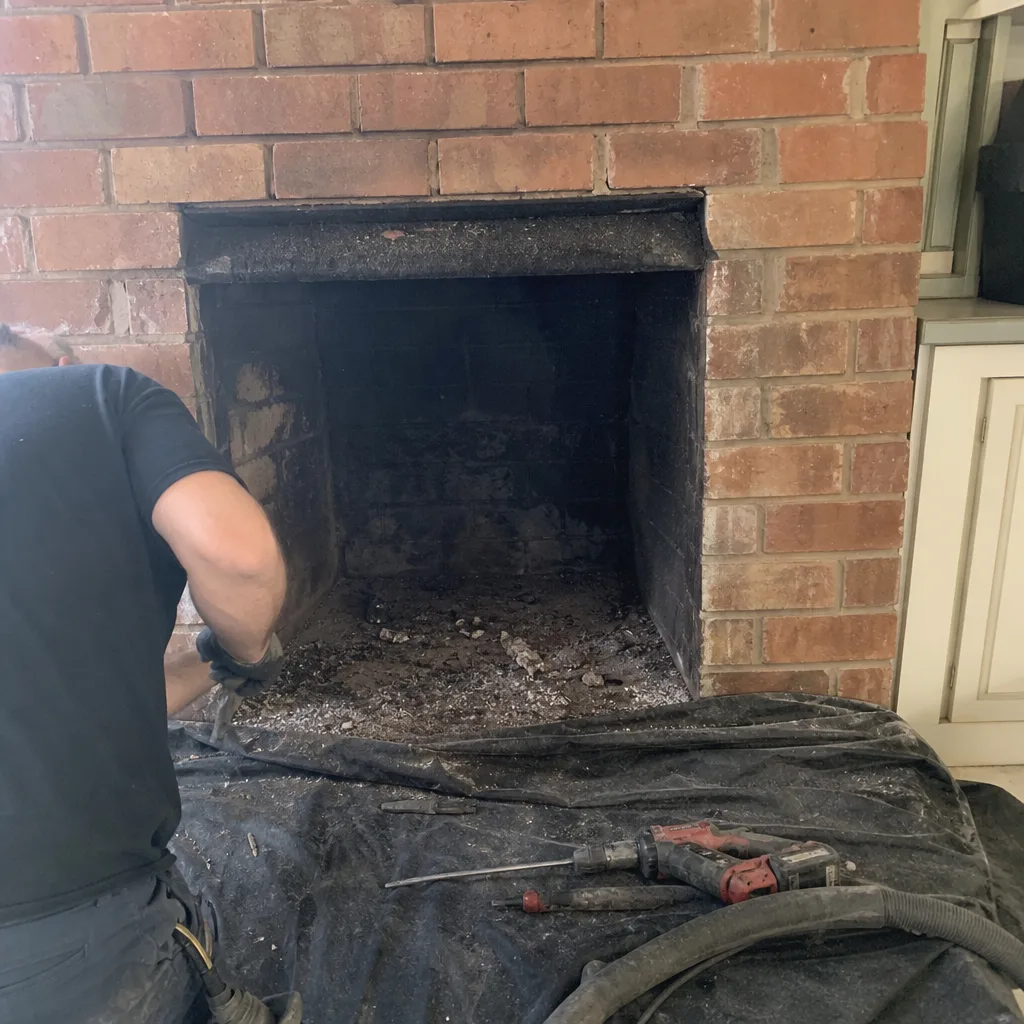 Before
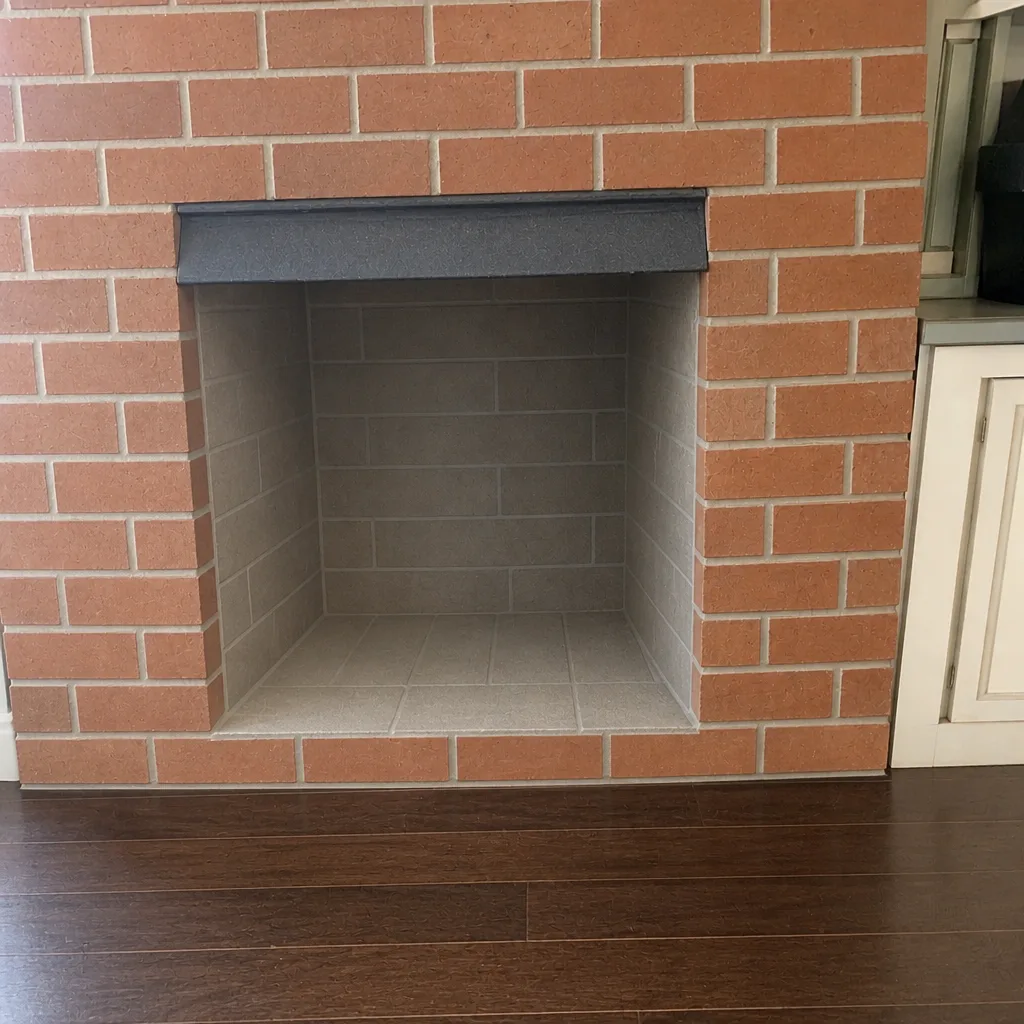 After
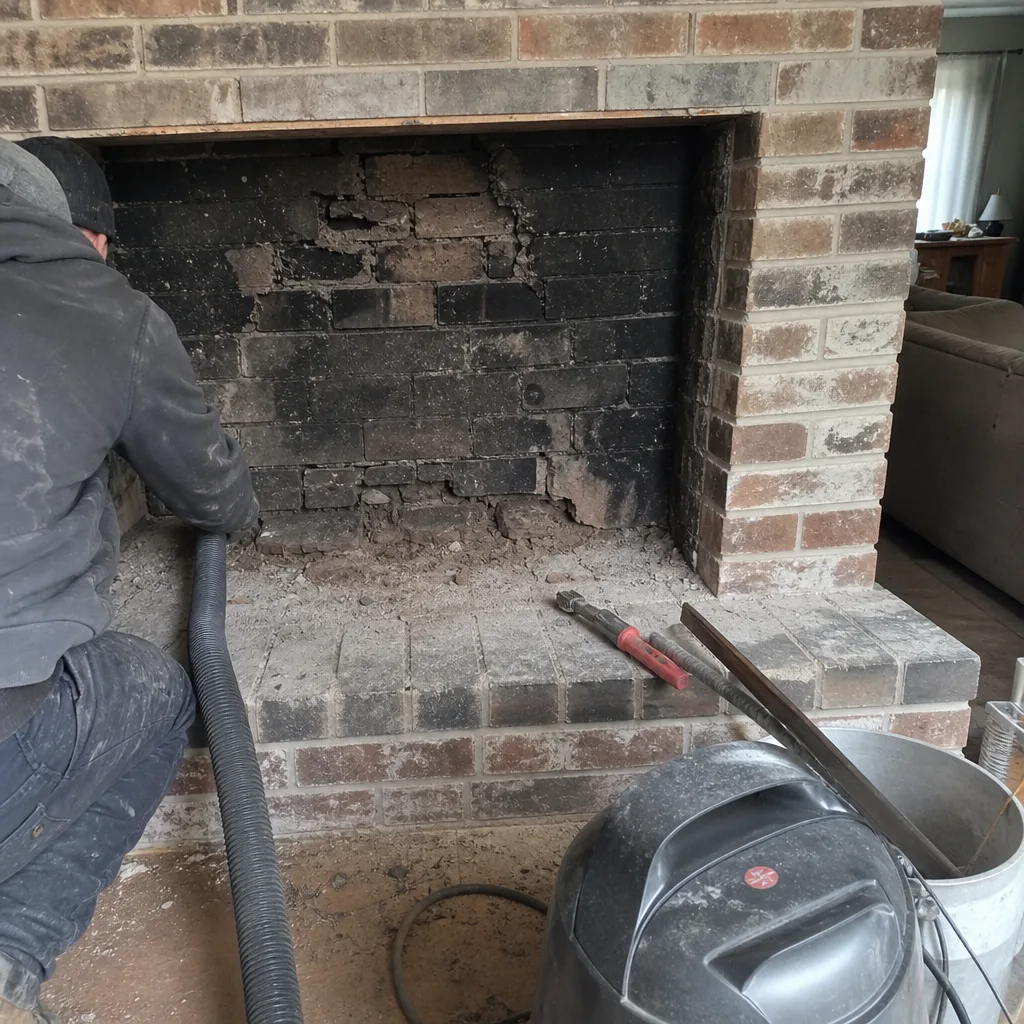 Before
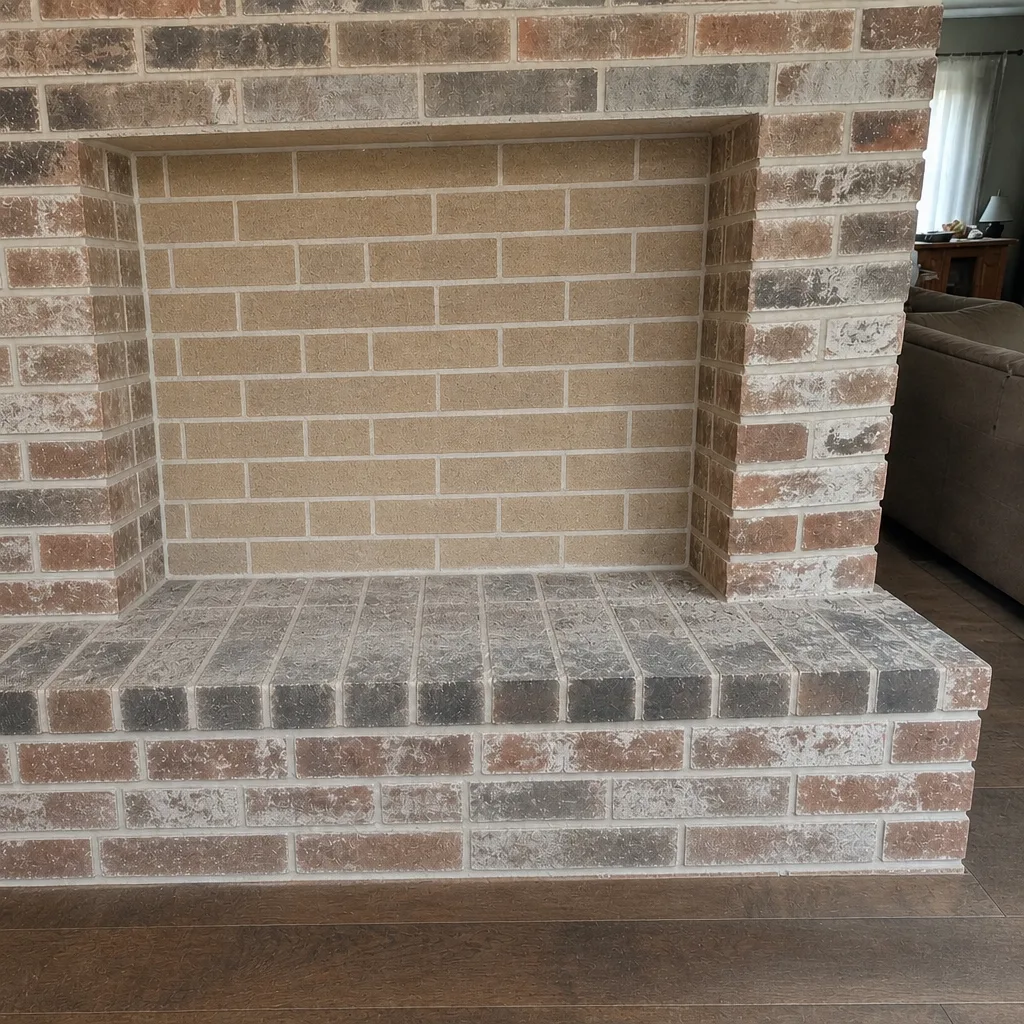 After
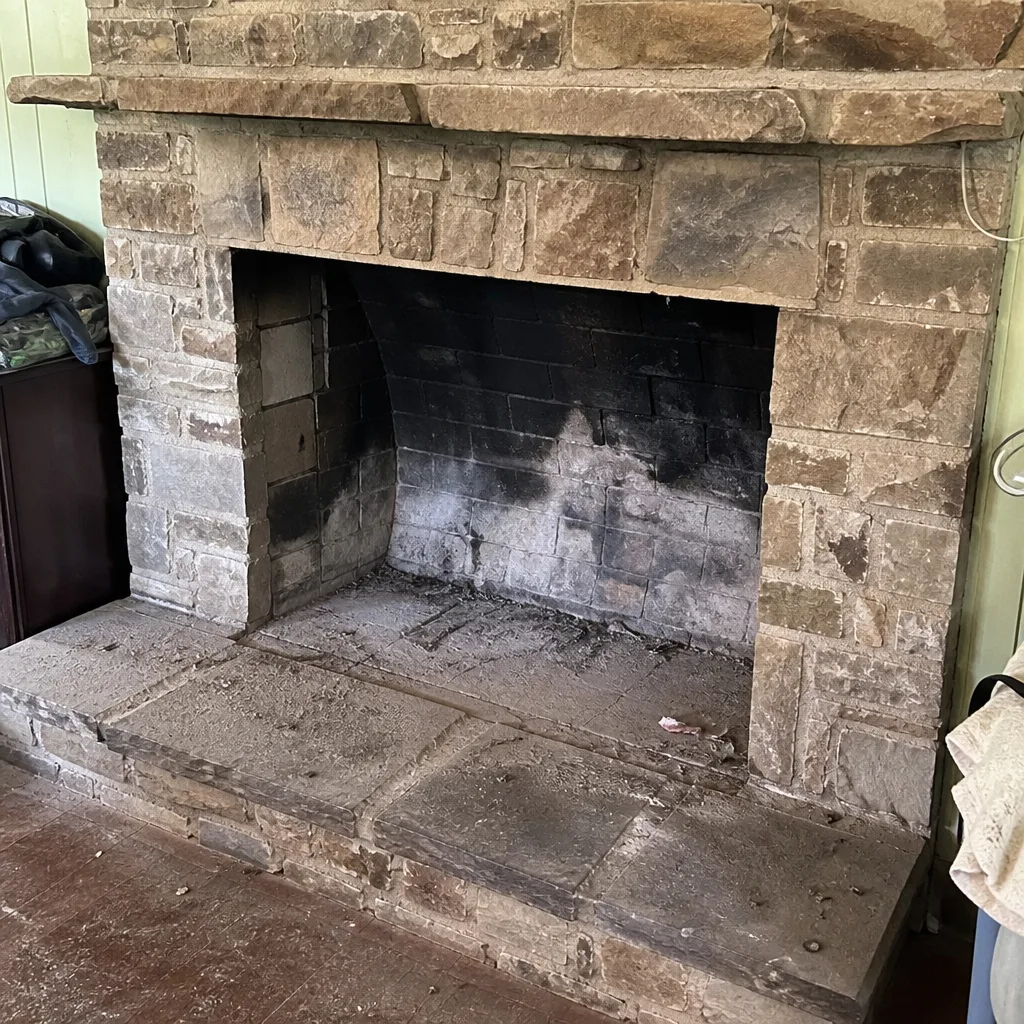 Before
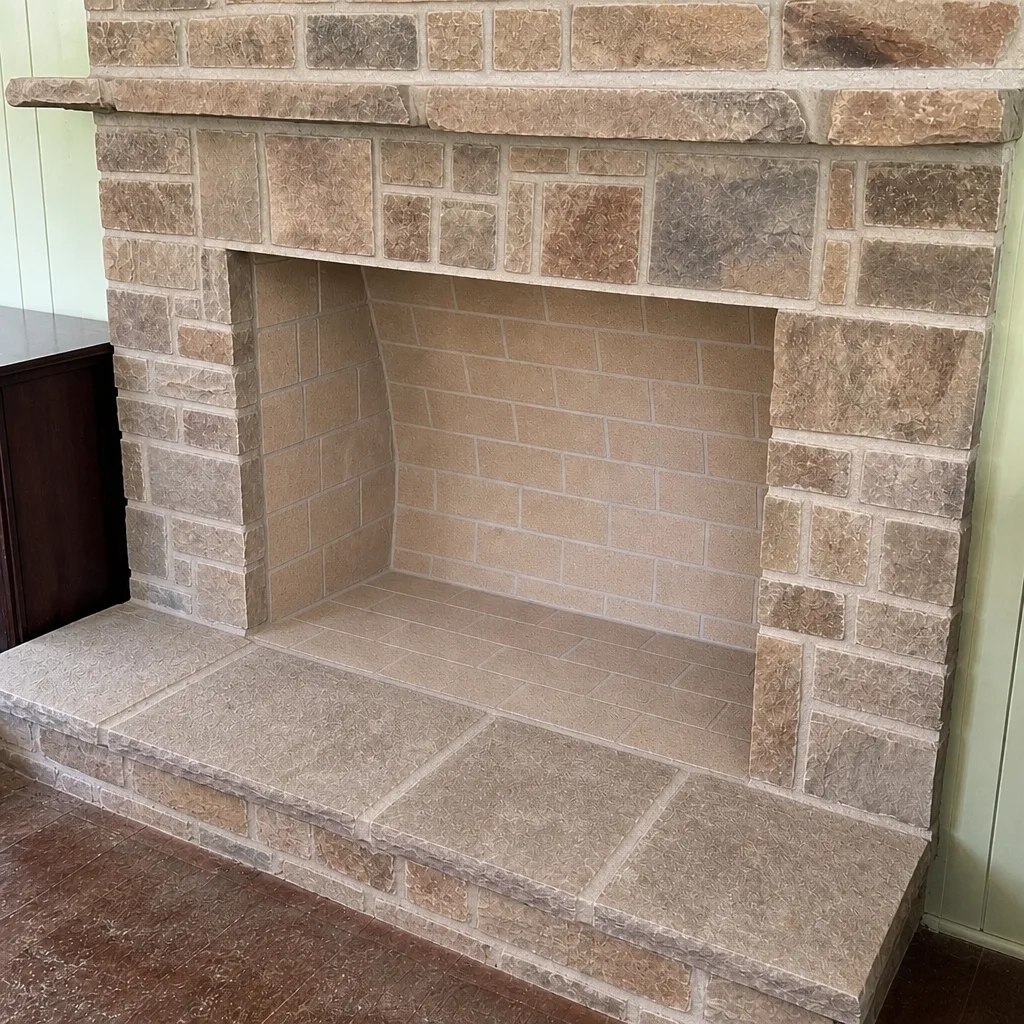 After
When to Call a Professional
Call a professional before you light the first fire of the season if your chimney hasn’t been swept in the past year, if you’ve moved into a home with an unfamiliar chimney, or if your insurance or a real-estate transaction asks for a documented inspection. Call sooner if you notice smoke backing into the room, a cap that’s loose or missing, stains or efflorescence on the exterior masonry, or creosote you can see glazing on the flue walls. And call the moment you suspect a chimney fire has happened, even a small one, because the damage it can leave behind in the liner isn’t always visible from the hearth.
The safest path through all of this is a single appointment that covers the sweep, the inspection, and any repair the findings call for. Chimney Sweep Bellevue offers free estimates in Bellevue. Call (855) 337-1241. We answer 24/7, with fast dispatch from 7am to 7pm, Sunday through Friday. The estimate is free and sets the price before any work begins.
If you’re ready to start, our main Chimney Sweep Bellevue page has the full service list, and it’s the fastest way to see everything we cover in one place.
Frequently Asked Questions
Chimney cleaning is priced per job by a written estimate after the technician sees the system, so the free estimate is the number to trust. The final price depends on the flue’s condition, its length and access, and whether the job is a standard sweep or includes a video scan. Call (855) 337-1241 for an exact quote – estimates are free.
Once a year is the general rule for homes that burn wood regularly, and every chimney should get an inspection per NFPA 211 recommendations. Bellevue’s older masonry fireplaces and hardwood-burning habits tend to build creosote a little faster than the average, so the annual mark is the practical minimum here. Call (855) 337-1241 to book the seasonal sweep.
Not always. A liner is recommended when the flue is cracked, deteriorated, or the wrong size for the appliance, and sometimes a HeatShield resurfacing can restore the existing flue instead of replacing it. The decision should follow what the camera scan shows, not a guess. Call (855) 337-1241 and ask to see the scan before you decide.
Creosote builds up, and at the glazed stage it can fuel a chimney fire that runs hotter than the liner is rated for. Skipping the sweep also means skipping the inspection that would have caught structural damage before it became a danger. The sweep is cheap compared to what a neglected chimney costs. Call (855) 337-1241 to get back on schedule.
Yes. A gas fireplace doesn’t produce creosote, but its venting system still needs checking for blockages and condition, and a blocked gas vent is a carbon monoxide risk. Repairs to the firebox and damper are part of the same visit. Call (855) 337-1241 to book a gas vent check.
A routine annual inspection (Level 1) covers the readily accessible parts of the system and comes with a standard sweep. A Level 2 adds a video scan of the flue, which you’ll want for a new home, a recent change to the appliance, or a real-estate transaction. Most Bellevue homeowners need the Level 1, with a Level 2 when there’s a reason to look closer. Call (855) 337-1241 to talk through which fits your situation.
The Bottom Line
Chimney cleaning in Bellevue is a diagnostic event first and a cleaning second. Your annual sweep is the moment the creosote comes out and, more importantly, the moment the flue, firebox, smoke chamber, crown, and cap get checked as one system. Book the sweep before the heating season, read your report in three buckets, and never approve a repair you can’t see the evidence for. The right technician will show you the scan, tell you what can safely wait, and fix what can’t in the same visit. Call (855) 337-1241 for a free estimate. We answer 24/7. Fast dispatch from 7am to 7pm, Sunday through Friday.
Written by the team at Chimney Sweep Bellevue.