
Last updated November 25, 2026
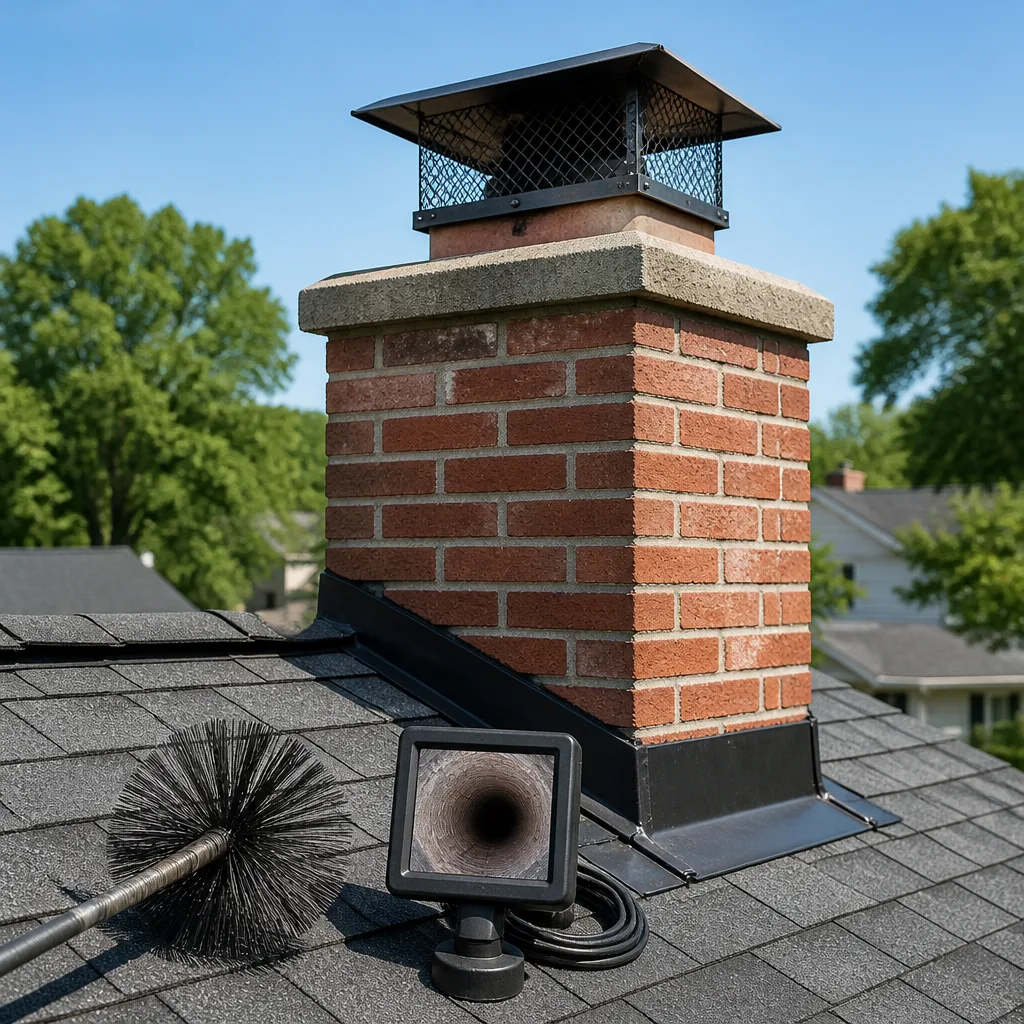 Sweep & inspection
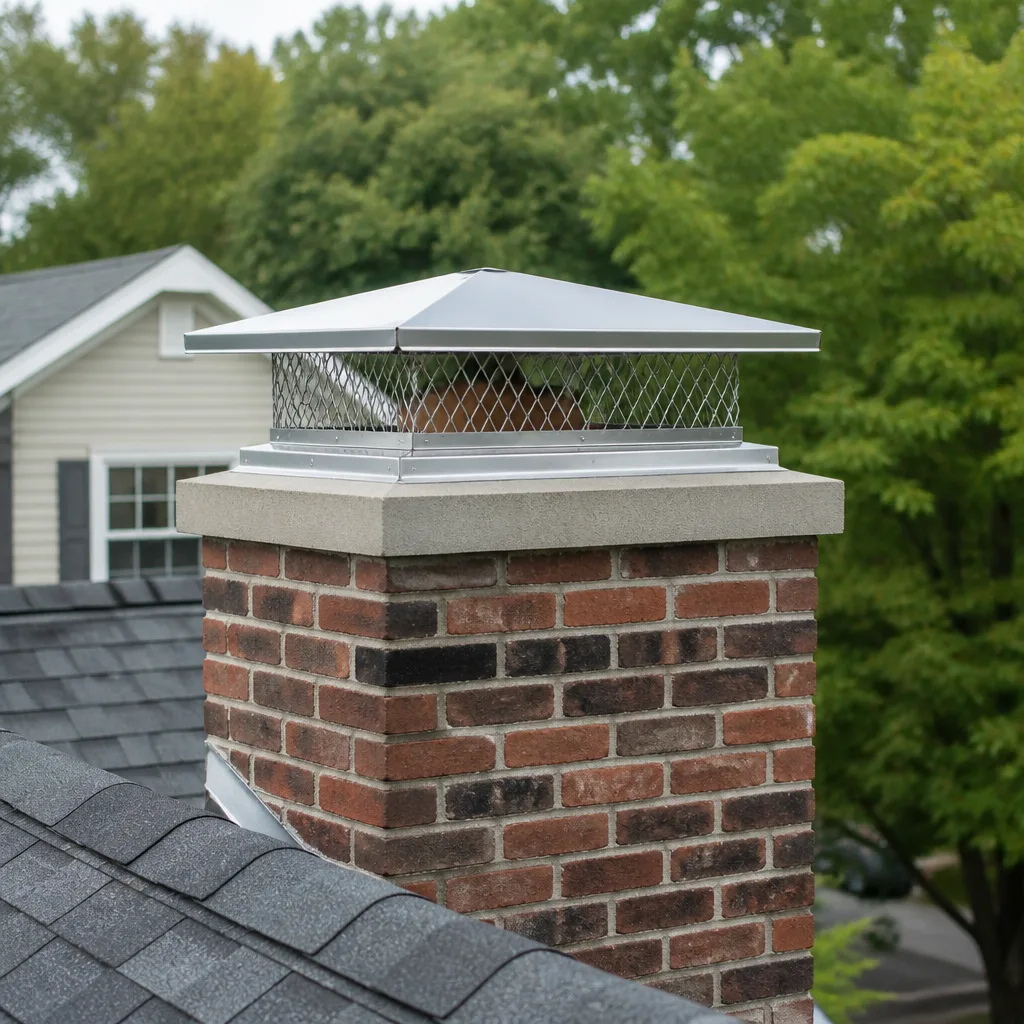 Caps & crowns
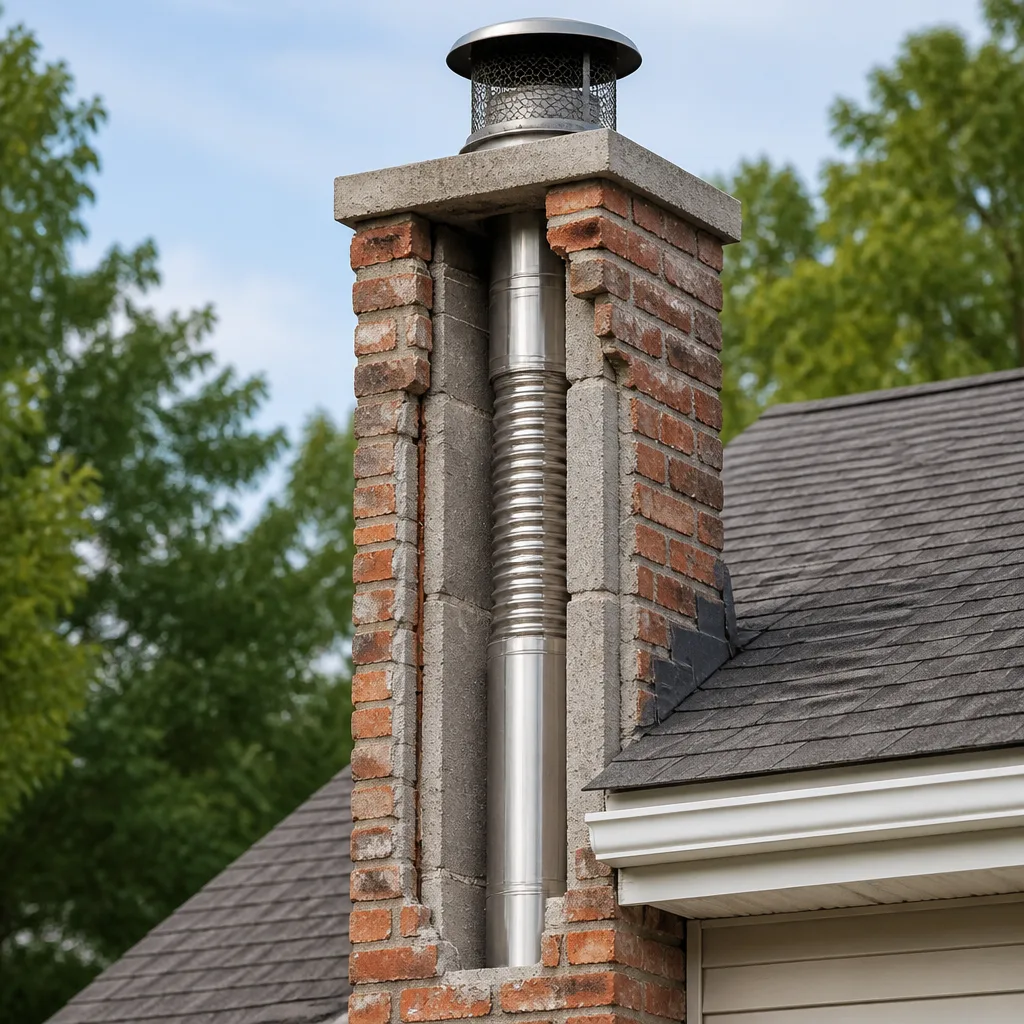 Flue relining
 Masonry repair
 Gas fireplace service
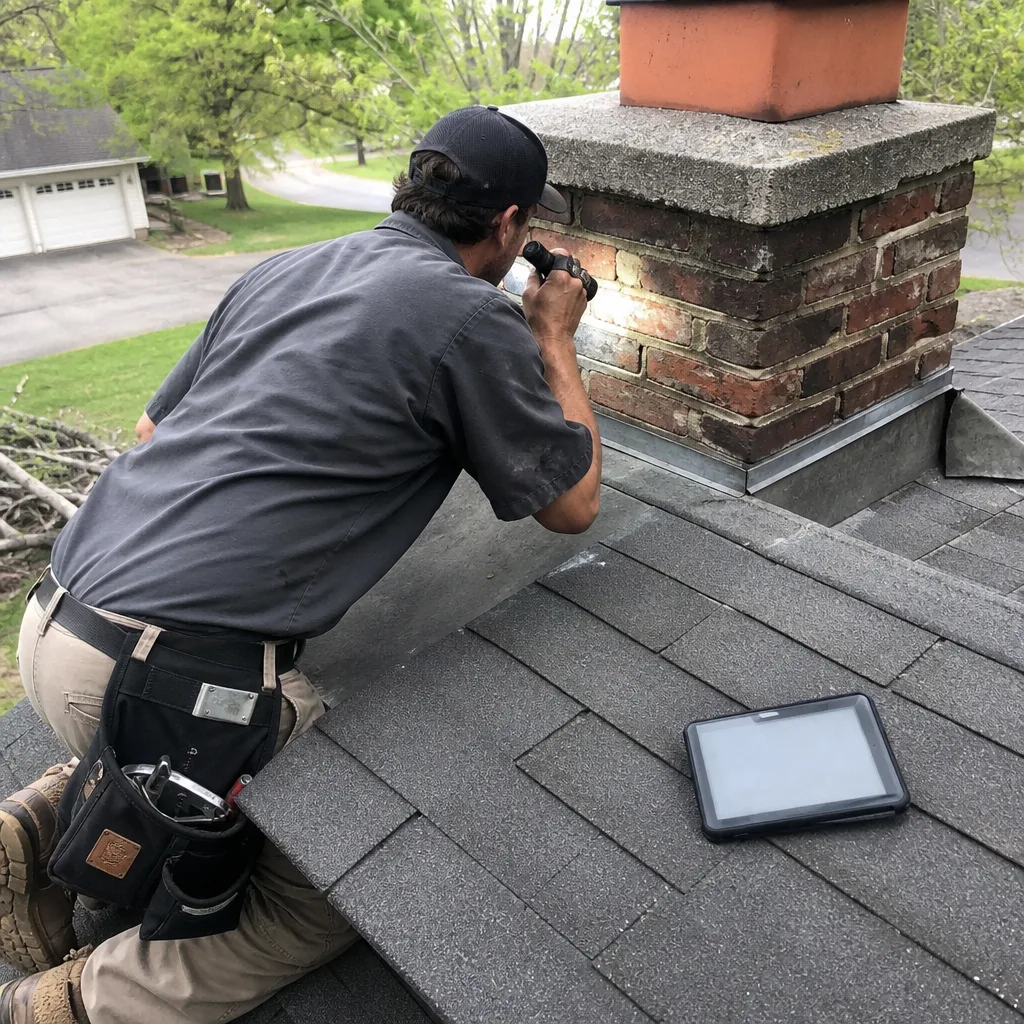
Level 1 sweep and inspection to the NFPA 211 annual standard - flue, crown, cap, and flashing checked and photographed
Chimney sweep logs do not sweep chimneys. They loosen some creosote - which then falls where a brush and vacuum still have to collect it.
Chimney Cleaning Warning Signs: A Bellevue Homeowner’s Reference Guide
Most people believe a chimney fails without warning. It doesn’t. A chimney gives you signals for months, sometimes years, before anything catches fire or a carbon monoxide problem develops. The difference between a close call and a routine sweep is almost never luck. It’s whether someone in the house knew what they were looking at. A faint smell in July, a white stain on the brick, a damper that fights back a little more each season: each of these is the chimney telling you something specific. This guide decodes those signals for Bellevue homeowners, from the firebox to the cap, so you can tell what’s routine, what’s urgent, and what can safely wait for a scheduled visit.
Quick Answer
The main chimney cleaning warning signs are a campfire or acrid smell when the fireplace isn’t in use, smoke rolling back into the room instead of drawing up, soot staining around the firebox opening, white efflorescence or rust streaks on the exterior brick, crumbling mortar joints, and a damper handle that has become hard to move. Odor and draft problems usually point to creosote buildup or an obstruction, while exterior staining and rust point to water getting in at the top. Schedule a sweep for odor, soot and draft symptoms; treat active smoke backup, a strong acrid smell or damaged flue tiles as a call-today situation.
Styles & brands we work with
- Sweep & inspection
- Caps & crowns
- Flue relining
- Masonry repair
- Gas fireplace service
Table of Contents
- What the Three Chimney Odors Tell You
- Reading the Exterior: Stains, Spalling and Rust
- Draft Problems Decoded
- Interior Warning Signs Homeowners Overlook
- Which Signs Are Monitor-and-Schedule vs. Call Today
- What a Proper Bellevue Inspection Covers
- Common Mistakes to Avoid
- Frequently Asked Questions
What the Three Chimney Odors Tell You
A chimney produces three distinct smells, and each one points to a different problem. If you can name the smell, you’ve already narrowed down what’s happening inside the flue before anyone climbs on the roof.
1. The campfire smell
That smoky, wood-fire scent in the living room when nothing is burning is the classic creosote signal. Creosote is the residue left behind by every fire, and it builds up in layers on the flue walls. In warm, humid weather, that residue off-gasses, and the smell drifts down into the house. It’s the most common reason Bellevue homeowners call us in the off-season. A campfire smell isn’t an emergency on its own, but it means the flue is carrying more buildup than it should, and it’s a clear prompt to book a chimney sweep before the next burning season starts.
2. The acrid burning smell
An acrid, sharp, almost chemical smell when no fire is lit is a different animal. It usually means something is actively obstructing the flue or the liner has a breach. Debris, a bird nest, or a cracked tile can let combustion gases and soot back into the living space. This is the odor that warrants a call rather than a wait. If the smell is strong, persistent, or comes with any headache, nausea or drowsiness, treat it as a safety issue and stop using the fireplace until the chimney has been inspected.
3. The musty or earthy smell
Musty and earthy smells point to moisture or animal debris. Water entering at the top of the chimney, usually past a failing cap or crown, soaks into the masonry and creates a damp, cellar-like odor. Animal debris, nesting material or droppings produce a similar smell. Both cases need an inspection, but only one is a cleaning job; the other is a repair. We see this most often in Bellevue after stretches of heavy spring rain, when a cracked crown lets water track down the flue. Resolving it means fixing the source at the top, not just sweeping the flue.
Reading the Exterior: Stains, Spalling and Rust
The outside of a chimney is a running record of what’s happening inside it. The brick, mortar and metal cap all react to moisture and heat, and each reaction has a specific meaning. Here’s what to look for on a walk around the house.
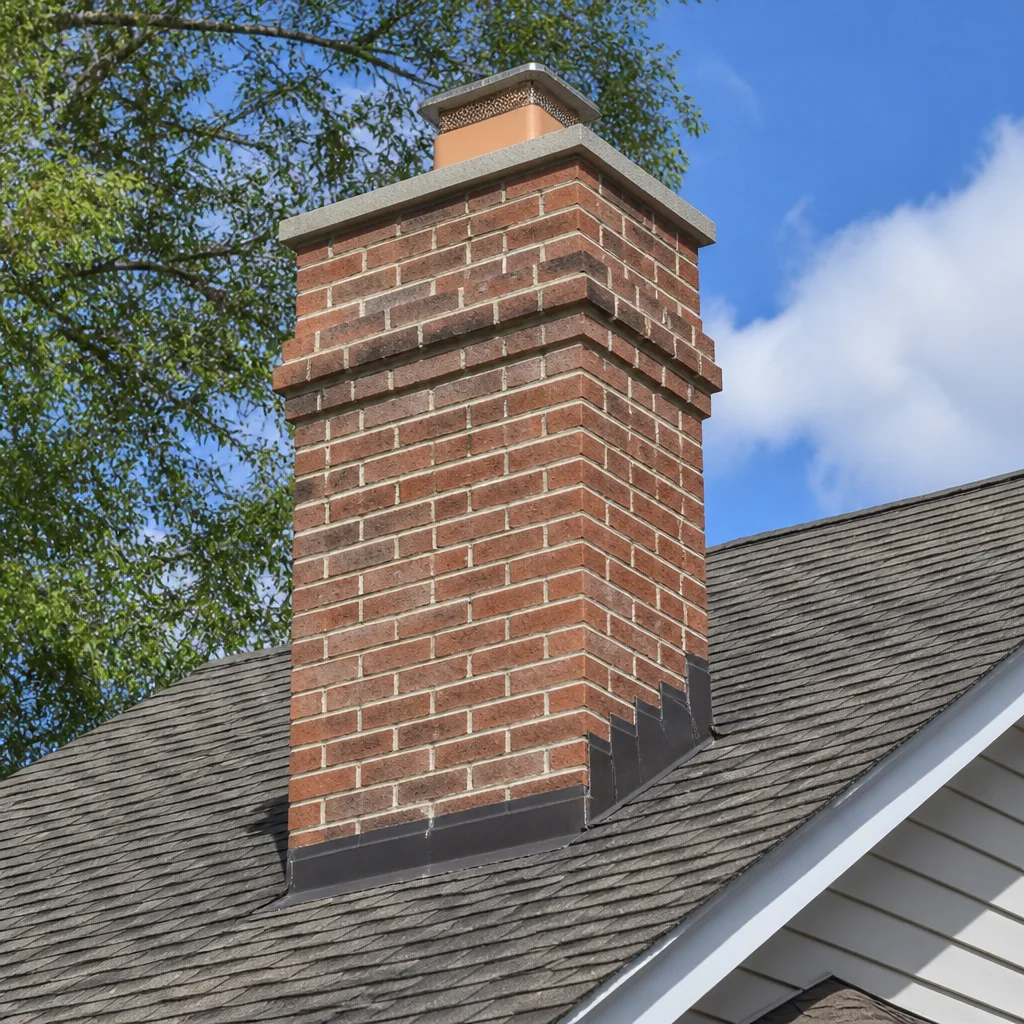
- White efflorescence staining. A powdery white deposit on the brick face means moisture is moving through the masonry and leaving mineral salts behind as it evaporates. It’s the earliest visible sign that water is getting in somewhere above.
- Spalling brick faces. When brick faces flake, peel or pop off, the masonry has absorbed water, frozen, expanded and cracked. Spalling is a step beyond efflorescence and means the brick itself is breaking down.
- Deteriorated mortar joints. Receding, crumbly or missing mortar between bricks lets even more water in. Left alone, mortar loss weakens the whole stack and can eventually compromise the crown and flue.
- Rust streaks from the cap. Orange-brown streaks running down from the top of the chimney usually mean the chimney cap has rusted through. A rusted cap no longer keeps rain and animals out, so it’s the leading culprit behind water intrusion at the top.
Almost everything on this list traces back to one cause: water. The fix usually lives at the top of the chimney, in the chimney cap & crown. A properly sealed crown and a fitted, weather-resistant cap are what stop the cycle before it starts. We install professional-trade components from brands like Gelco and Copperfield precisely because the cheap substitutes fail first.
Why Bellevue masonry takes this kind of punishment
Middle Tennessee swings between humid summers and cold snaps that drop below freezing, and that cycle is hard on masonry. Water soaks in during the wet months, then expands when temperatures dip, and every freeze-thaw round widens existing cracks. A chimney that looks fine in June can show fresh spalling by February. That’s why we recommend checking the exterior masonry once a season, not once a decade.
Draft Problems Decoded
When smoke rolls back into the room instead of going up, most homeowners assume the chimney just needs sweeping. Sometimes that’s exactly right. But draft problems have several root causes, and not all of them are cleaning-related. Reading the symptom correctly matters, because sweeping a chimney that has a different problem won’t fix the smoke.
Why smoke rolls back into the room
Backdraft happens when the pressure inside the house is lower than the pressure at the top of the chimney. The fire pulls air from wherever it can, and if the flue is blocked or the house is tightly sealed, that air can come down the chimney instead of going up it. Common causes include a flue clogged with creosote or debris, a chimney that’s too short for the roofline, competing exhaust fans pulling air out of the house, and a firebox opening that’s oversized for the flue.
Why the fire won’t draw
A fire that lights but struggles, smolders or produces more smoke than flame is usually starved for air or fighting a cold flue. A cold chimney column can hold a plug of dense air that needs to be warmed before it will rise. Sometimes that’s just a cold-start problem; sometimes it’s a sign the flue is partially blocked. If the fire draws fine once it’s roaring but smokes every time you light it, the chimney likely needs a sweep and a look at the cap and flue sizing. If it smokes even when hot, treat the flue as obstructed until proven otherwise.
The liner breach possibility
One cause of draft trouble that gets missed: a breach in the flue liner. A cracked or gaping tile lets air and gases escape sideways into the chimney structure, robbing the flue of its draft and letting combustion products migrate where they shouldn’t. This is why we inspect the full system, not just the firebox. In our experience, a draft problem that persists after a sweep is almost always structural, and the answer is often a repair rather than another cleaning.
Interior Warning Signs Homeowners Overlook
Some of the clearest signals are right in the room, easy to walk past for years. A quick look at three spots will tell you a lot about the health of the chimney.
- Soot deposits around the firebox opening. Black staining creeping out around the edges of the firebox, especially above the opening, means smoke is escaping the firebox instead of going up the flue. It’s a draft or obstruction symptom in physical form.
- Discoloration on the mantel wall. Brown or dark staining on the wall above the mantel or around the firebox surround can indicate heat and smoke working their way out. Any discoloration that’s spreading or darkening deserves an inspection.
- A damper handle that fights back. A damper that used to move freely and now sticks, grinds or won’t fully open is a warning. Rust, soot buildup or a warped damper plate are common causes. A damper stuck partly closed restricts draft and can push smoke into the room.
None of these are cosmetic issues. They’re the interior echo of problems that are often visible on the outside too, which is why we always compare the two. When the firebox, damper or surround needs work, that’s fireplace repair territory, and it’s worth addressing alongside the sweep rather than as a separate project later.
Which Signs Are Monitor-and-Schedule vs. Call Today
The hardest part of reading chimney warning signs is knowing how urgently to act. Overcorrecting leads to unnecessary panic; underreacting leads to real risk. Here’s a straightforward way to sort what you’re seeing.
Monitor and schedule a sweep
- A faint campfire smell in warm weather with no other symptoms
- Light soot around the firebox that isn’t spreading
- A damper handle that’s a little stiff but still fully opens and closes
- Minor efflorescence on the exterior brick
- Smoke that draws fine once the fire is hot but struggles at startup
- A fireplace you use regularly that hasn’t been inspected in a year
Call today
- A strong acrid or burning smell when no fire is lit
- Smoke rolling into the room even when the fire is burning hot
- Any headache, nausea or drowsiness in the house while or after using the fireplace
- Visible cracks or gaps in the flue tiles
- Spalling brick or crumbling mortar with rust streaks at the cap
- A damper that won’t open at all
If you’re unsure which column you’re in, treat it as the second one. A quick look by a trained eye is cheap compared to the alternative, and it settles the question. The important thing is not to keep burning while a symptom is unresolved. Call (855) 337-1241. We answer 24/7. Fast dispatch from 7am to 7pm, Sunday through Friday.
What a Proper Bellevue Inspection Covers
An inspection is how you turn vague symptoms into a clear picture. A proper one walks the whole system, top to bottom, and tells you exactly what needs attention and what can safely wait. Here’s what that looks like in practice.
- Exterior check from the ground and the roof. We look at the brick, mortar, crown and cap, noting staining, spalling and rust.
- Chimney cap and crown assessment. The cap and crown are where most water damage starts, so we check them first.
- Flue and liner inspection. We look for creosote buildup, cracks, gaps and obstructions, and we run a camera where needed so you can see what we see.
- Firebox and damper check. We test the damper, look at the firebox masonry and check for soot patterns that point to draft problems.
- A written report. You get a plain-language account of what’s fine, what needs work and what can wait, with photos so nothing is taken on faith.
We work to NFPA 211 inspection standards, which is the reference most chimney professionals and local codes build on. Our technicians have up to 15 years of experience, and we handle the full spectrum in one visit: sweep, inspection, cap and crown, and liner work. If the flue tiles are damaged, we can often restore them with HeatShield resurfacing rather than a full rebuild, and if the liner needs full replacement, we install the DuraFlex flexible liner system. One call covers it, from the sweep to the structural repair.
See the difference
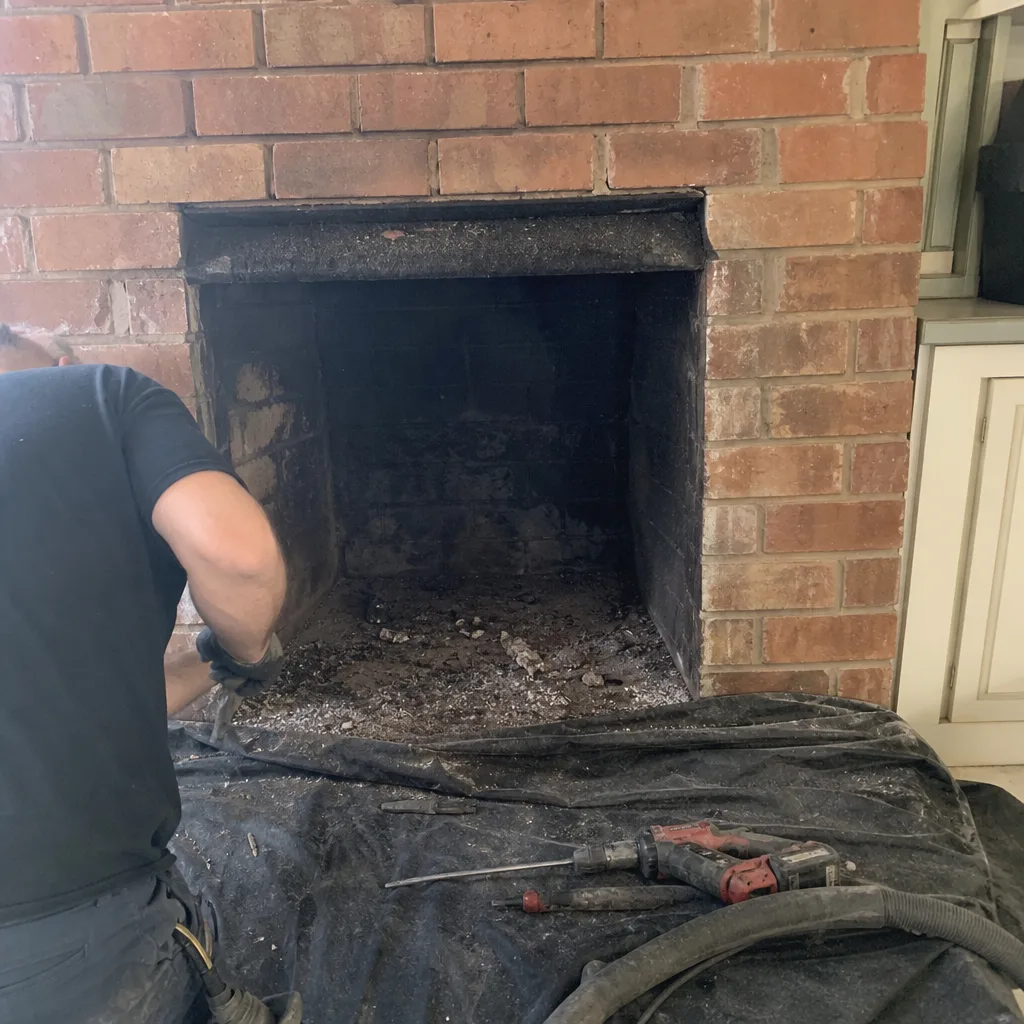 Before
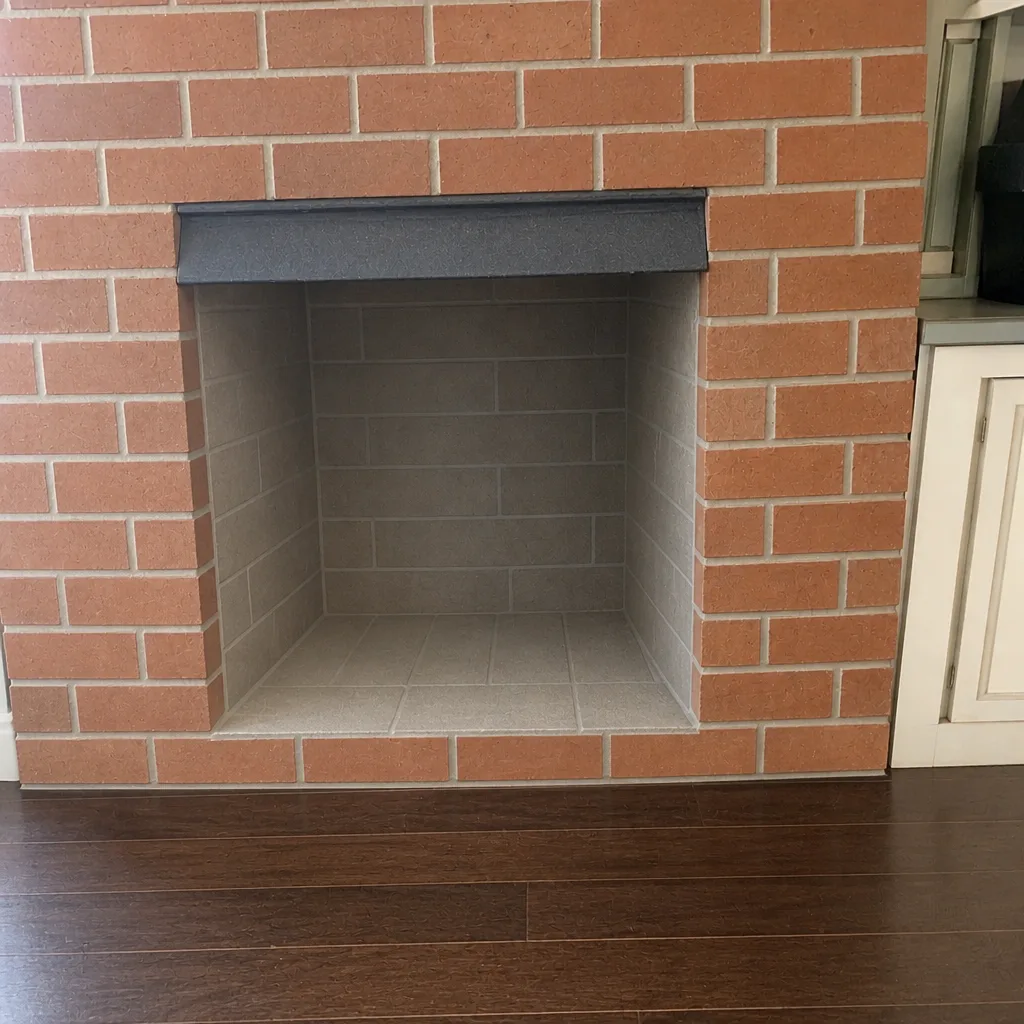 After
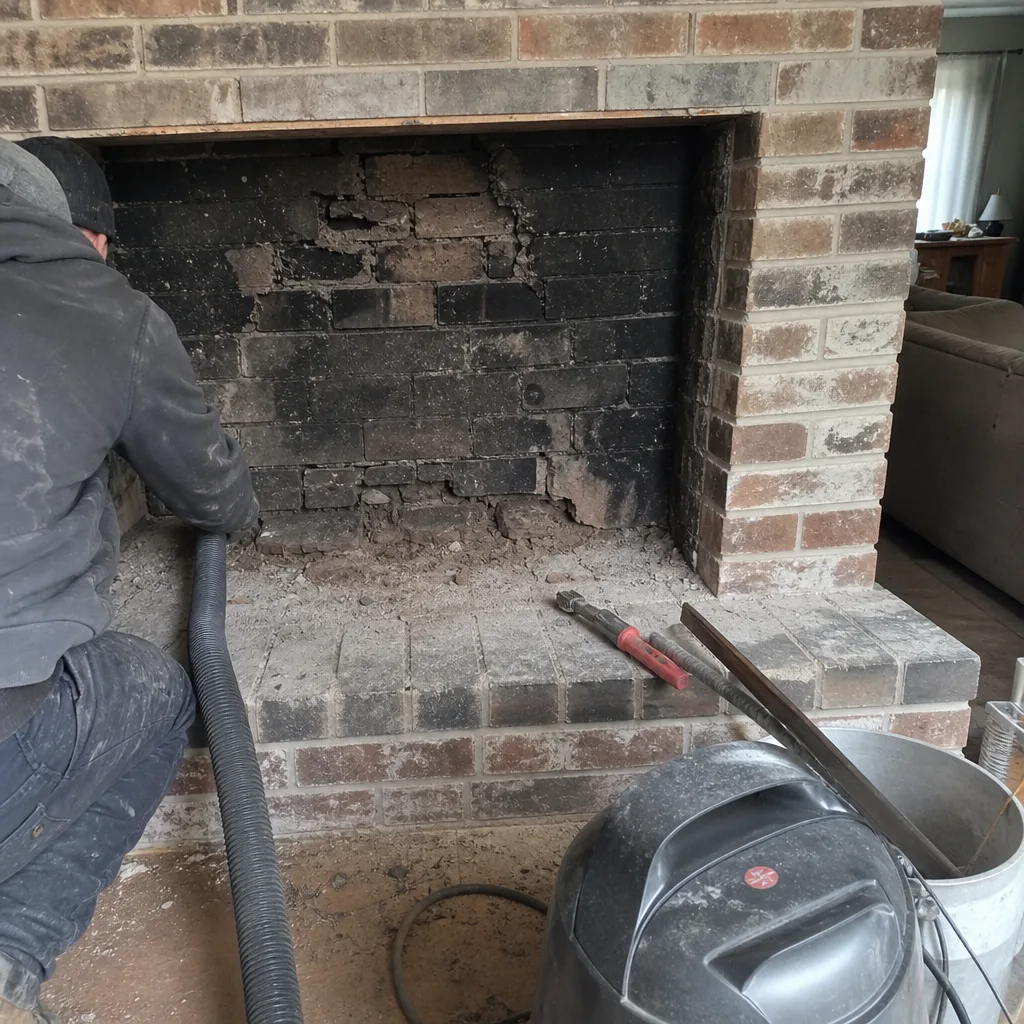 Before
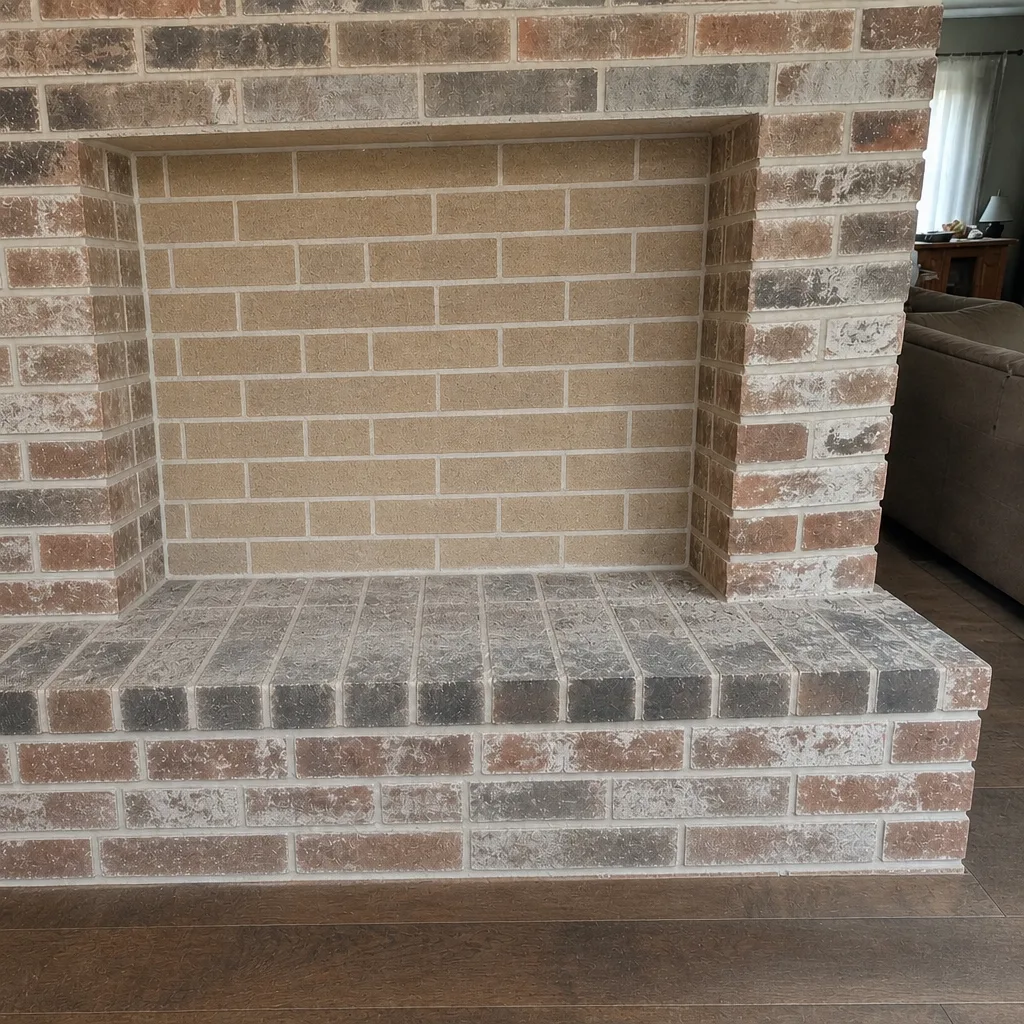 After
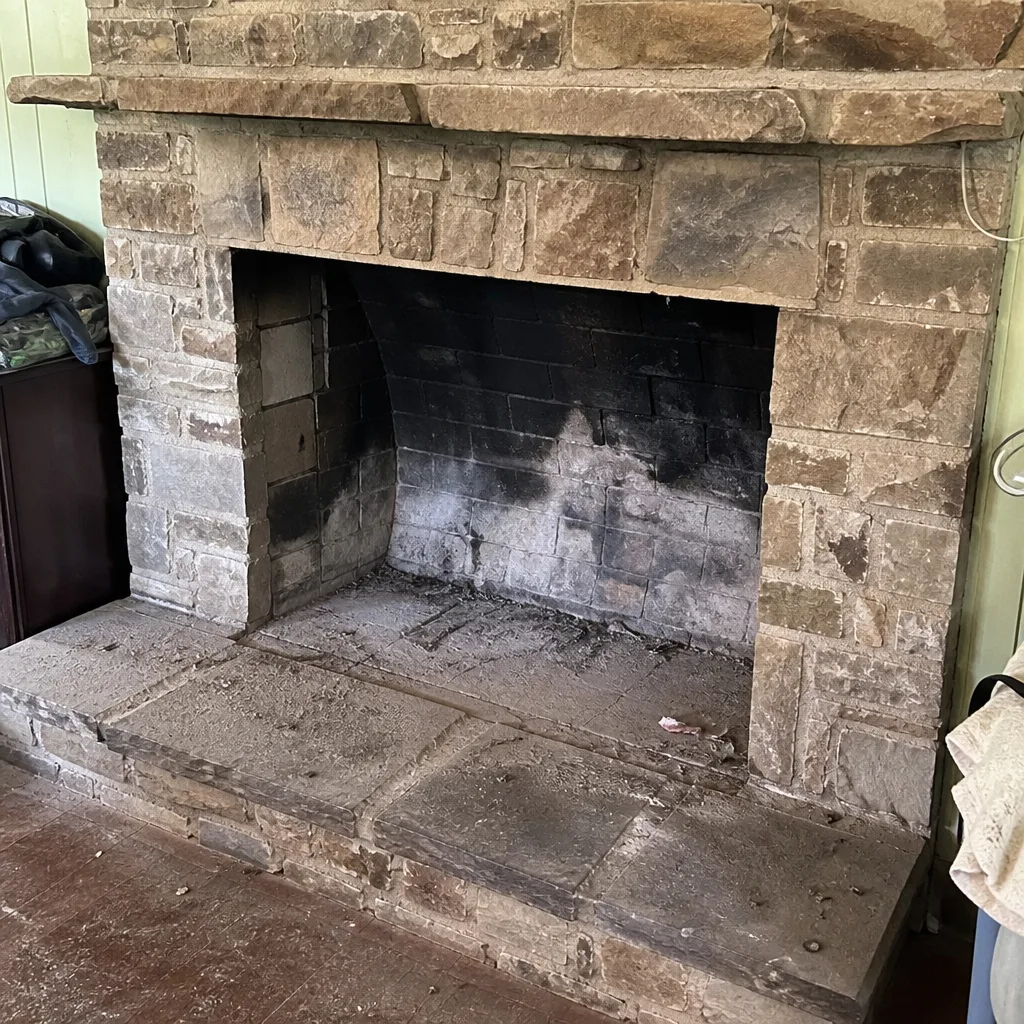 Before
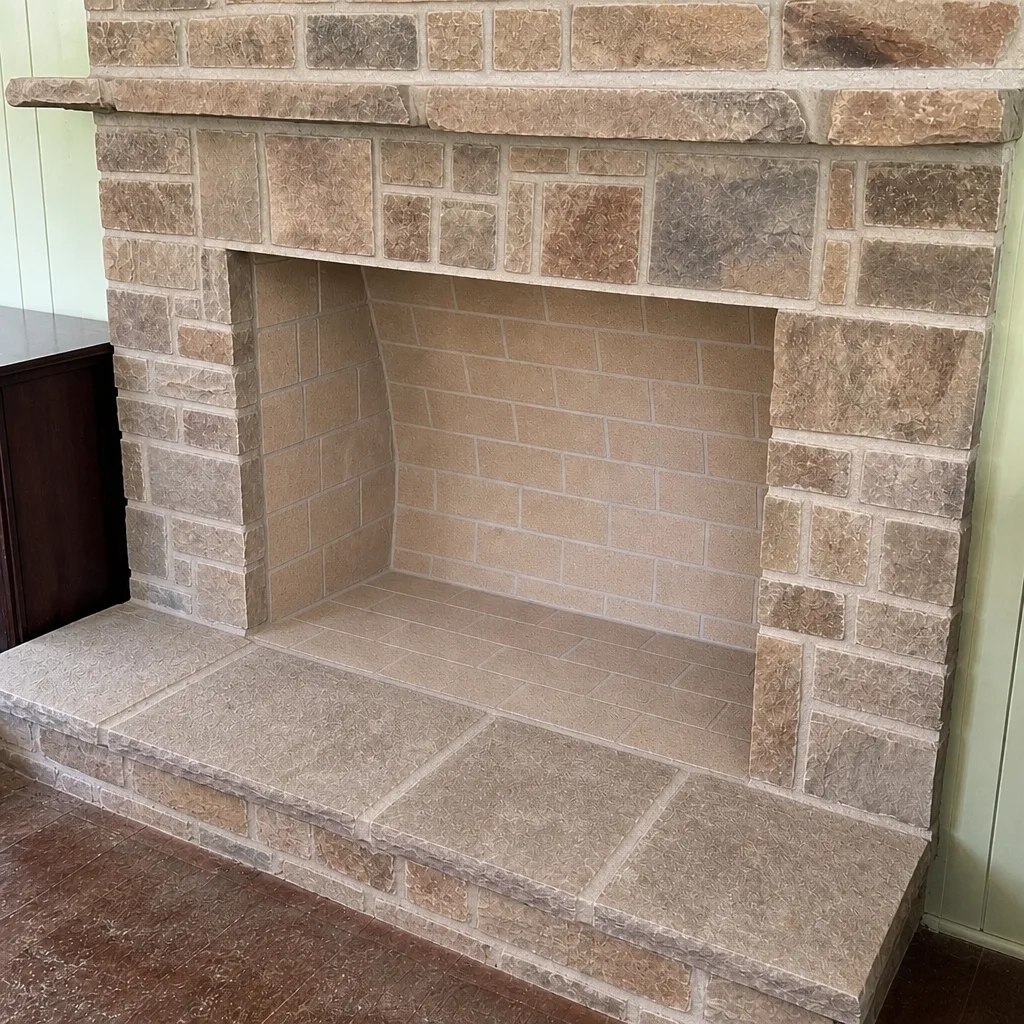 After
Common Mistakes to Avoid
- Burning through a warning sign. A smoke smell or a stiff damper is a prompt to investigate, not a quirk to live with. Keep burning and you turn a sweep into a repair.
- Assuming every smell means “sweep it.” A musty smell and an acrid smell point in different directions, and only one of them is primarily a cleaning issue. Match the symptom to the cause before you book.
- Patching exterior cracks with whatever’s in the garage. Sealing masonry with the wrong product traps moisture instead of keeping it out. The fix belongs at the crown and cap, not in a caulk tube.
- Skipping the cap because it “looks fine.” A rusted cap often looks acceptable from the ground. It’s the leading cause of water intrusion, so have it checked rather than eyeballed.
- Hiring a sweep-only company for a structural problem. If the flue tiles are cracked or the crown is failing, a cleaning won’t solve it. Make sure whoever you hire can diagnose and fix the whole system, not just the flue.
- Waiting until the first cold snap. Bellevue’s burning season arrives with the first real chill, and that’s when every chimney in town wants attention at once. Schedule in the warmer months so the work is done before you need the fireplace.
- Ignoring a damper that’s getting harder to move. A stiff damper is an early, inexpensive signal. Left alone, it can mean rust or warping that’s costlier to fix.
When to Call a Professional
Some checks are yours to do: a walk around the house, a look at the firebox, a test of the damper. But certain symptoms need a trained eye, and a few need one now. Call a professional if you smell acrid burning when nothing is lit, if smoke rolls back into the room even when the fire is hot, if anyone in the house gets headaches or drowsiness around the fireplace, or if you see cracked flue tiles, spalling brick, rust streaks or a damper that won’t open. These point to a system problem that cleaning alone won’t fix, and a specialist can read the full picture from cap to firebox. Chimney Sweep Bellevue offers free estimates in Bellevue. Call (855) 337-1241. We answer 24/7. Fast dispatch from 7am to 7pm, Sunday through Friday. The written estimate sets the final price, and nothing gets recommended without photo evidence you can see for yourself.
Frequently Asked Questions
The most common signs we see are a campfire smell in the off-season (creosote buildup), white efflorescence or rust streaks on the exterior (water intrusion at the cap), and a damper that has become hard to operate. Smoke rolling into the room and soot around the firebox opening are the next most frequent, and both usually point to a draft or obstruction problem. Any of these is a prompt to schedule an inspection. Call (855) 337-1241 for an exact quote; estimates are free.
Usually yes. A smoky, campfire smell when nothing is burning is the classic sign of creosote buildup in the flue. The residue off-gasses in warm, humid weather and the smell drifts into the house. A sweep clears it and lets us check the rest of the system at the same time. Call (855) 337-1241 to book one.
Smoke rolls back into the room when the flue is blocked or the draft is being overpowered. Common causes are creosote or debris in the flue, a cold chimney column that needs warming, exhaust fans pulling air out of the house, or a breach in the flue liner. If it happens even when the fire is hot, treat it as an obstruction until a professional has inspected the flue. Call (855) 337-1241.
White powdery staining, called efflorescence, means moisture is moving through the masonry and leaving mineral deposits behind. It’s an early sign that water is getting in at the top, usually past a failing crown or cap. It’s not a cleaning issue; it’s a water-intrusion issue. A cap and crown repair stops the cycle. Call (855) 337-1241 for a free estimate.
A rusted cap needs attention soon but isn’t a same-day emergency in most cases. The concern is that a rusted cap has usually stopped doing its job of keeping rain and animals out, which lets water into the flue and masonry. Have it checked at your next inspection, and schedule the replacement before the wet season. Call (855) 337-1241 to book it.
Some symptoms can wait a short while, but smoking, acrid smells, cracked flue tiles and any headache or drowsiness around the fireplace should not be ignored. Those point to draft or combustion-gas problems that get worse, not better, with continued use. If you’re unsure, stop using the fireplace and have it looked at. Call (855) 337-1241.
The Bottom Line
A chimney doesn’t fail without warning. The campfire smell, the acrid smell, the musty smell, the white stain on the brick, the rust streak from the cap, the damper that fights back: each one is a specific message about a specific part of the system. The skill is in reading them early and knowing which need a call today and which can wait for a scheduled sweep. Schedule the routine work before burning season, treat smoke, acrid odors and visible flue damage as urgent, and fix water problems at the top of the chimney before they spread. A Bellevue homeowner who reads these signs has one real advantage: time. The system tells you first; the only question is whether you’re listening.
Written by the team at Chimney Sweep Bellevue.