
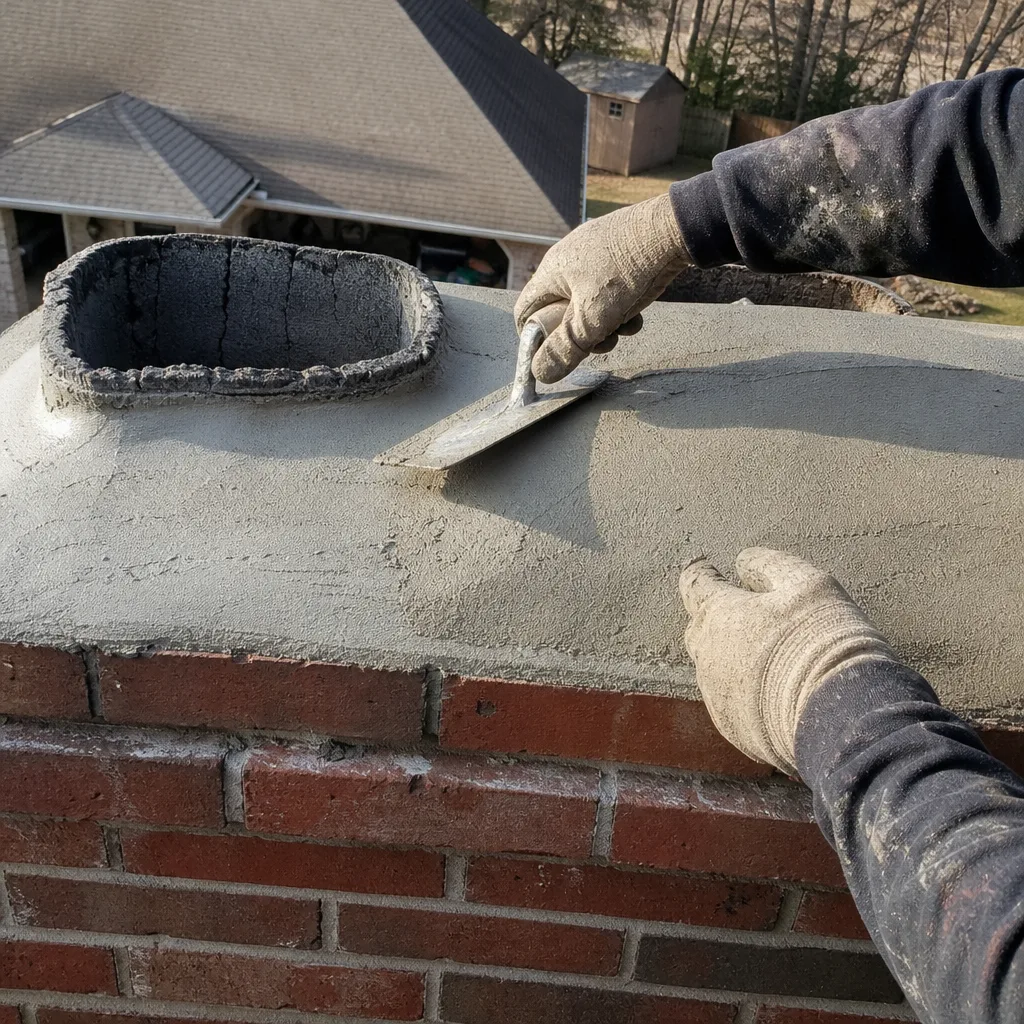
Last updated November 25, 2026
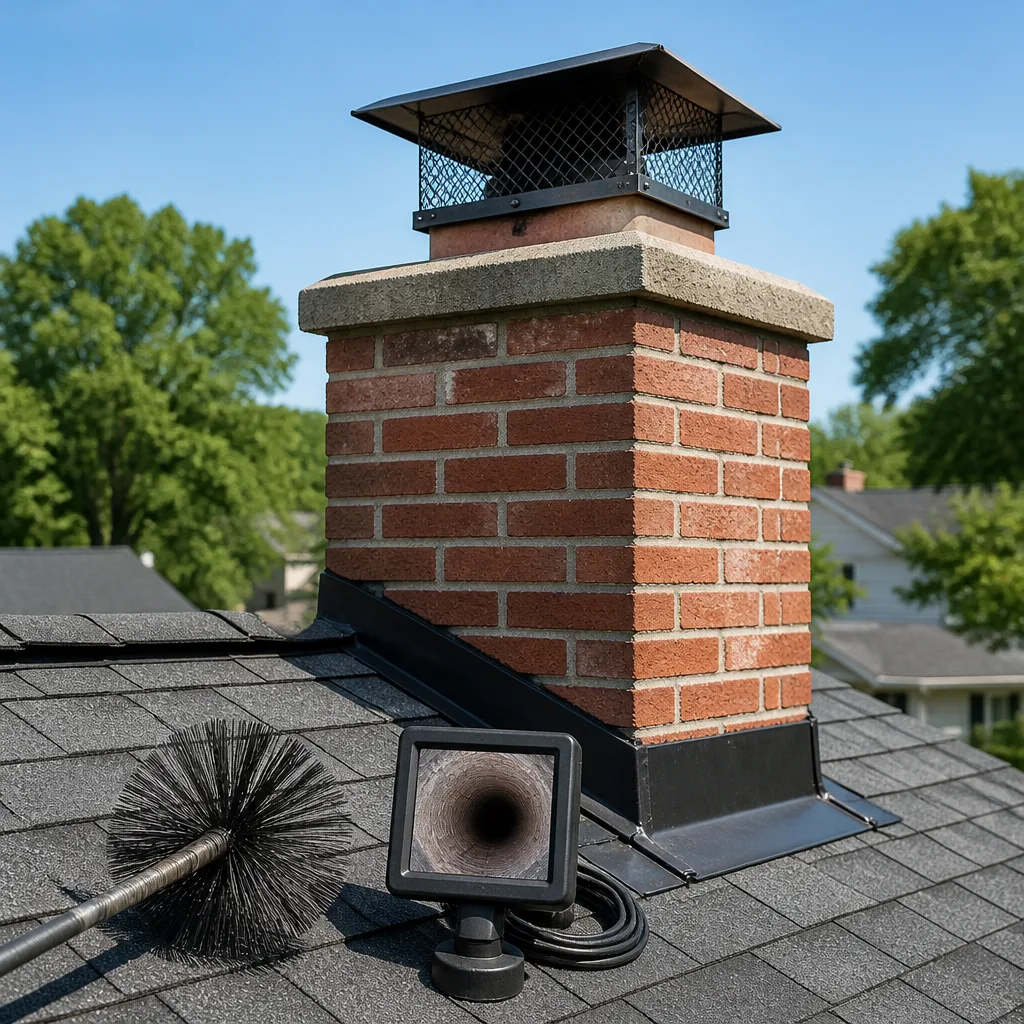 Sweep & inspection
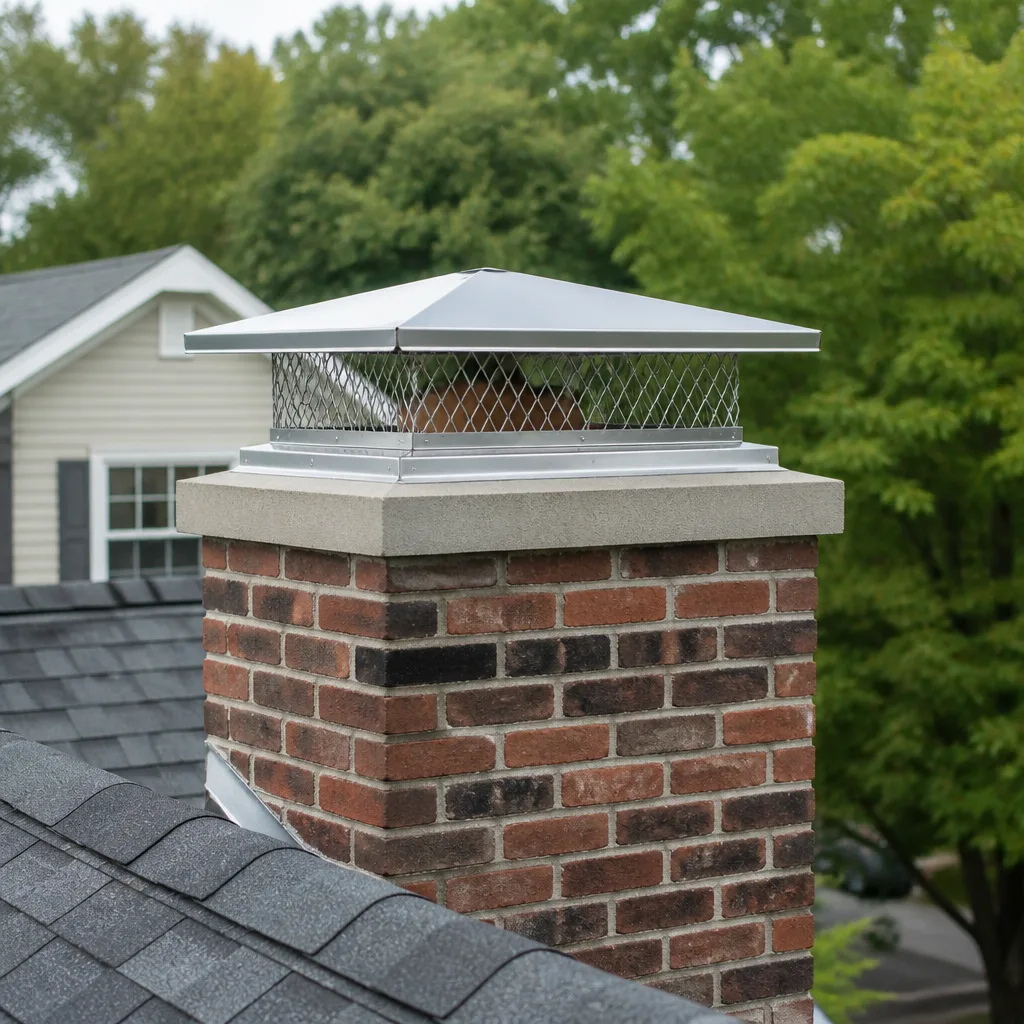 Caps & crowns
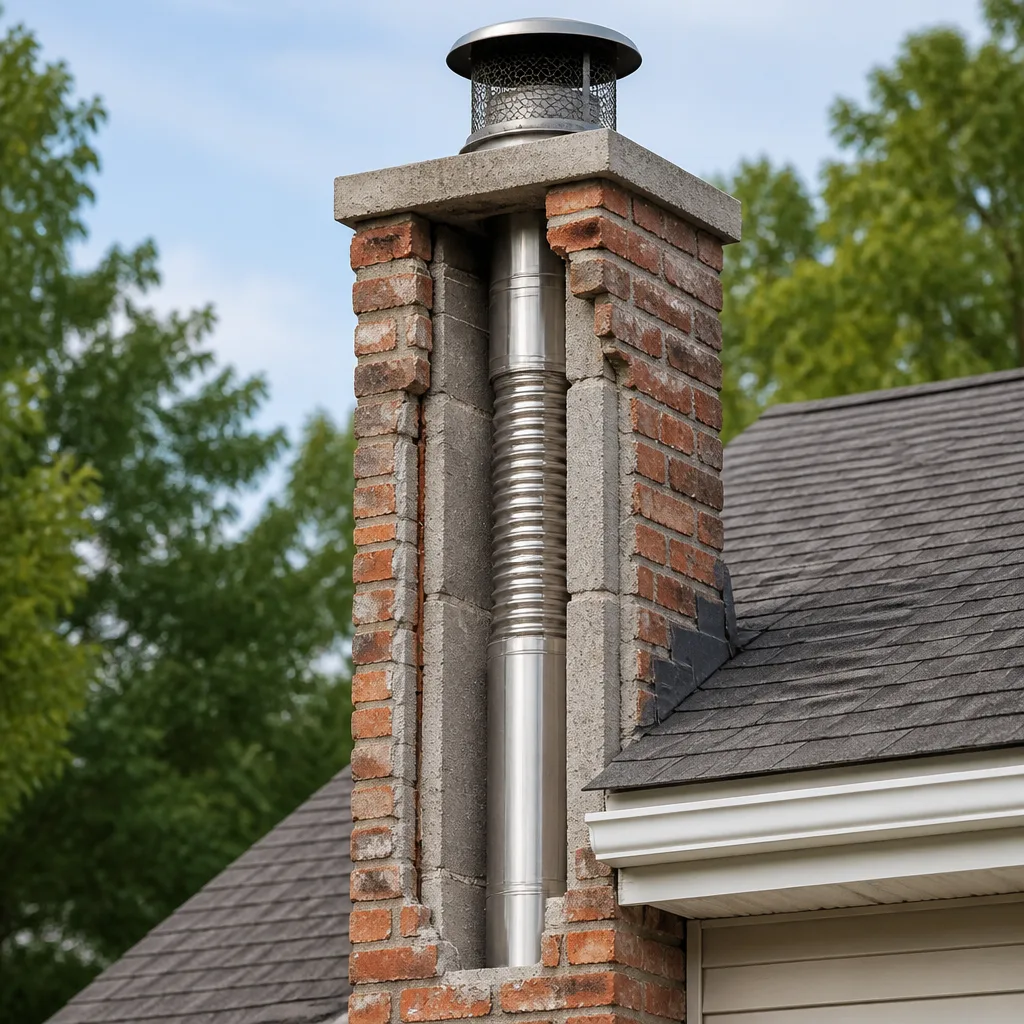 Flue relining
 Masonry repair
 Gas fireplace service
Level 1 sweep and inspection to the NFPA 211 annual standard - flue, crown, cap, and flashing checked and photographed
Chimney sweep logs do not sweep chimneys. They loosen some creosote - which then falls where a brush and vacuum still have to collect it.
Seasonal Chimney Cleaning Care for Bellevue: Year-Round Homeowner’s Guide
Most Bellevue homeowners treat a chimney sweep as a single annual chore, usually squeezed into the week before the first fire. The trouble is that a chimney is a system with four distinct seasons of wear, and the tasks that actually keep it safe don’t all belong to one month. Summertime is when animal intrusion and condensation quietly damage a flue that sat idle. Winter is when draft problems tell you what’s wrong inside. Spring is when freeze-thaw cycles crack exterior masonry, and late summer is the smartest window for structural repairs. This guide walks Bellevue homeowners through each season, what to check when, and why assigning the right task to the right month prevents the expensive problems we see most often.
Quick Answer
Effective chimney care in Bellevue follows the calendar: clean and inspect in early fall before the first fire, monitor draft and smoke behavior in winter, check exterior masonry and moisture in spring, and schedule repairs, liner resurfacing, and waterproofing in summer. Splitting these tasks by season protects the flue better than one annual sweep, because each piece of the system fails on its own timeline. If you do only one thing, book the pre-season inspection in September or October, when a neglected flue is most likely to cause trouble.
Styles & brands we work with
- Sweep & inspection
- Caps & crowns
- Flue relining
- Masonry repair
- Gas fireplace service
Table of Contents
- Why Bellevue’s Climate Demands a Seasonal Approach
- Fall (September – October): Pre-Season Cleaning and Inspection
- Winter (November – February): What to Monitor During Active Use
- Spring (March – April): Post-Season Inspection Priorities
- Summer (May – August): The Best Window for Structural Work
- How Moisture Accelerates Liner Deterioration
- A Month-by-Month Chimney Care Calendar
- Common Mistakes to Avoid
- When to Call a Professional
Why Bellevue’s Climate Demands a Seasonal Approach
Bellevue sits in a humid subtropical climate. That phrase matters more to your chimney than most homeowners realize. Long, warm summers mean a firebox sits unused for months at a time, and warm humid air can move through an idle flue the same way it moves through the rest of a house. When that air cools inside the chimney, moisture condenses on the flue tiles. Add the acidic byproducts left behind from last winter’s creosote, and you get a slow chemical attack that eats at masonry and mortar from the inside. In a drier climate this is a mild concern. In Bellevue, it’s one of the leading contributors to liner deterioration.
The other Bellevue factor is swing. Winters here bring plenty of cold nights but also mild stretches, so fires burn in bursts rather than continuously. Every cold start and cool-down sends the flue through a thermal cycle. The metal and masonry expand and contract, and small cracks widen a fraction of a millimeter each time. Over several seasons those hairline cracks become pathways for moisture and, worse, for carbon monoxide to escape into the home.
Our technicians have up to 15 years of experience, and the pattern is consistent: chimneys in Bellevue that get inspected on a seasonal rhythm show far fewer liner problems than chimneys that only get a sweep. We inspect the full system, not just the firebox, because the damage usually starts where the homeowner can’t see it. The camera tells the story. So does the calendar.
What follows is the seasonal framework we recommend to Bellevue homeowners. It assumes a wood-burning fireplace or insert, but the same logic applies to gas units, where the moisture issues are actually more pronounced.
Fall (September – October): Pre-Season Cleaning and Inspection
The busiest time for chimney fires isn’t the coldest week of January. It’s the first real cold snap in October, when systems that sat idle all summer get fired up without inspection. That’s the reason fall is the highest-value window in the whole chimney-care year. A pre-season chimney sweep and inspection catches summer damage before it meets a winter fire, and it gives you time to fix anything the inspection finds before you actually need the fireplace.
Here’s what to check after a summer of inactivity, in order:
- Animal intrusion. Squirrels, birds, and raccoons love an open flue. Check the cap first, then look for nesting material lodged in the flue. A blocked flue is a carbon monoxide hazard on the very first fire.
- Liner condensation damage. Look for flaking mortar at the smoke chamber and any white staining on the firebox rear. Both suggest moisture has been working on the liner all summer.
- Damper corrosion. The damper plate should move freely. If it’s stiff, seized, or flaking, a wood-burning system can’t draft properly, and smoke will spill into the room.
- Creosote load. Last winter’s creosote sits until it’s swept. Glazed creosote is the ignition risk, and the inspection is where it gets identified.
- Cap and crown condition. Cracks in the mortar crown and a loose or missing cap are the classic water entry points heading into rain season.
Fall is also the season when inspection standards matter. Annual inspection aligns with NFPA 211 recommendations, which most certified professionals follow. If you haven’t had the chimney looked at since last winter, the pre-season window in Bellevue is when to schedule it. Book early, because September and October fill up quickly as homeowners wake up to the coming fire season.
Winter (November – February): What to Monitor During Active Use
During active burning, the chimney is essentially in motion. Airflow, temperature, and combustion conditions change with every fire, and the way the system behaves tells you what’s happening inside. Winter is monitoring season, not cleaning season. The work here is observation, and each symptom points to a specific problem worth investigating.
What to watch for and what it means:
- Smoke rollback. If smoke spills into the room when you light a fire, the flue isn’t drafting. Common causes are a blocked flue, a cold flue, or a chimney that’s too short for the firebox. Persistent rollback is a professional call.
- Weak, lazy draft. A fire that struggles to draw, or keeps going out, usually means airflow restriction somewhere in the system. The fire needs the chimney to pull; if it can’t, something is in the way.
- Odor changes. That acrid smell when the fireplace isn’t burning is called stack effect. It usually means creosote buildup, but a stronger or different odor after a new installation can signal a liner issue. Sudden changes are the ones to investigate.
- Puffing or popping. Small explosions in the firebox suggest poor combustion and air starvation. Worth reading as a sign the system needs attention.
- Excess smoke from the top. Visible smoke from a fire you didn’t expect to be smoky points to a draft or blockage issue.
- Cracks in the firebox brickwork. Hairline cracks in the firebrick should be monitored. They widen under repeated heating. If a crack threatens the firebox integrity, stop using the fireplace until it’s inspected.
One caution about winter monitoring: current chimneys handle their peak loads in the coldest weeks, and a fully loaded fire generates the highest flue temperatures of the year. A creosote-glazed flue that survived fall is at its riskiest now. If you skipped the fall inspection, the winter chimney is why it matters.
If the fireplace is behaving differently than last winter, or a symptom shows up that you can’t explain, that’s when to have the system looked at. Sort out whether it needs a sweep or a repair. We answer 24/7 at (855) 337-1241 if a problem comes up mid-season.
Spring (March – April): Post-Season Inspection Priorities
Spring is when you close the book on winter. After the fireplace has run for the season, this is the window for the post-season inspection, and it’s the ideal time to catch damage before summer heat and humidity rush in. Two priorities lead the list: exterior masonry and moisture.
The freeze-thaw cycle is the main spring threat. Bellevue winters swing between freezing nights and mild days, and every cycle drives water into masonry pores, then freezes and expands. The result is spalling, where the outer face of a brick or chimney flake peels away. On the exterior, look at:
- Mortar joints. Crumbling, sandy, or missing mortar between bricks. That’s where water gets in.
- Spalling brick faces. Peeling or pitted brick faces that expose the softer core.
- Tile spalling. If your chimney has visible clay flue tile on the exterior, look for flakes and shards around the base of the stack.
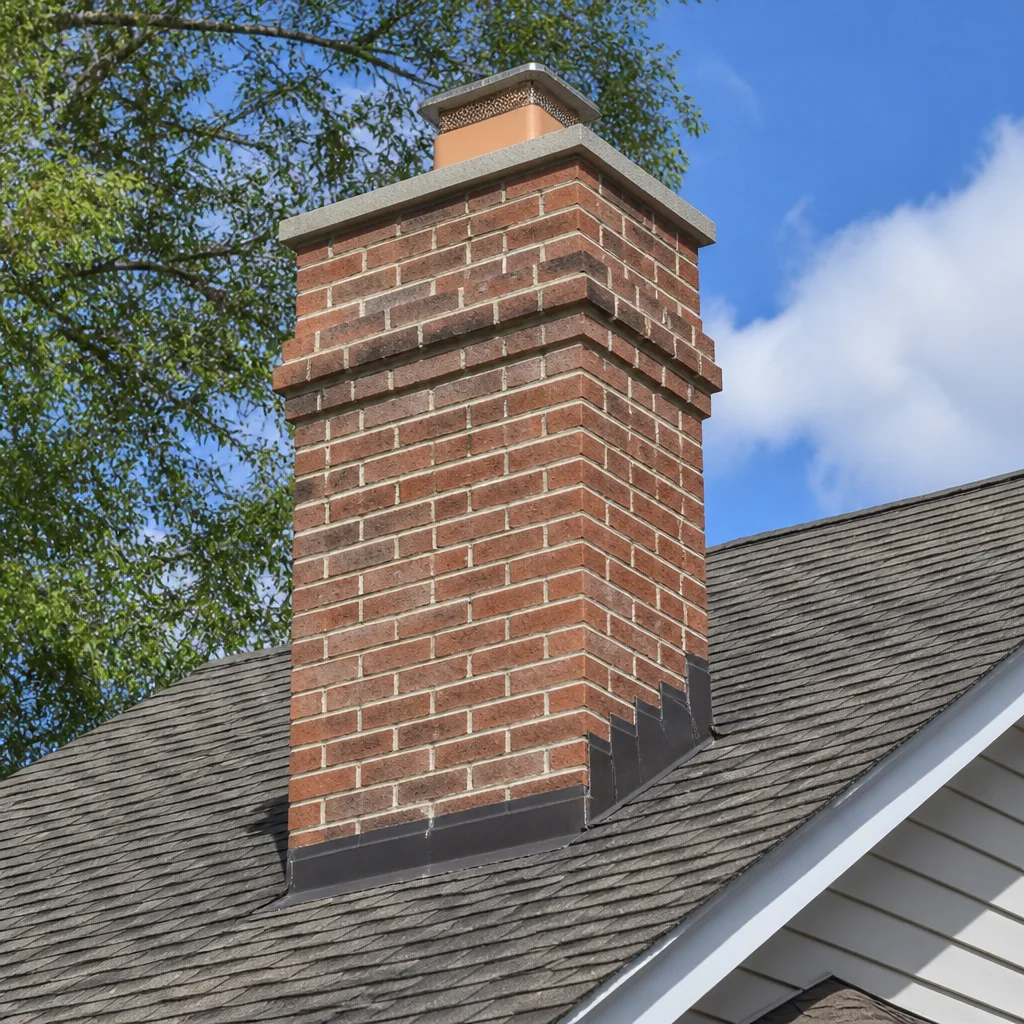
- Crown cracks. The concrete cap at the top should shed water, not catch it. Cracks in the crown are the path to expensive damage. Our chimney cap & crown work addresses this before it spreads.
- Flashing. The metal where the chimney meets the roofline. Look for lifting, gaps, or rust.
Roof inspection is not our service, and we don’t climb roofs to assess flashing, but we’ll tell you what we see from the chimney side. If the flashing looks suspect, you want a roofer. The distinction matters: we handle the chimney as a system, including the crown, cap, and flue. Roofing is somebody else’s trade.
Spring is also the season to check for water intrusion inside. Water stains on the smoke chamber, rust on the damper, and dampness in the firebox after a storm all point to the same problem: water is getting in from the top. That’s a cap, crown, or flashing issue, and it needs a fix before summer humidity makes it worse. A post-season inspection now prevents the more expensive repair later. If you want the full picture after the winter season, that’s when we’d recommend the inspection. Free estimates are available in Bellevue.
Summer (May – August): The Best Window for Structural Work
Summer is the wrong time to leave the chimney alone. It’s the right time to fix it. Once the fireplace is out of service for the season, structural and liner work can be done without any disruption to how you live. Wall access, if needed, doesn’t interfere with heat. Wet work like mortar can cure properly in the warm air. And the scheduling is easier: the fall panic hasn’t started. Empty calendars mean more time for each job and work done right, not rushed.
Here’s what’s best handled in summer:
- Chimney relining. Full relining with a flexible system like DuraFlex covers older or irregularly shaped flues that rigid liners can’t fit. It’s a substantial job, and summer gives it room to cure without a fire in the box. We install DuraFlex flexible liner systems, the flexible liner used in chimney relining across the trade.
- Liner resurfacing. HeatShield resurfacing can restore damaged flue tiles without demolition, and this product-specific restoration process is one most sweep-only companies can’t offer. Summertime is the natural window for it, since the flue can sit quiet while the product cures.
- Crown and cap replacement. New Gelco and Famco crown and cap work needs favorable weather to cure flat and seal correctly. Summer is the season for it.
- Waterproofing. Not a coating, but a breathable masonry water repellent applied to the chimney exterior. It slows the water penetration that accelerates season-to-season damage. Summer application is the right sequence: fix, then seal.
The financial argument holds up too. Scheduling structural work in the summer is usually less expensive than the same job in the fall crunch, because demand is lower and jobs aren’t competing for a spot in the calendar. We can also work the repair tiers in order: resurfacing first where it’s a viable alternative to a full rebuild, and full relining only when the flue actually needs it. Restore before you replace when the liner allows it.
If you’re a potential buyer or seller in Bellevue, summer is also the right window for a pre-purchase chimney inspection. Once the home inspection comes back, a certified chimney inspection gives you a clear scope before negotiation. That’s Chimney Sweep Bellevue territory, and the information goes both ways: a seller can have the report in hand and get the work done early while there’s time.
How Moisture Accelerates Liner Deterioration
Return to the humid subtropical point, because it’s the engine behind most Bellevue chimney damage. The inner flue surface is porous. Water vapor from the air, from rain entering a bad cap, and from the moisture in combustion gas all condenses on the inside of the flue when the chimney cools. That condensing water mixes with sulfur compounds and creosote from the fire, and the result is acidic water sitting against the flue tiles for successive seasons.
Over time you get a cascade:
- Mortar between flue tiles softens and erodes.
- Spalling and flakes appear in the flue lining.
- Hairline cracks widen into full breaks, which allow heat and carbon monoxide to reach the framing or the room.
In a drier climate, the flue has more dry time between moisture events, and damage accumulates more slowly. In Bellevue’s humid air, that dry time is shorter. With a wood-burning fireplace used heavily, the inside of the flue can spend the entire summer damp after a fall and spring without inspection. This is the specific reason we treat early fall as a non-negotiable stop for a proper inspection and cleaning job.
The fix follows from the diagnosis. A full sweep removes the creosote and the buildup. A cap and crown replacement stops the incoming water. HeatShield resurfacing restores the flue surface that has begun to break down, sealing the surface against further attack and avoiding a full teardown. And a waterproof coating limits the penetration of the exterior. Each step addresses a stage in the moisture chain, and each stage is cheaper than the one after it.
Our technicians have up to 15 years of experience. In that time we’ve come to treat moisture as the leading cause of long-term chimney deterioration. Caps and crowns prevent water from entering at the top. That’s not a detail. It’s the start of every moisture problem and the end of one.
A Month-by-Month Chimney Care Calendar
Here’s the whole year, condensed. Use it as a checklist and match it to the way you actually use your fireplace.
- September – October: sweep and inspect. Pre-season cleaning and inspection before the first fire. Check the cap, flue, damper, and creosote. Confirm draft on the first burn.
- November – February: monitor. Watch for smoke rollback, weak draft, odor changes, and firebox cracks. Book a call if anything changes mid-season.
- March – April: post-season inspection. Look for spalling, cracked mortar, crown cracks, and water stains. This is the window to catch moisture damage before summer.
- May – August: structural and liner work. Relining, resurfacing, crown and cap work, and waterproofing. The fireplace is idle and scheduling is easy.
- Every month, plus every storm: check the cap. A missing or damaged cap means open access for animals and water. The cap is your first line of defense.
Notice that the calendar isn’t four clean phases so much as a rhythm. The system works as a whole. Fall backs up spring, and summer repairs what the winter exposure revealed. Miss one window and the next one catches the consequence. A fireplace that gets an early fall sweep, a spring check, and summer weatherproofing lasts longer than a chimney that gets a rushed October sweep alone.
If you ever lose track of the calendar, the safe default is to book an inspection. An inspection tells you the current condition, and from there we walk the repair scope with you. The written estimate sets the final price.
Common Mistakes to Avoid
- Assuming one annual sweep is enough. The pre-season sweep cleans the flue. It doesn’t check the exterior masonry after winter, the cap after the season, or the crown heading into summer rain. Split the tasks by season.
- Skipping the cap entirely. The cap is a first line of defense against water, and a missing cap invites animals in for a summer den. In a humid Bellevue summer, condensation plus open access makes this compound into a real problem.
- Firing up in October without a pre-season inspection. The common failure is a fireplace lit before the flue is checked for nesting material, blocked flue, or a damaged liner. That’s a carbon monoxide hazard dressed up as a cozy fire.
- Treating cracks in exterior brickwork as an aesthetic issue. Spalling and cracked mortar are not just appearance, they’re where water enters. Once water gets in, the repair bill climbs fast. That’s why we recommend an inspection after the freeze-thaw season rather than a cosmetic patch.
- Choosing a sweep-only service for a system job. A company that cleans but won’t inspect and address the chimney, crown, cap, and liner can’t fix what it finds. That’s why this work benefits from a specialist who handles everything from sweep to structural work without extra coordination.
- Putting off structural work to the fall. Scheduling a relining or crown replacement in September means waiting behind the seasonal rush and doing the job in bad weather. Summer is the right window for structural and liner work.
- Reading odor or draft changes as harmless. Draft problems, odor, and no-draft behavior are early warnings. Reading them as quirks to ignore is how a small issue becomes a real chimney repair.
When to Call a Professional
Call a professional if the fireplace shows any behavior change: smoke rolling into the room, a flue that won’t draft, a strong odor when it isn’t burning, visible cracks in the firebox, or water stains anywhere near the chimney. Call if the cap is damaged or missing, if you see spalling brick after winter, or if the flue needs to be evaluated before you use the fireplace again. If you’re buying or selling a home in Bellevue, a certified pre-purchase chimney inspection gives you a clear, honest scope rather than guesswork.
Know when to wait: minor soot on the firebox is normal, and a hairline crack in the firebox mortar is not automatically a teardown. A professional should walk you through the findings with camera evidence so you can make the call yourself. Nothing is recommended without evidence you can see, and we say plainly when work can safely wait.
Chimney Sweep Bellevue offers free estimates in Bellevue. Call (855) 337-1241. We answer 24/7. Fast dispatch from 7am to 7pm, Sunday through Friday. We work with the local pro who’s licensed and insured as their state requires, and the estimate is flat, agreed before booking. Call for an exact quote.
See the difference
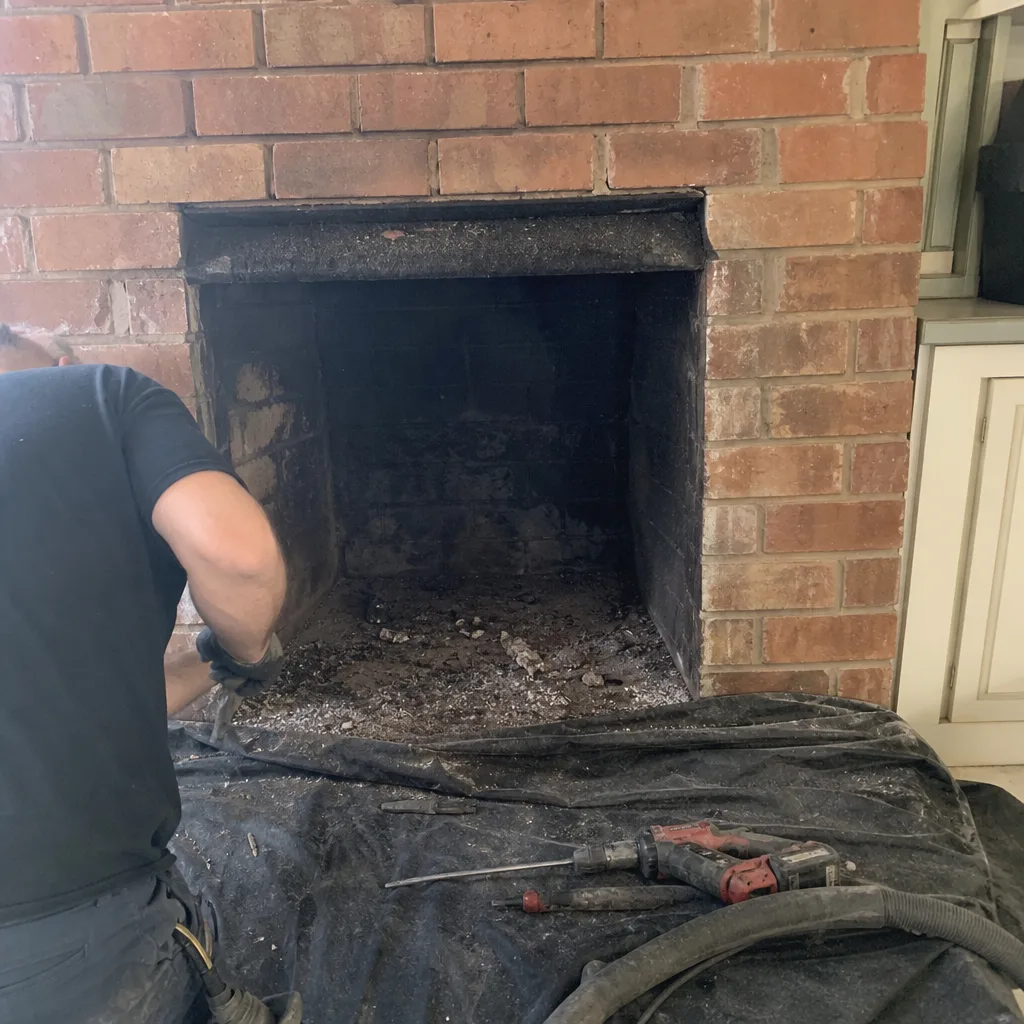 Before
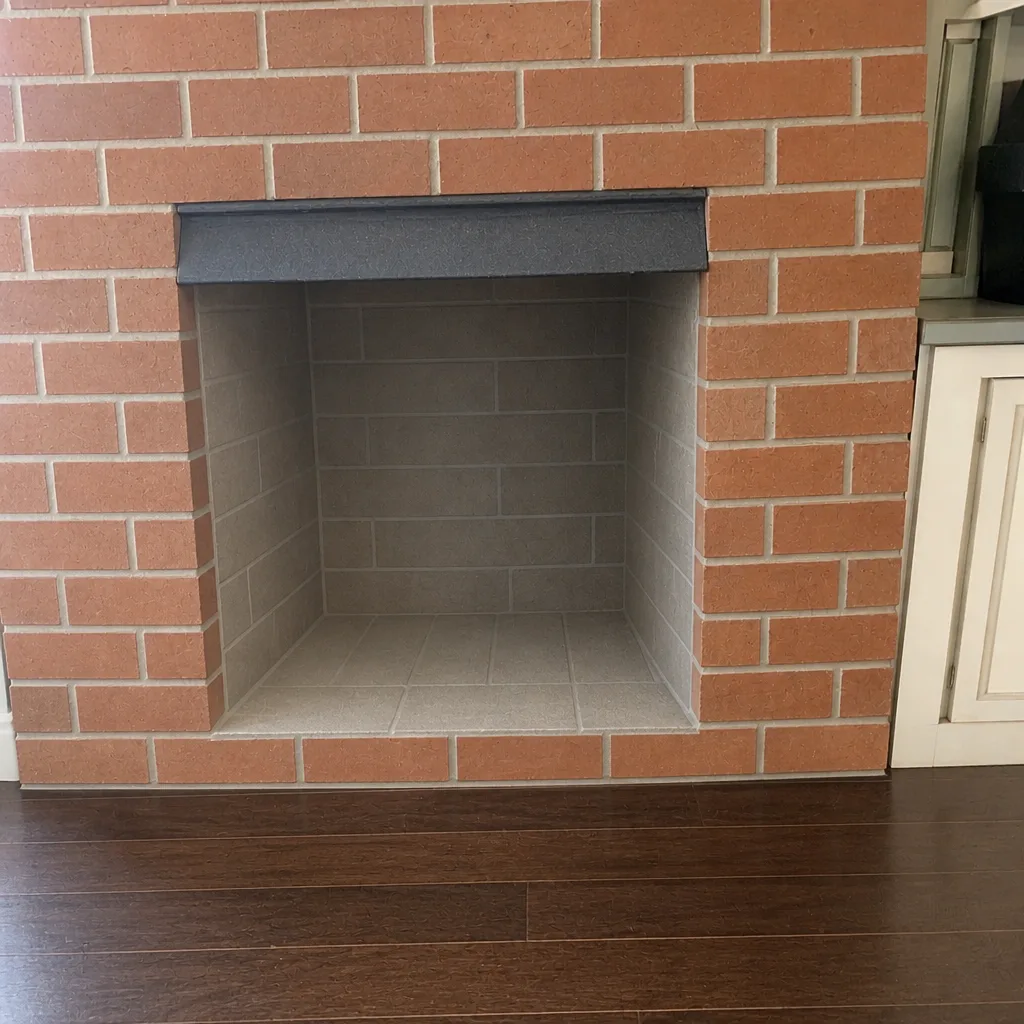 After
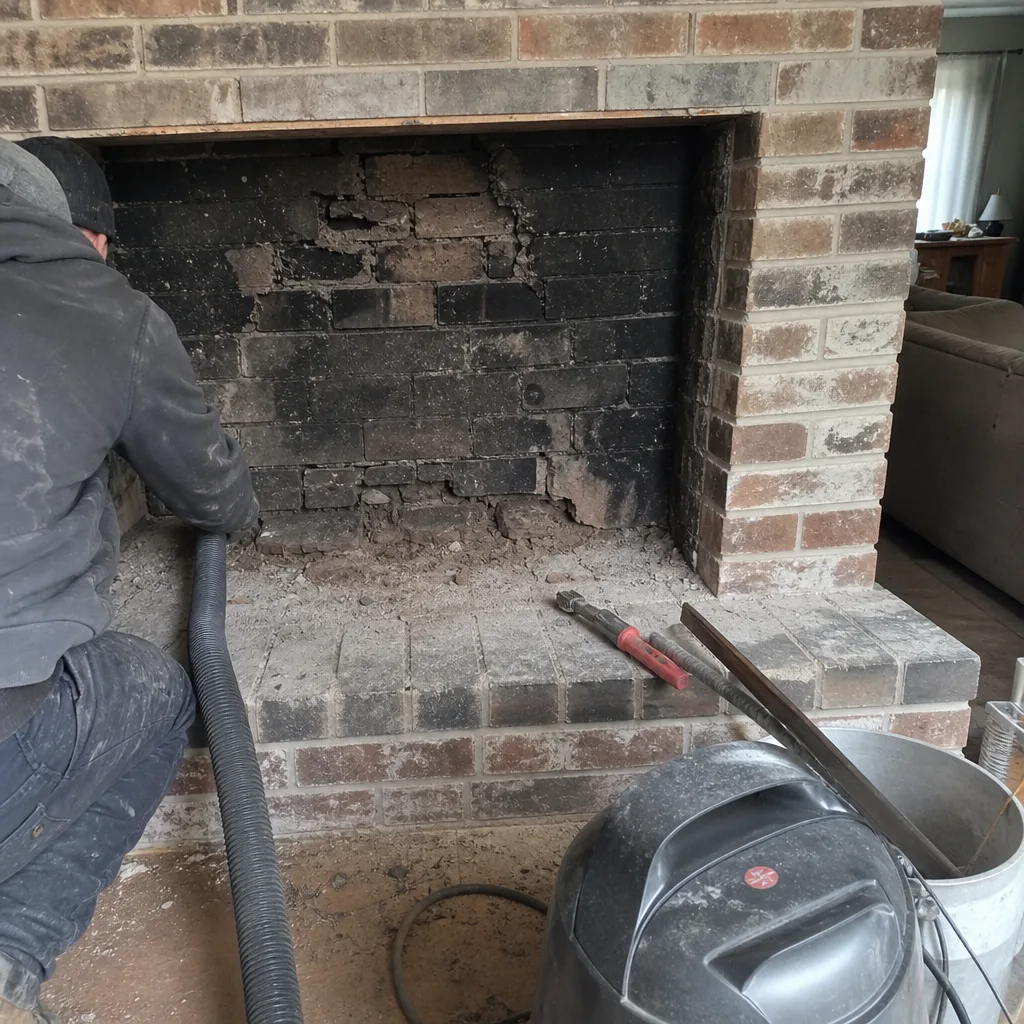 Before
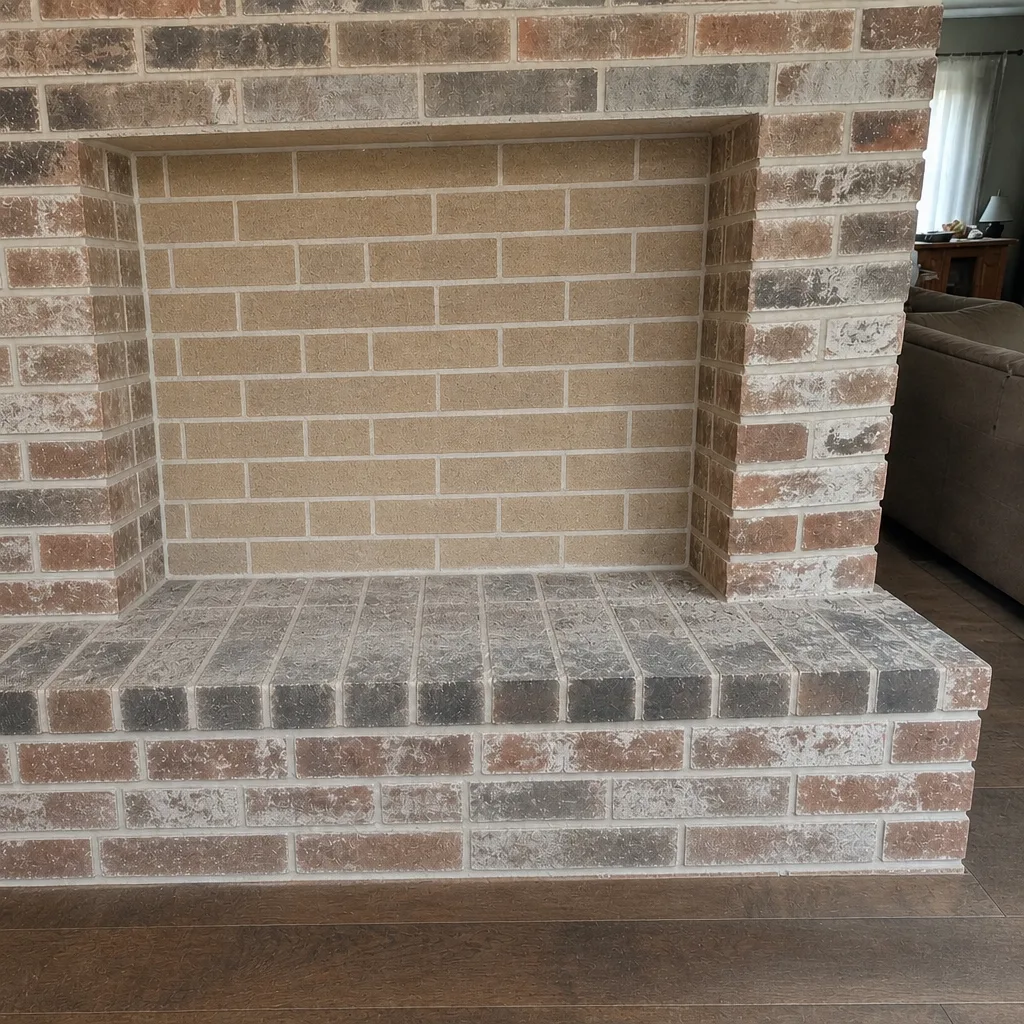 After
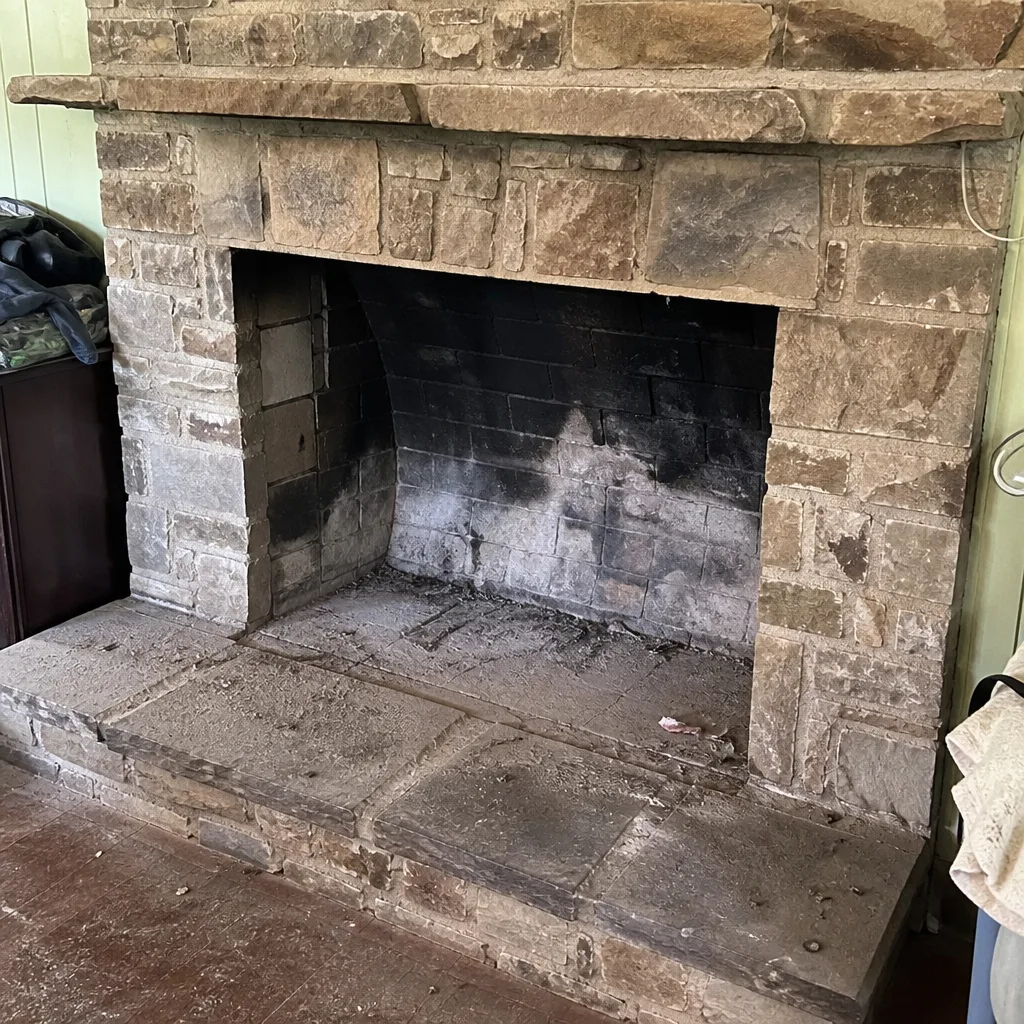 Before
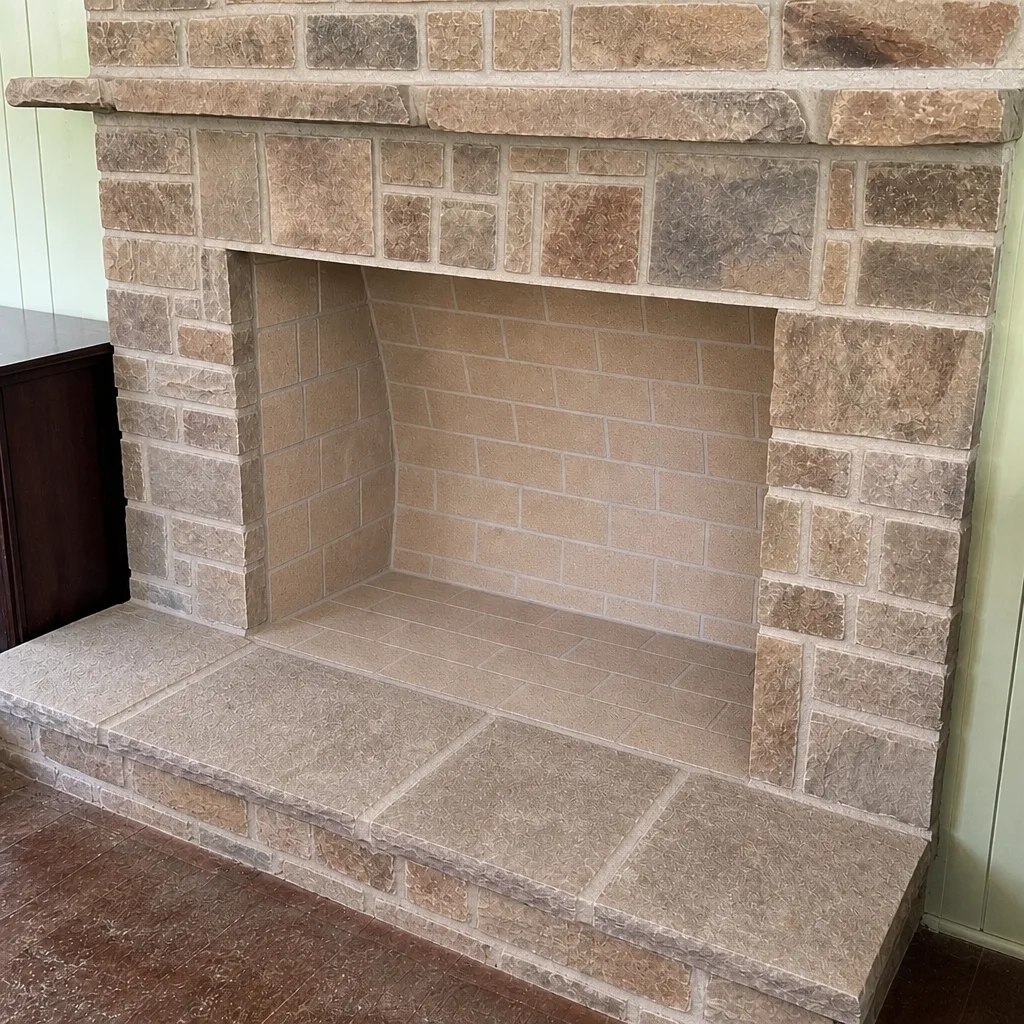 After
Frequently Asked Questions
A wood-burning chimney should be swept once a year, and more often if you burn a lot of fires between sweeps. The seasonal rhythm matters as much as the count: sweep in early fall before the first fire, and inspect in spring after the season ends. In Bellevue’s humid climate, an annual sweep plus an annual inspection is the standard, not just a single cleaning. Call (855) 337-1241 for an exact quote, and estimates are free.
Most damaged flues don’t need a full liner replacement, and HeatShield resurfacing can restore many of them without demolition. A sweep is not enough if the flue tiles have cracks, spalling, or gaps in the mortar. The right answer comes from a camera inspection, not a guess. Nothing is recommended without evidence you can see, and we say plainly when work can safely wait. Call (855) 337-1241 for an exact quote, and estimates are free.
Because systems sit idle all summer and get fired up in October without inspection, when a blocked flue or creosote buildup meets the first cold snap. That’s the reason pre-season inspection is where the real value is. Fires that start here aren’t usually the coldest-week problem, they’re the first-lit problem. Get the inspection in September or early October, before the rush. Call (855) 337-1241 for an exact quote, and estimates are free.
The humidity is what makes the difference. Bellevue’s humid subtropical air keeps the inside of an idle flue damp for months, and that moisture combines with creosote residue to accelerate liner deterioration and masonry spalling. In a drier climate the flue dries out faster between seasons. Here, a summer-inspected, weatherproofed roof-to-flue system deteriorates more slowly than an unmonitored one.
We handle the full scope in one place: inspection, sweep, relining, crown and cap work, fireplace repair, and chimney repair. We install professional-grade brands like DuraFlex, HeatShield, Gelco, Olympia Chimney, Famco, and Copperfield, the trade-spec products the trade relies on. One call covers it. Call (855) 337-1241 for an exact quote, and estimates are free.
Creosote builds up and the risk of a chimney fire climbs. Moisture works into the masonry, mortar joints crumble, and small cracks widen with each thermal cycle. None of this is dangerous overnight, but it all gets more expensive as it waits. A professional will be honest about what can safely wait and what can’t. Call (855) 337-1241 for an exact quote, and estimates are free.
The Bottom Line
Chimney care in Bellevue is a year-round rhythm, not a single October errand. Fall gets the pre-season inspection so a neglected flue doesn’t meet the first fire. Winter gets your attention so draft problems and odor changes get reported early. Spring gets the post-season check, when spalling, cracked mortar, and moisture problems are visible. Summer gets the structural work: relining, HeatShield resurfacing, crown and cap replacement, because the fireplace is idle and the calendar is open. Do these four things and the chimney holds up to the humidity and freeze-thaw cycles that make this climate hard on masonry. It’s the full system, top to bottom, and it’s cheaper than the alternative.
Call (855) 337-1241 for a free estimate. We answer 24/7. Fast dispatch from 7am to 7pm, Sunday through Friday. One call covers inspection, sweep, fireplace repair, cap and crown, and liner work from a specialist who handles the whole system, not just the sweep.
Written by the team at Chimney Sweep Bellevue.