
Last updated November 25, 2026
 Sweep & inspection
 Caps & crowns
 Flue relining
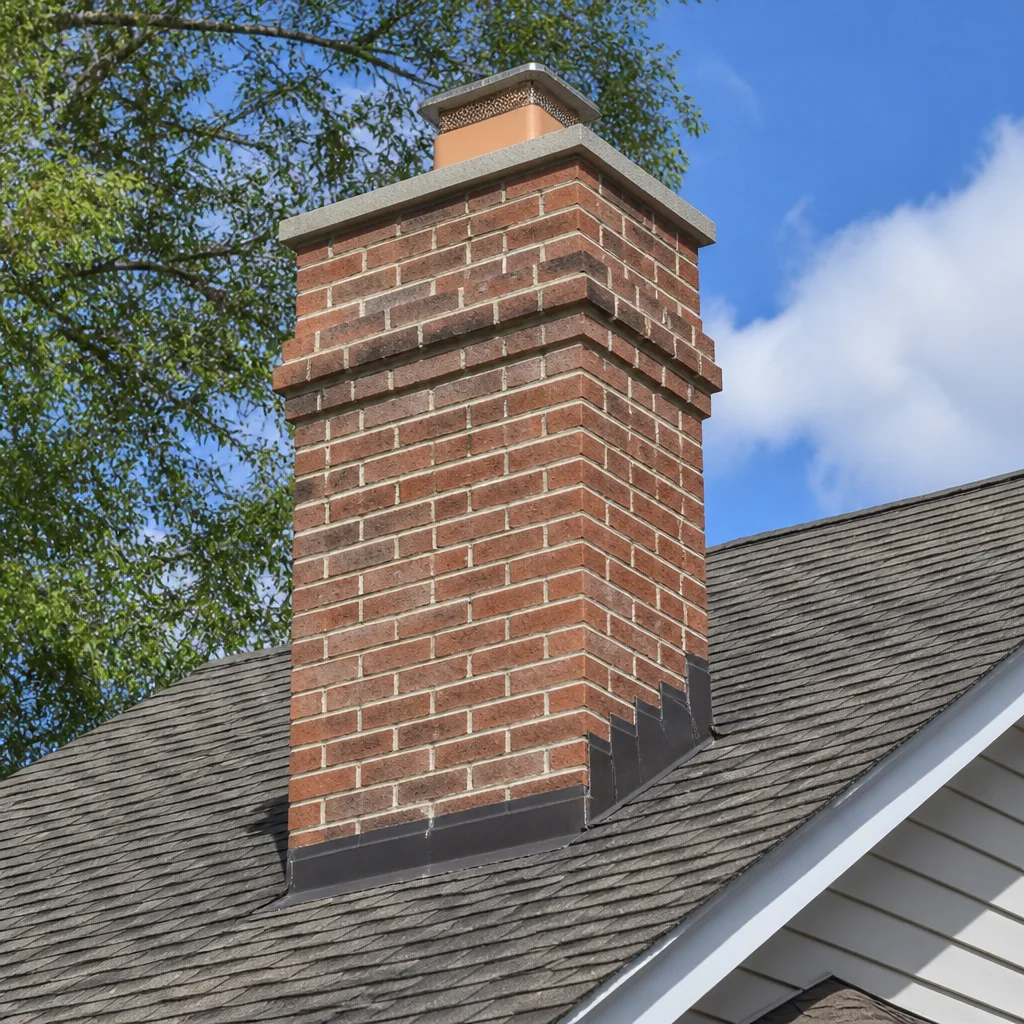 Masonry repair
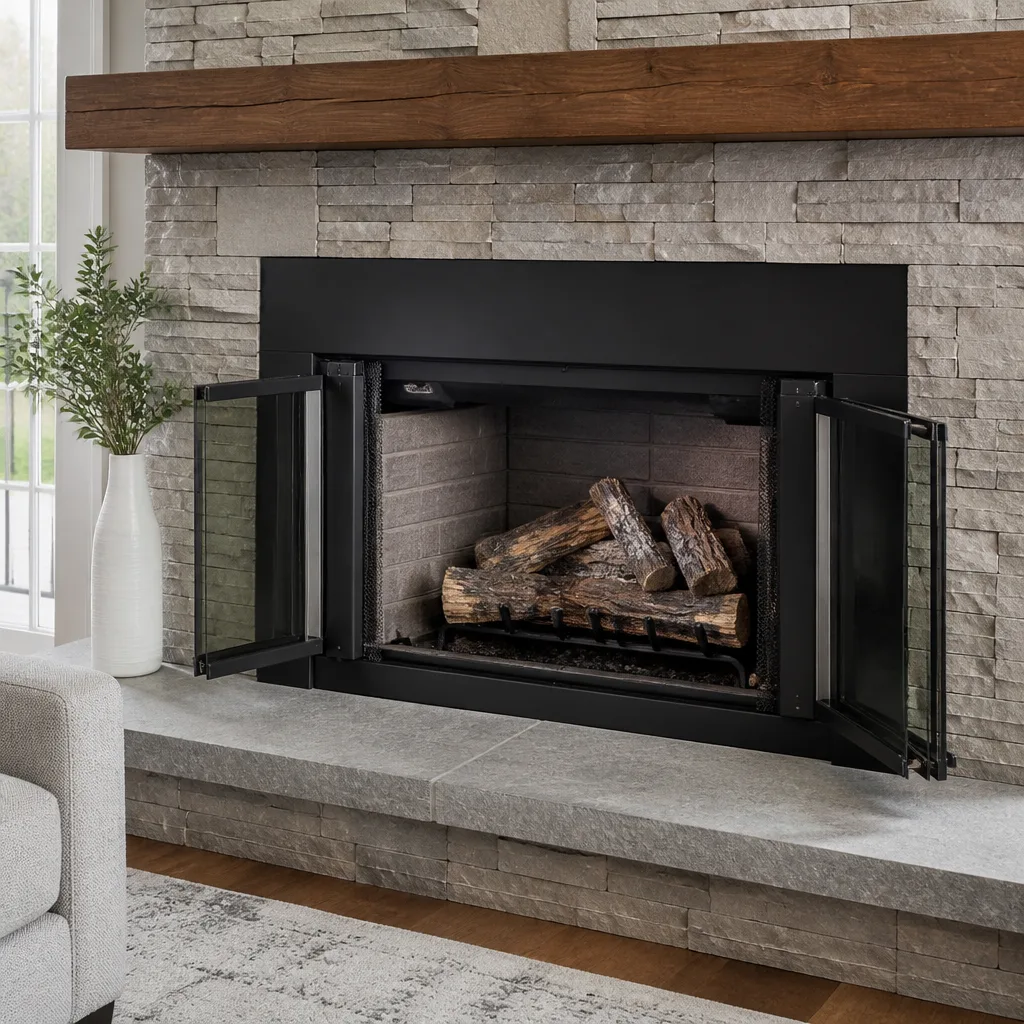 Gas fireplace service
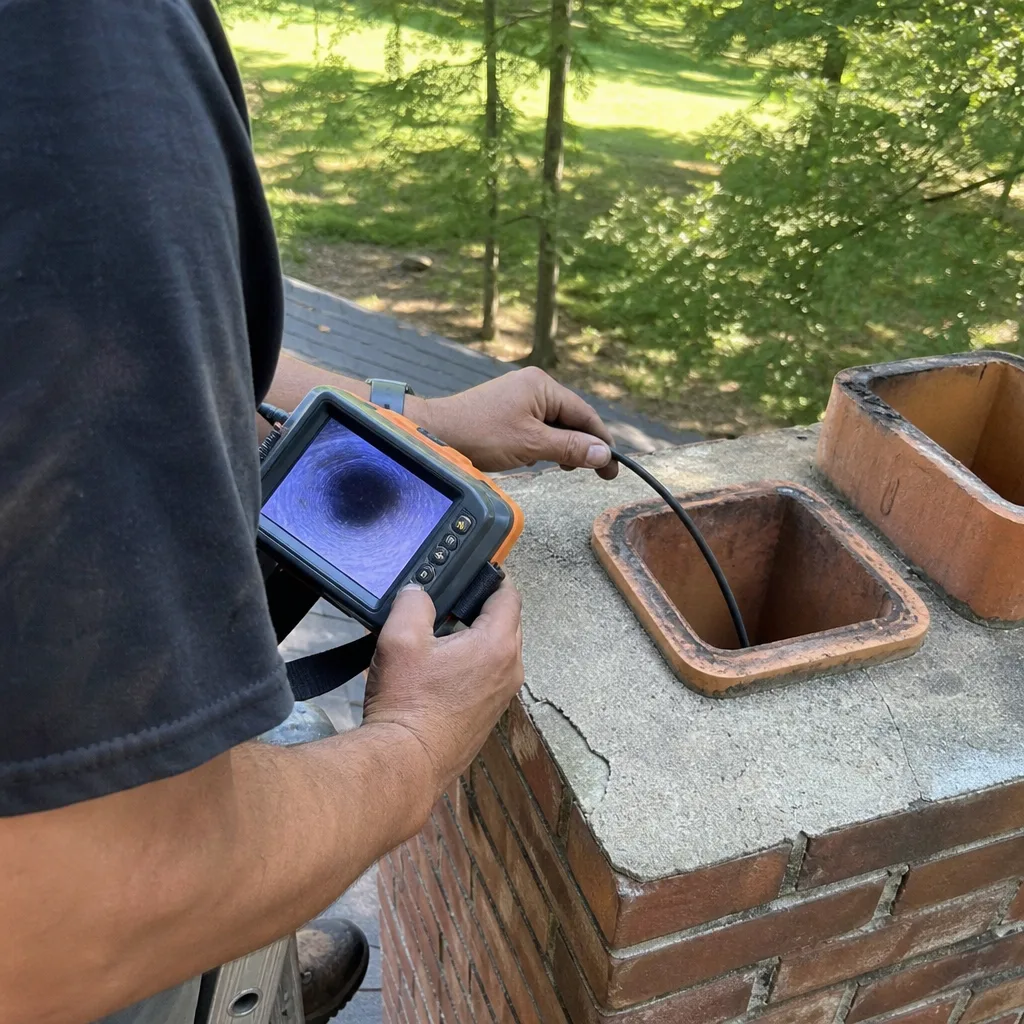
Level 1 sweep and inspection to the NFPA 211 annual standard - flue, crown, cap, and flashing checked and photographed
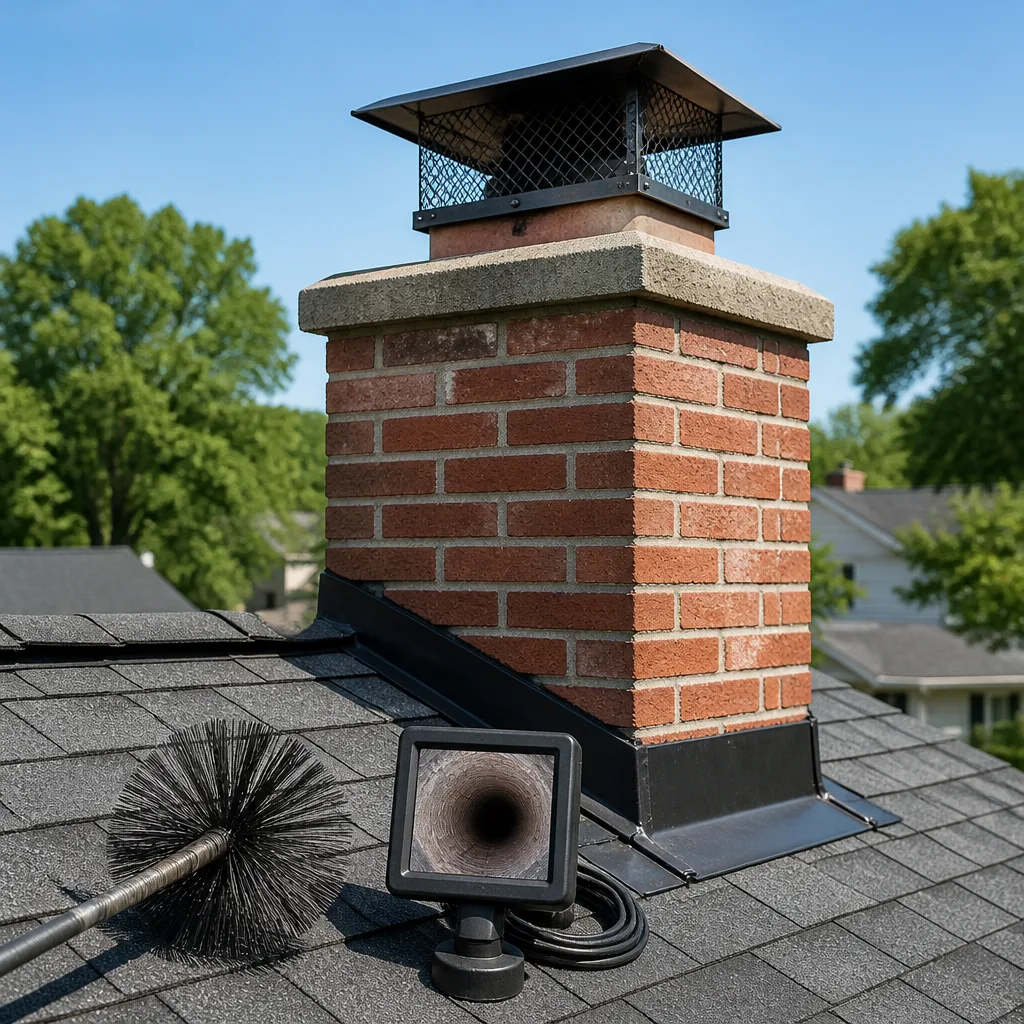
Chimney sweep logs do not sweep chimneys. They loosen some creosote - which then falls where a brush and vacuum still have to collect it.
Chimney Sweep Maintenance Checklist for Bellevue Homeowners
Most chimney checklists you’ll find online were written for a generic house. They don’t account for the fact that Bellevue’s older neighborhoods are full of prefabricated fireplaces that look like masonry from the hearth but are built on a completely different set of materials, clearances and failure points. Treat a prefab metal fireplace like a brick chimney and you’ll inspect the wrong things. This guide builds a Bellevue-specific checklist around the two systems that actually dominate local housing stock, the fuel types we see most, and the seasonal rhythm of a Middle Tennessee heating year. You’ll learn what to check monthly yourself, what needs a trained eye, and how to track slow deterioration before it turns into a real bill.
Quick Answer
A chimney maintenance checklist for Bellevue should cover the cap and crown, the flue and liner, the damper and firebox, and the surrounding chase and flashing, checked monthly by the homeowner for visible problems and once a year by a technician. Masonry and prefabricated metal fireplaces need separate checklists because they fail differently, and that annual professional inspection and sweep should line up with the fall before first use and the spring after the season ends. NFPA 211 recommendations set the baseline for how often this work should happen.
Styles & brands we work with
- Sweep & inspection
- Caps & crowns
- Flue relining
- Masonry repair
- Gas fireplace service
Table of Contents
- Why Bellevue Chimneys Need Two Different Checklists
- What You Can Self-Inspect Monthly
- The Masonry Chimney Checklist
- The Prefabricated Metal Fireplace Checklist
- Seasonal Timing: September and March Benchmarks
- Five Overlooked Checklist Items Most Sweeps Don’t Mention
- How to Document Findings Over Multiple Years
- What Bellevue’s Climate and Housing Stock Do to Your Chimney
Why Bellevue Chimneys Need Two Different Checklists
Bellevue is a community west of Nashville where a large share of homes went up during two distinct building waves, and each wave left behind a different kind of chimney. The older neighborhoods carry both true masonry chimneys laid in brick and mortar and, increasingly, prefabricated fireplaces inserted into surrounds that were designed to look like masonry. The two are not the same system, and they don’t fail the same way.
A masonry chimney is a load-bearing brick structure with a clay flue tile liner. Its enemies are water, freeze-thaw movement and the corrosive acids in creosote. It fails slowly, through hairline cracks in the crown, spalling brick and deteriorated mortar joints. A prefabricated metal fireplace, by contrast, is a manufactured assembly with a steel firebox, a refractory lining and a metal flue with specific clearance requirements to combustibles. It fails through cracked refractory panels, gaps in the flue joints and a firebox that has been pushed past its rated life.
That difference matters because the checklist changes with the material. Inspecting a prefab unit as if it were brick leads to missed refractory cracks. Inspecting a masonry chimney as if it were prefab means ignoring mortar and crown condition. When you book a chimney sweep Bellevue, ask first whether the technician inspects both types on the same visit. A specialist who handles the full system, from the firebox up through the cap, can tell you which checklist applies to your home and why.
The practical upshot: before you inspect anything, identify your system. If the firebox is lined with brick and mortar, you have masonry. If it’s a steel box with refractory panels and a surrounding metal flue, you have prefabricated. If you aren’t sure, that’s the first thing to resolve, and it shapes every item that follows in this guide.
What You Can Self-Inspect Monthly
A handful of checklist items are safe and useful to check yourself each month during the heating season, with no tools beyond a flashlight and a mirror. These are visual and functional checks, not repairs. If something looks wrong, stop and note it for the technician rather than trying to fix it.
- Cap condition. From the ground with binoculars, or through a window with a clear line of sight, confirm the cap is still sitting level and intact. A missing or loose cap is the fastest route to water and wildlife intrusion.
- Damper function. Open and close the damper before every fire. It should move freely and seat fully. A damper that sticks open or won’t close is wasting heat and letting conditioned air escape.
- Visible cracking. Shine a light into the firebox and look at the brickwork, mortar joints and, on a prefab unit, the refractory panels. Hairline surface checks in the refractory are normal; deep cracks or missing chunks are not.
- Creosote buildup at the throat. Look up at the smoke chamber and damper area with a mirror. Glossy or crusty deposits near the top signal the flue needs attention before the next burn.
- Water stains and rust. Check the firebox, damper and the ceiling around the chimney for discoloration. Rust on a metal firebox or damper points to moisture getting in from above.
Do all of this with the fire fully out and the chimney cold. None of these checks involves climbing onto the roof or opening the flue, which we don’t recommend for homeowners. Monthly self-inspection catches visible problems between professional visits. It doesn’t replace the annual sweep.
The Masonry Chimney Checklist
For a true masonry chimney, the annual professional checklist should run top to bottom, because the failures that matter most start at the roof line and travel down. Here’s what a thorough inspection covers.
- Crown. The concrete cap at the top of the chimney should be sound, slightly sloped and sealed at the flue. Cracks here let water into the structure below.
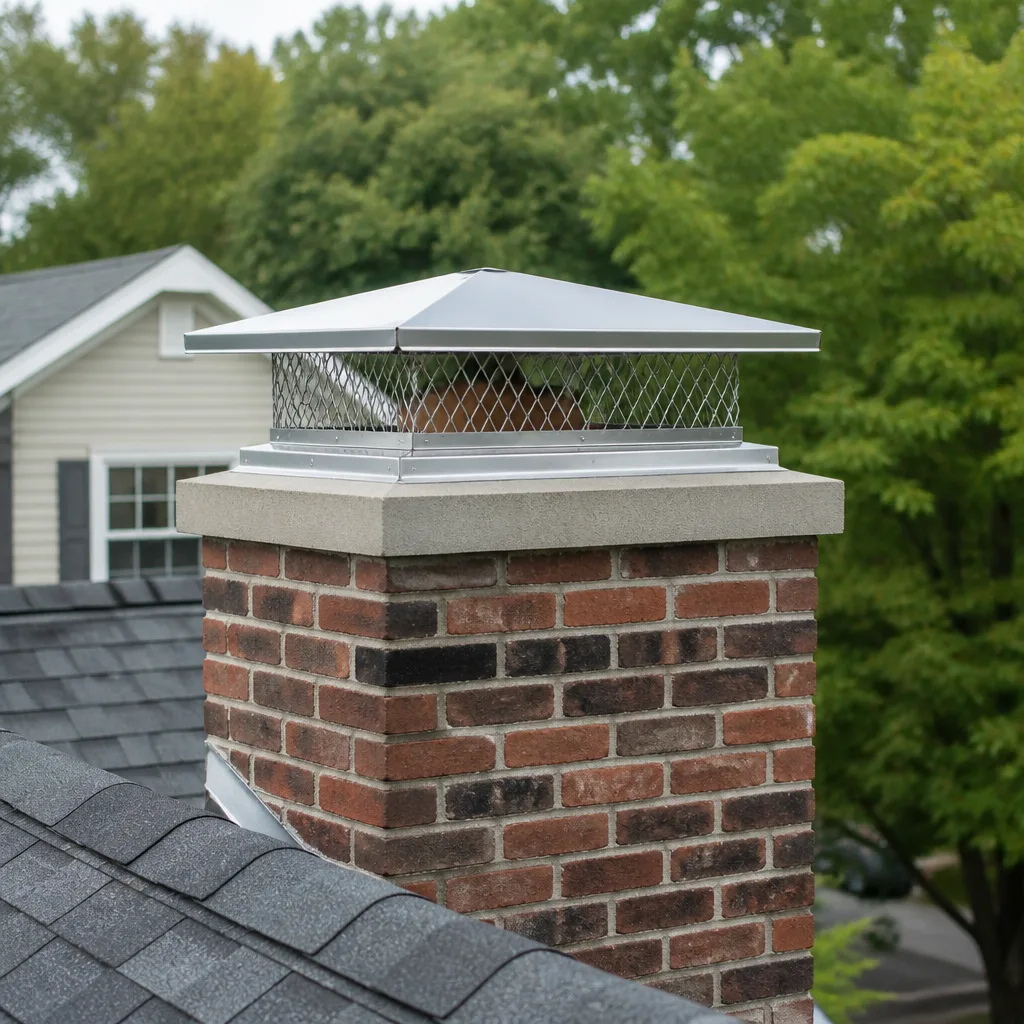
- Cap and spark arrestor. The metal or mesh cap should be attached, clear and intact. A damaged cap invites rain and animals.
- Flue tiles. The clay liner is checked for cracked, spalled or displaced tiles. A broken tile means the flue is no longer containing heat and gases as designed.
- Mortar joints and brickwork. Above the roofline especially, joints are checked for recession and brick for spalling or efflorescence.
- Smoke chamber. This sloped transition between the firebox and the flue is where creosote and soot collect, and where parging often fails.
- Firebox and damper. The firebox brick and mortar are checked for cracking, and the damper for fit and function.
- Flashing. The metal at the roof-to-chimney intersection is checked for gaps and lifting. That juncture is a common leak point.
When a masonry audit turns up a damaged flue liner, it doesn’t always mean a rebuild. HeatShield flue resurfacing can restore deteriorated clay tiles in some cases by applying a trade-spec resurfacing material to the existing flue interior, which is often far less disruptive than demolition. Restoring before replacing is the right question to ask. Our technicians have up to 15 years of experience, and HeatShield work is a product-specific skill, not something every sweep is set up to do.
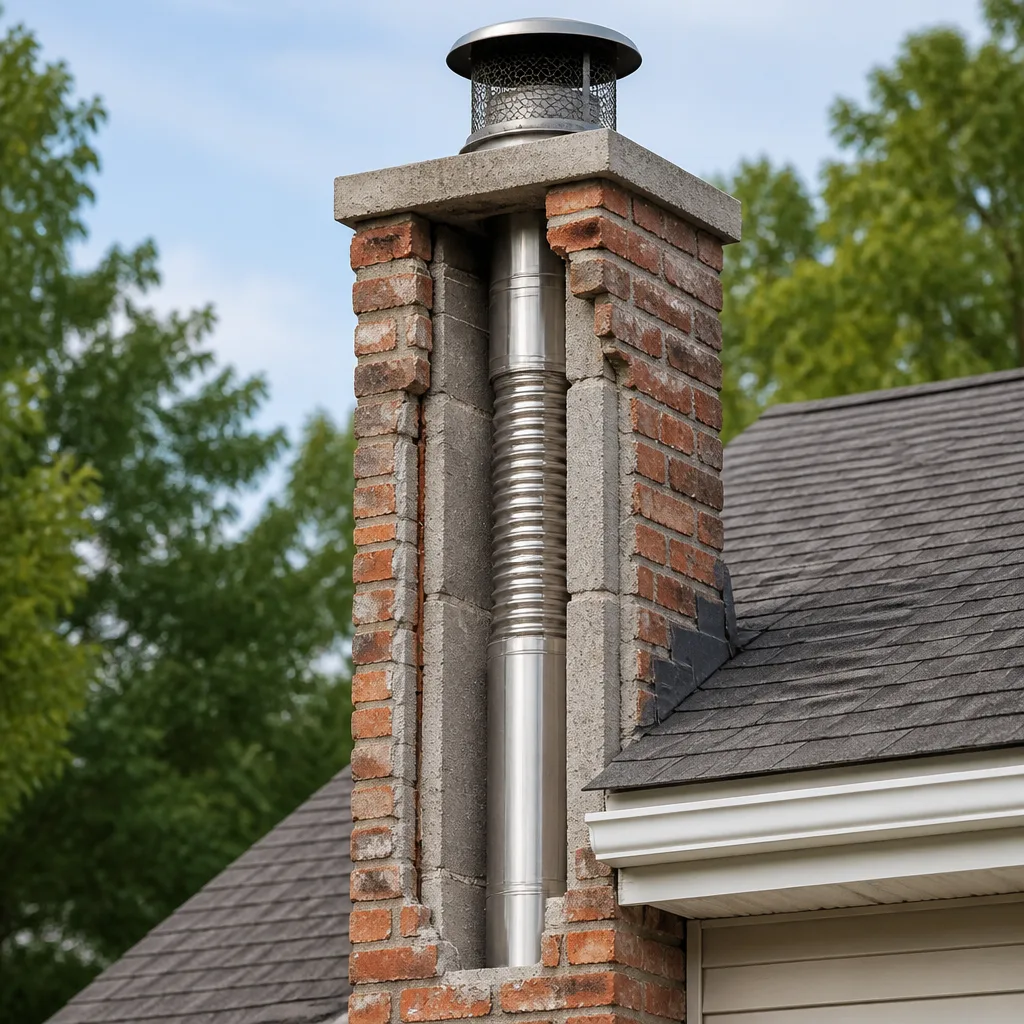
If the masonry flue is beyond resurfacing or the shape is irregular, a full reline with a flexible system such as DuraFlex is the alternative. That’s chimney sweep territory that many cleaning-only outfits can’t handle, so plan for it if your inspection flags a liner problem.
The Prefabricated Metal Fireplace Checklist
A prefabricated fireplace is a manufactured appliance, and its checklist is closer to what you’d follow for any piece of home equipment: rated components, intact linings, clearances held. The items below are the ones that matter most for the prefab units common in Bellevue’s newer subdivisions.
- Refractory panels. The firebox lining is checked for cracks, chips and gaps. Small surface cracks are often acceptable; structural cracks or missing sections are not.
- Firebox and grate. The steel box is checked for warping and rust, and the grate for integrity.
- Flue joints and connections. The metal flue is inspected for separated joints and secure connections at each length.
- Termination and cap. The top termination is checked for the correct cap and spark arrestor, and for obstructions.
- Clearances. The rated clearance to nearby combustibles is confirmed, especially after any remodeling or mantel work.
- Listed parts only. Any replacement part must be rated for that specific appliance. Substituting a generic component compromises the whole system.
The single biggest prefab mistake is renovating around it without knowing the clearances. Adding a mantel or a surround too close to the firebox, or swapping a listed part for a hardware-store substitute, quietly undercuts the appliance’s safety rating. When we inspect the full system, not just the firebox, the clearances and termination get the same attention as the flue itself.
Seasonal Timing: September and March Benchmarks
Timing a chimney checklist to the heating season is what separates a routine from a plan. Two checkpoints do most of the work: the fall, before the first fire, and the spring, after the last one.
September: Before the First Fire
The fall inspection and sweep clear out the previous season’s creosote and give you time to schedule any repair before cold weather sets in. The ideal timing is a few weeks ahead of the first cold snap, while the work can still be done on your schedule rather than in a rush. Items to confirm:
- Sweep complete and flue confirmed clear.
- Inspection report reviewed, including any flagged repairs.
- Cap and crown confirmed sound before the rainy season.
- Damper and firebox functioning.
- Any liner or parging work booked and finished before first use.
March: After the Season Ends
Once you’ve stopped burning for the year, a spring check catches what the heating season left behind and gives moisture repairs the whole warm season to be carried out. Key items:
- Fresh creosote check, since a season of burning deposits it fast in cooler weather.
- Crown and flashing inspection for winter water damage.
- Exterior masonry review for freeze-thaw movement and spalling.
- Refractory panel and flue joint check on prefab units.
- Chase cover and cap condition before summer storms.
Between the two, you get a full-year loop: clear out before you burn, inspect after you stop. If a March report shows a crown hairline or a loosened cap, you can fix it in fair weather instead of discovering it the first cold week of fall.
Five Overlooked Checklist Items Most Sweeps Don’t Mention
Plenty of chimney maintenance checklists stop at “sweep and inspect the flue.” The items below are the ones we focus on because they address the failure points that quietly do the most damage, and many cleaning-only visits never touch them.
1. Chase Cover Rust
A prefab system is usually housed in a framed chase with a metal chase cover at the top. That cover catches weather, and rust-through on a chase cover sends water straight into the chase and down around the flue. Rust spots and pinholes are checked every year, and a failed chase cover is a genuine moisture problem even when the firebox looks fine.
2. Smoke Chamber Parging
The smoke chamber, the sloped space between the firebox and the flue, is where soot and creosote collect and where the original parging often cracks away over time. Rough or failing parging gives deposits something to cling to and can compromise the transition. It’s easy to overlook because it sits above the firebox and out of casual view.
3. Offset Flue Joints
Many masonry chimneys have an offset, a section where the flue shifts horizontally to clear an obstruction. Those offset joints are a favorite hiding spot for creosote and a common place for a liner to fail. A sweep that only runs a brush straight up the flue can miss the offset entirely.
4. Liner Termination
Where the liner meets the very top of the chimney is where cap, crown and flue all come together. A gap in the liner termination at the top, or a cap installed without sealing that connection, lets water and debris in. That top connection is checked as carefully as the flue itself.
5. Outside Air Kit
Some fireplaces and stoves are designed with an outside air kit that draws combustion air from outdoors. A blocked, disconnected or missing kit changes how the appliance drafts and can pull air from the room instead. It’s an easy item to overlook, and it’s part of the full-system picture.
Cap and crown condition ties directly into the first two items above. Water intrusion is the leading cause of long-term chimney deterioration, and a trade-spec chimney cap & crown repair handles the top of the system before it becomes a bigger job. We stock and install Gelco and Copperfield products for cap, crown and chase work precisely because these top-of-chimney details decide how long the rest of the system lasts.
How to Document Findings Over Multiple Years
Chimney decay is slow, which means it’s easy to miss unless you write down what you see. A one-page log, updated each year, turns a decade of inspections into a clear trend line instead of a series of disconnected memories.
What to Record
- Date of each inspection and sweep.
- Photos of the crown, cap, chase cover, firebox, refractory panels and any visible flue damage.
- Condition notes for each checklist item, in plain words (“crown hairline at 4 o’clock,” “refractory surface check, no structural crack”).
- Work performed and materials used, including any HeatShield resurfacing or DuraFlex liner work.
- Repairs deferred and what to watch on the next visit.
Why Photos Beat Memory
A crown crack that measures a hairline one year and a quarter-inch the next is a trend. The same crack photographed at both visits tells you whether it’s moving, and that’s the difference between watching a slow issue and missing a repair that’s accelerating. Over three or four years, before-and-after photos of the flue, crown and chase cover show exactly what’s wearing and what’s holding.
The Repair Bill You Avoid
Most major chimney repair work starts as a small, documented problem someone didn’t track. A rusted chase cover, a parging crack, a loosened cap: each has a modest fix when caught early and a much larger one when water has had a couple of winters to work. If your log shows a finding that stayed stable for several seasons, it may be fine to leave on the watch list. If it’s changing every year, that’s the pattern to act on. When a technician recommends work, ask to see the photo or the camera view behind it, and note it in the log.
What Bellevue’s Climate and Housing Stock Do to Your Chimney
Bellevue’s weather swings through cold winters with real freeze-thaw cycling and humid, sometimes storm-heavy summers. That combination is hard on an exterior masonry chimney. Water soaks into mortar and brick during wet spells, freezes and expands during a cold snap, and slowly widens joints and flakes brick faces. The crown and the masonry above the roofline take the worst of it, which is why those top-of-chimney items sit at the front of the checklist.
The area’s housing stock reinforces the point. Older homes that were built with original masonry fireplaces often have chimney systems that are decades old, with liners that may have been resurfaced once and now need it again. Newer subdivisions lean heavily on prefabricated fireplaces, which are a different maintenance story: refractory panels and flue joints rather than mortar and brick. A single Bellevue neighborhood can hold both, side by side, and the checklist has to match the house.
The heating season matters too. Weeks of steady wood burning in cool weather build creosote faster than occasional fires, so a busy winter chimney needs its spring sweep. And because Bellevue homes often have chimneys on exterior walls, the masonry runs colder than an interior chimney would, which can make creosote condense and settle more readily. That’s the reasoning behind checking the flue both before and after the season, rather than once.
If a chimney has a gas appliance venting alongside or a gas fireplace with its own flue, that appliance is part of the same system and belongs in the same annual inspection. Carbon monoxide has no smell, so the gas side is never something to skip because “we only burn wood.” The full-system inspection covers it.
Common Mistakes to Avoid
- Treating a prefab like masonry. Inspecting a metal fireplace with a masonry checklist misses the refractory panels and flue joints that actually fail. Identify the system first, then follow the right list.
- Skipping the top of the chimney. The cap, crown and chase cover are the leading causes of water damage, yet plenty of sweeps never look closely at them. A flue-only visit isn’t a full inspection.
- Burning green or wet wood. Unseasoned wood creates more creosote in Bellevue’s cool heating weeks. Split and season firewood properly and watch the deposits at the throat.
- Patching a masonry crown with caulk. A caulk line over a cracked crown hides the problem for a season and lets water keep working underneath. Crown repair is a concrete job, not a tube job.
- Adding a mantel without checking clearances. A remodeled surround too close to a prefab firebox quietly voids its clearance rating. Check the manufacturer’s clearances before any cosmetic work near the hearth.
- Sweeping without inspecting. A sweep that skips the inspection leaves no record of the smoke chamber, liner termination or offset joints. Ask for an inspection, not just a cleaning.
- Letting photos drift. Without dated photos each year, you can’t tell a slow crack from a new one. Photograph the crown and chase cover every visit.
See the difference
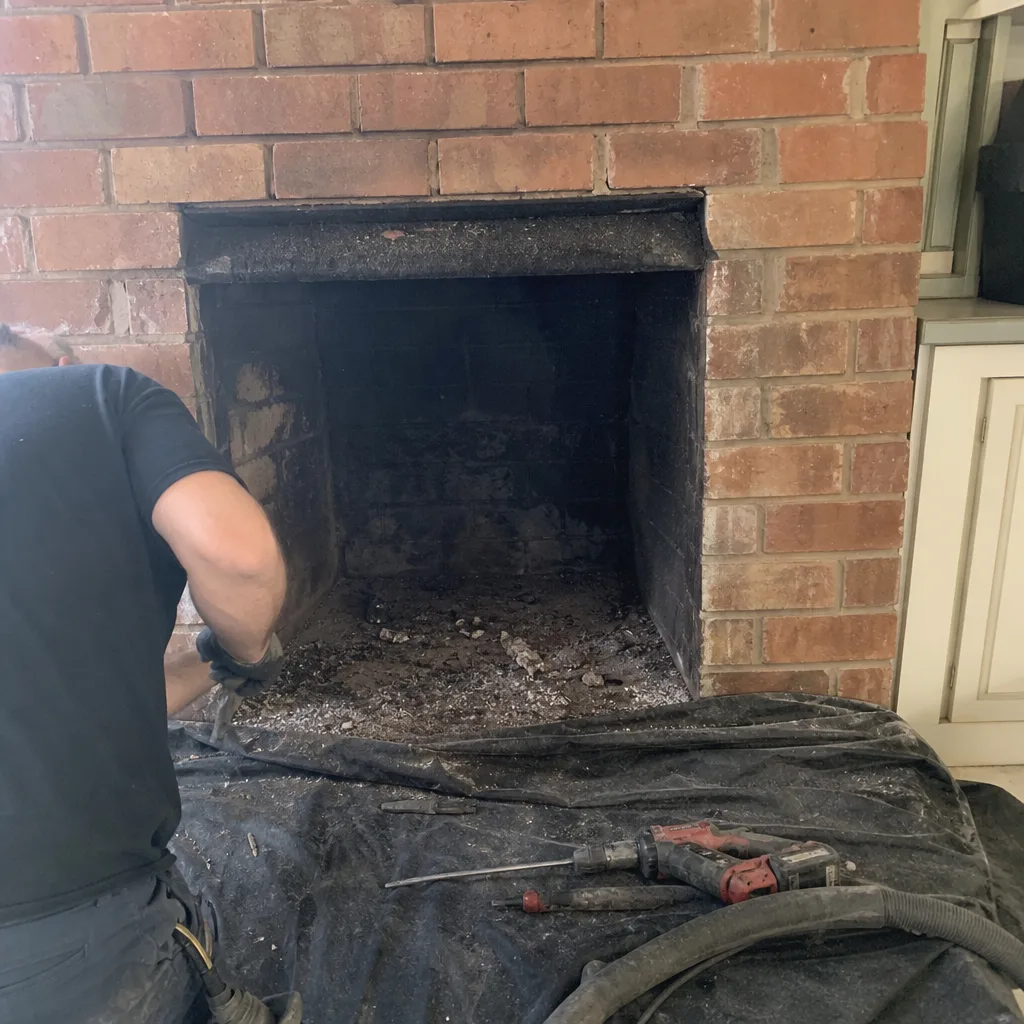 Before
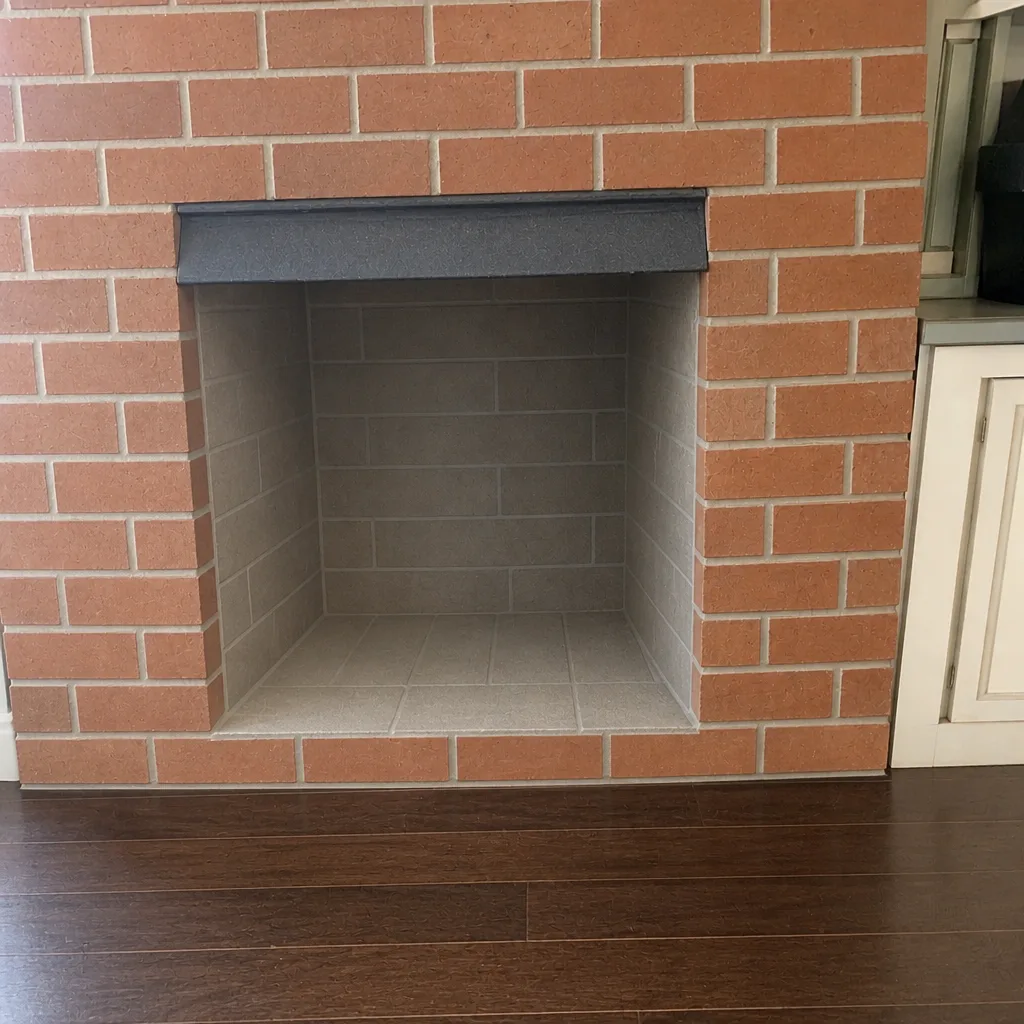 After
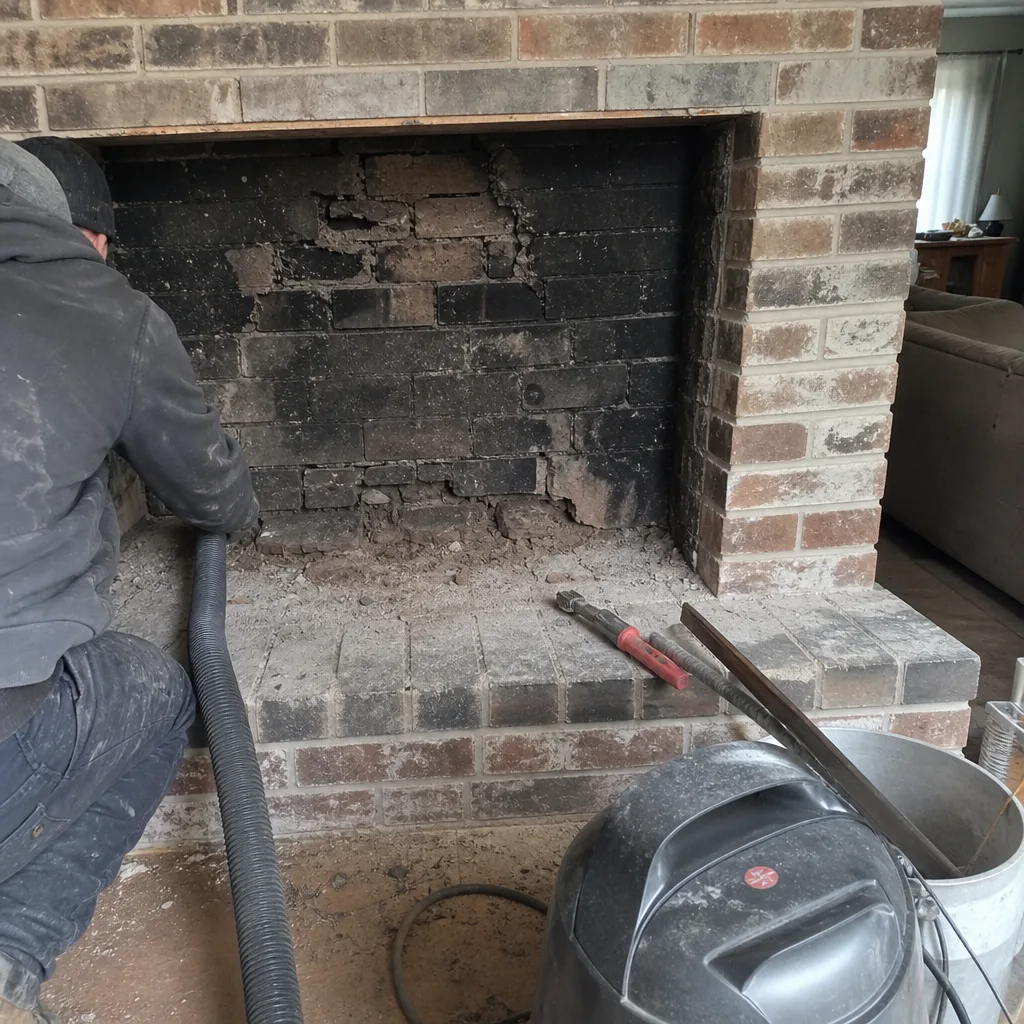 Before
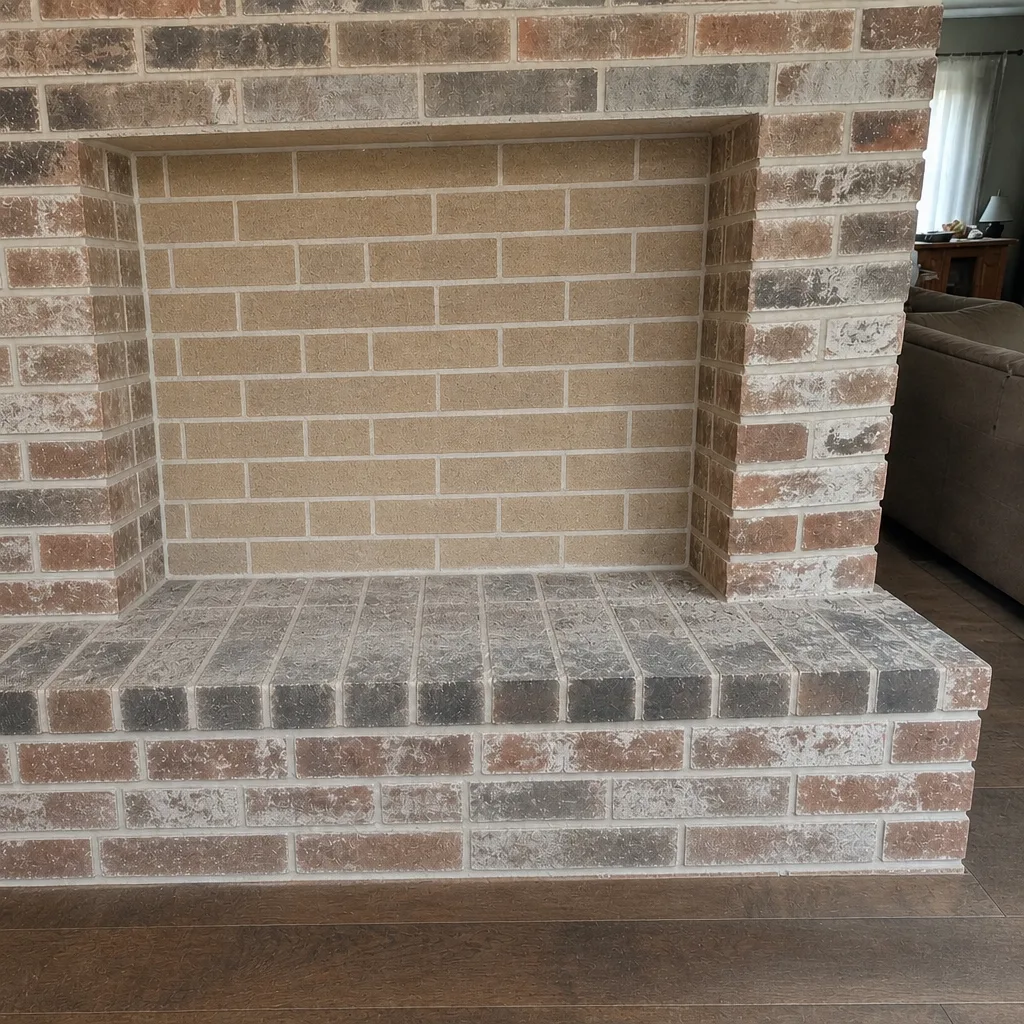 After
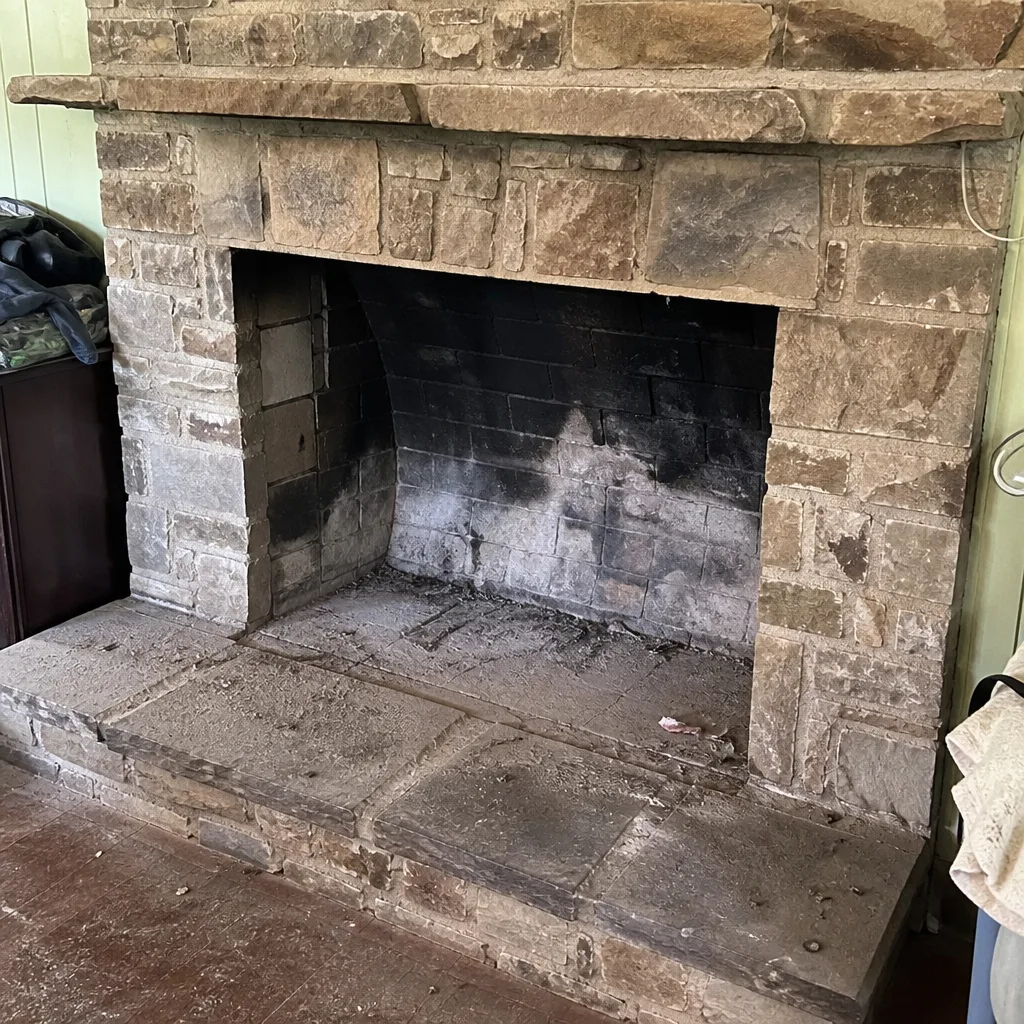 Before
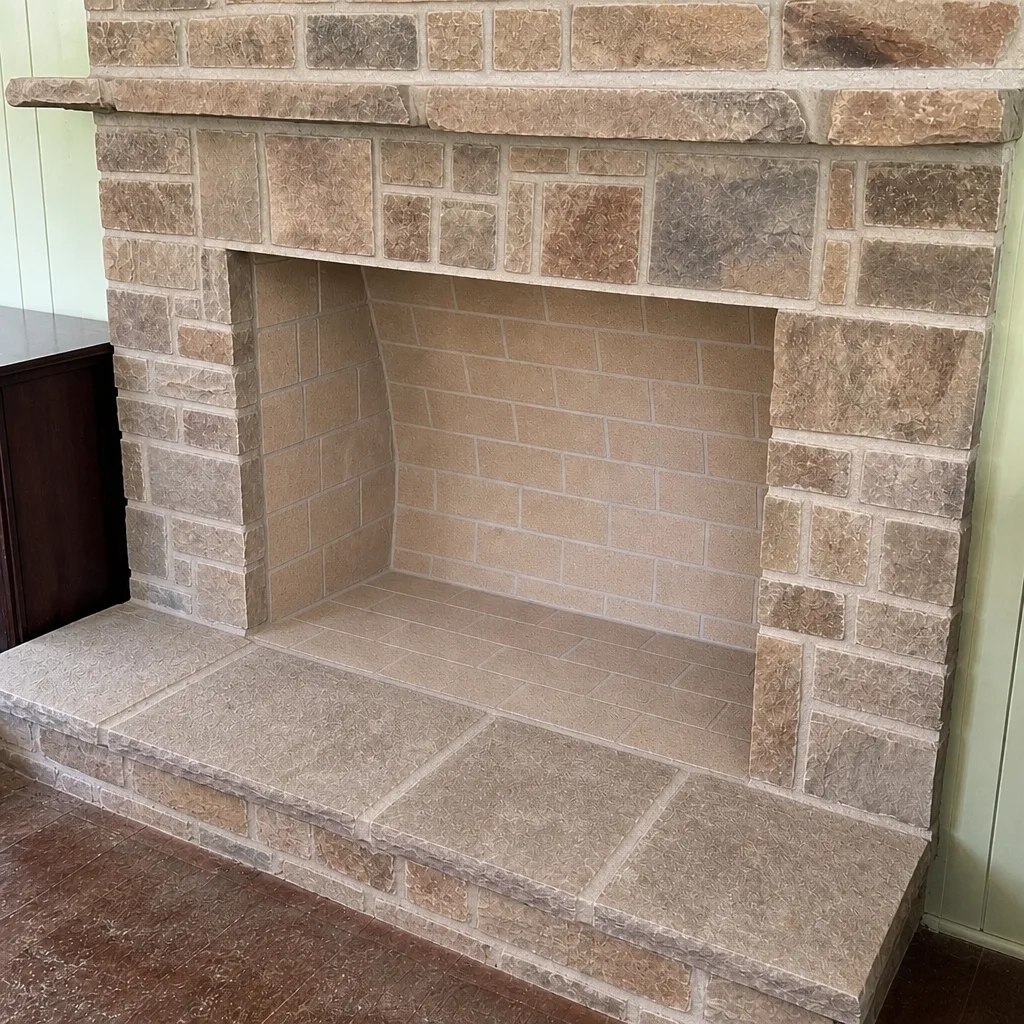 After
When to Call a Professional
Some chimney items need a trained eye and the right materials. Call a professional if a monthly check turns up water stains, rust on the firebox or damper, a loose or missing cap, a crown in rough shape, or visible cracks in the flue or refractory panels. Also call if the flue is overdue for a sweep by NFPA 211 guidance, if you’ve moved into a home and have no record of past inspections, or if you’re buying or selling and need a documented inspection for the transaction. A gas fireplace that hasn’t been checked for carbon monoxide risks deserves the same call.
Self-inspection is a monthly habit. The annual inspection and sweep, the liner resurfacing, the crown and cap repair and the full reline are professional work. Chimney Sweep Bellevue offers free estimates in Bellevue, and we can walk the system with you, show you the photos behind any recommendation, and tell you plainly what can wait. Call (855) 337-1241. We answer 24/7. Fast dispatch from 7am to 7pm, Sunday through Friday.
Frequently Asked Questions
Once a year is the working standard, and NFPA 211 sets the recommendation that most chimney professionals follow. Homes that burn wood heavily through the winter may need more frequent attention, and a spring check after the season helps you time it. If creosote builds up quickly, a technician may suggest a sweep between checks. Call (855) 337-1241 for an exact schedule for your system.
A sweep removes creosote, soot and debris from the flue, while an inspection checks the whole system for condition and safety problems. A sweep without an inspection leaves no record of the crown, smoke chamber, liner termination or flue joints. They’re best paired on the same visit, and a proper chimney sweep visit includes both.
Freeze-thaw cycling through winter is hard on exterior masonry, and it’s the reason crown and mortar condition sit at the top of the checklist. Humid summers and storm-driven rain put the cap and chase cover under real stress. Some homes need repairs earlier than a milder climate would produce. Call (855) 337-1241 to discuss what your chimney is likely facing.
You can check the cap, damper, visible cracking, creosote at the throat and any water stains once a month with a flashlight and mirror. Roof access, the flue interior, the smoke chamber and liner work need a trained technician. Keep the self-checks as a between-visit habit, not a replacement for the annual professional inspection.
It depends on what the inspection shows, and a good technician will tell you plainly whether it can wait. A deteriorated clay liner is a fire and carbon monoxide risk when it can no longer contain heat and gases, but a stable issue may be safe to watch. Ask to see the camera image or photo behind the recommendation, and get the finding written down. Call (855) 337-1241 for a free estimate that shows its reasoning.
Creosote keeps building and the small problems that are cheap to fix grow into larger ones. Water intrusion through a cracked crown or rusted chase cover quietly damages the chase and flue, and by the time it’s noticed the repair is no longer minor. Skipping also means missing a carbon monoxide risk from a gas flue or a failing liner. It’s a slow decline, not a sudden one, which is exactly why a yearly checklist catches it. Call (855) 337-1241 to get back on schedule.
The Bottom Line
A useful chimney maintenance checklist is specific to your system, not a generic flyer. In Bellevue, that means knowing whether you have a masonry chimney or a prefabricated metal fireplace, then following the checklist that matches it. Check the cap, damper, visible cracking and water stains yourself each month. Book a professional inspection and sweep before first use in September and again after the season ends in March. Track findings with dated photos so you can see slow deterioration before it bills you for it. Handle the overlooked items, particularly the crown, chase cover, smoke chamber and liner termination. One company that covers the whole system, from sweep through liner work and cap repair, is easier to schedule and easier to hold to what it says. Call (855) 337-1241 for a free estimate. We answer 24/7. Fast dispatch from 7am to 7pm, Sunday through Friday.
Written by the team at Chimney Sweep Bellevue.