
Last updated November 25, 2026
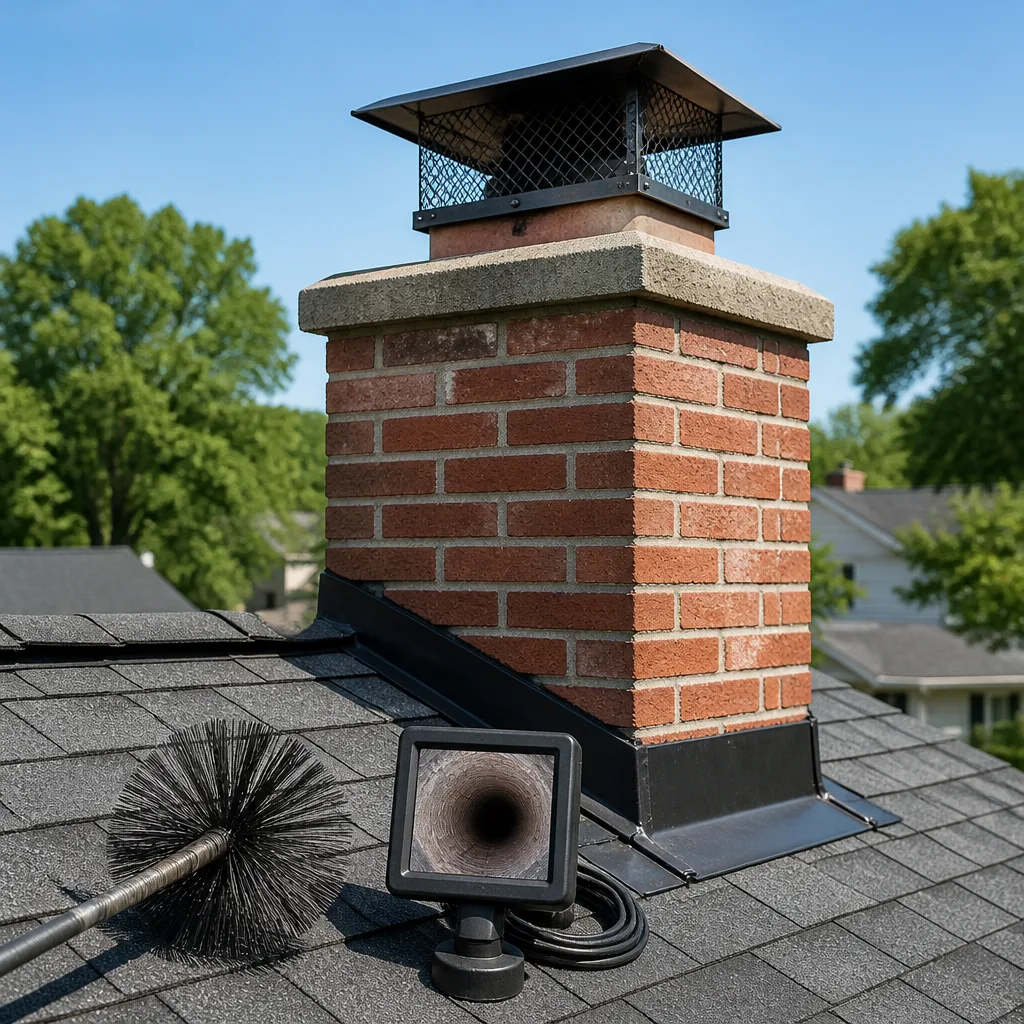 Sweep & inspection
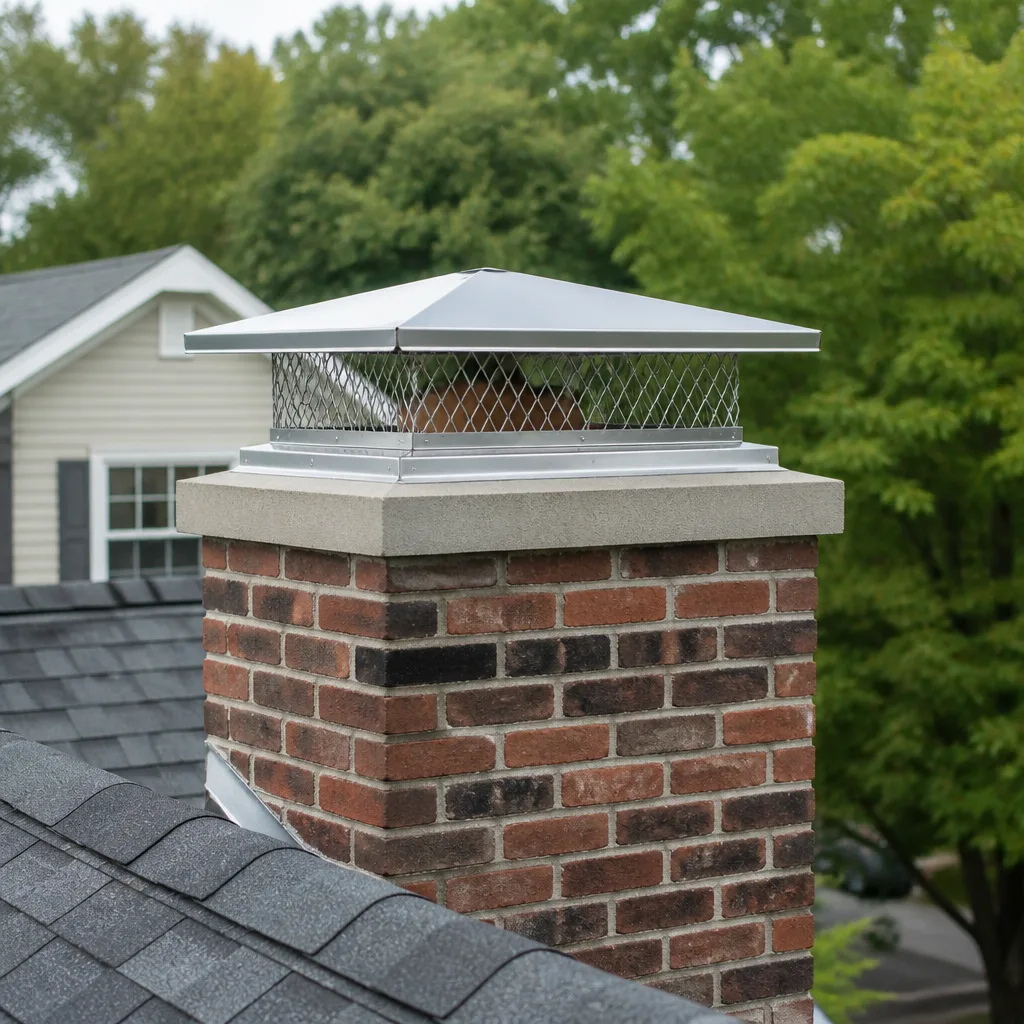 Caps & crowns
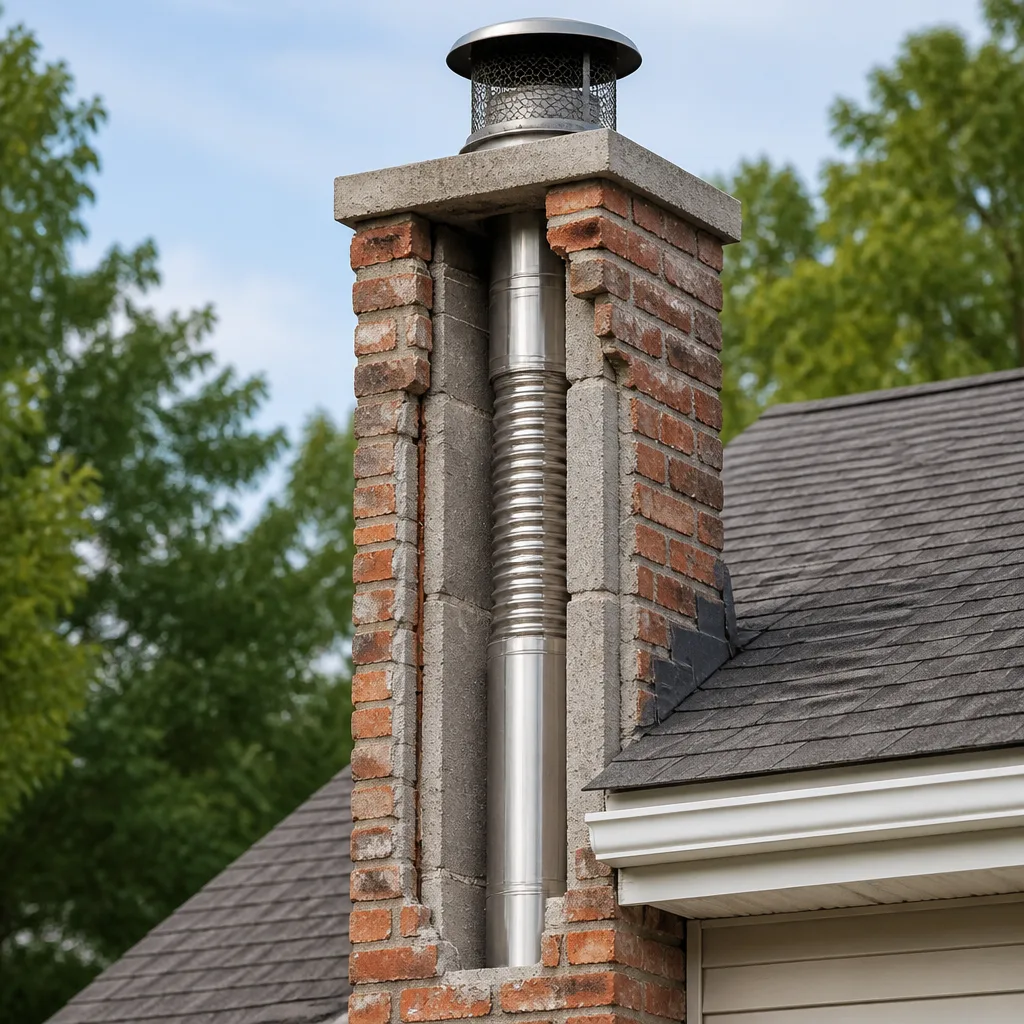 Flue relining
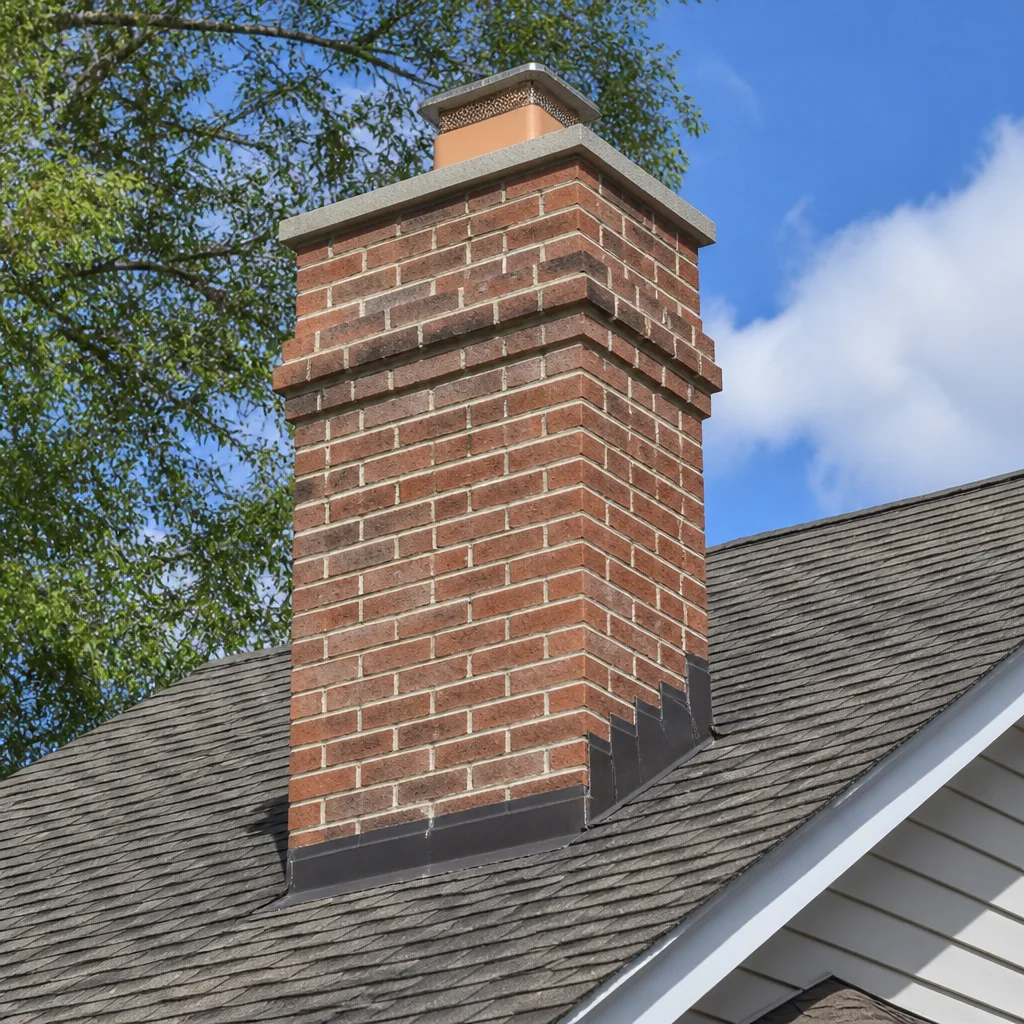 Masonry repair
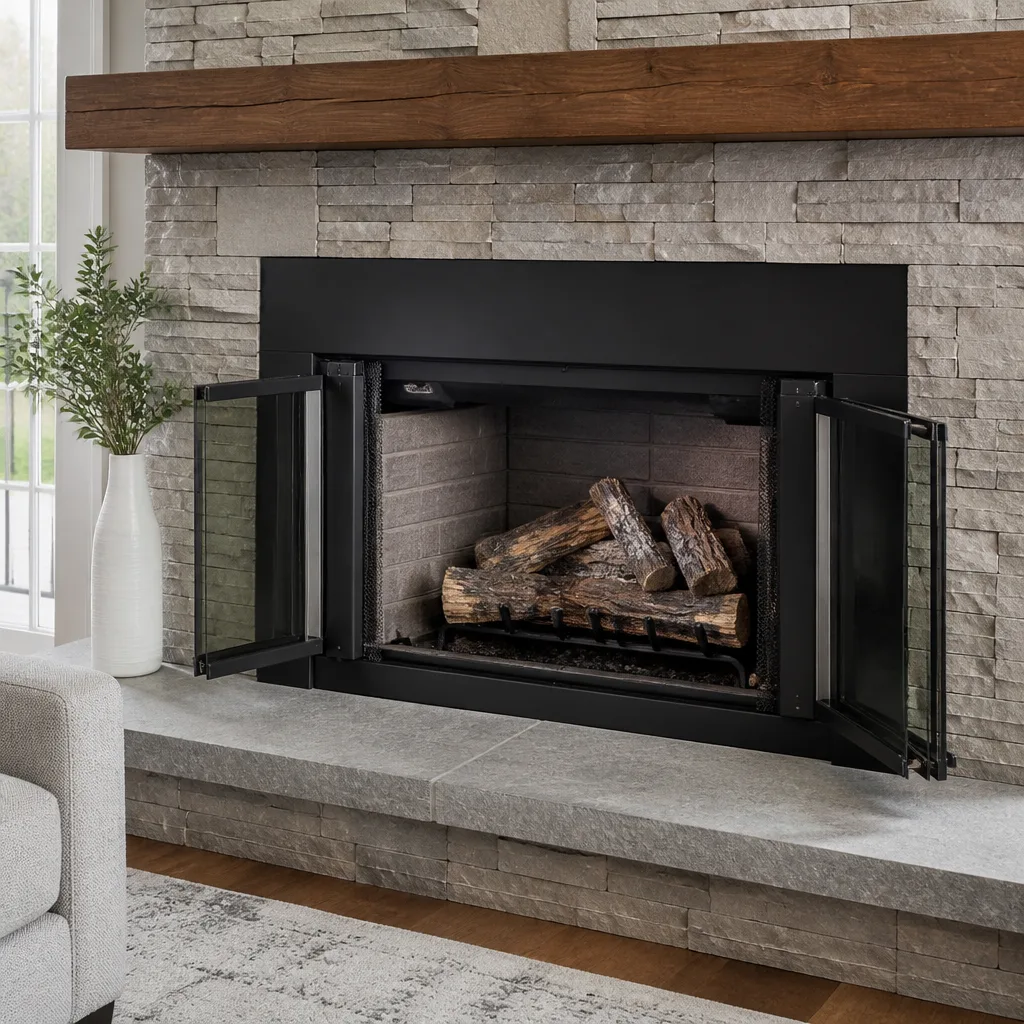 Gas fireplace service
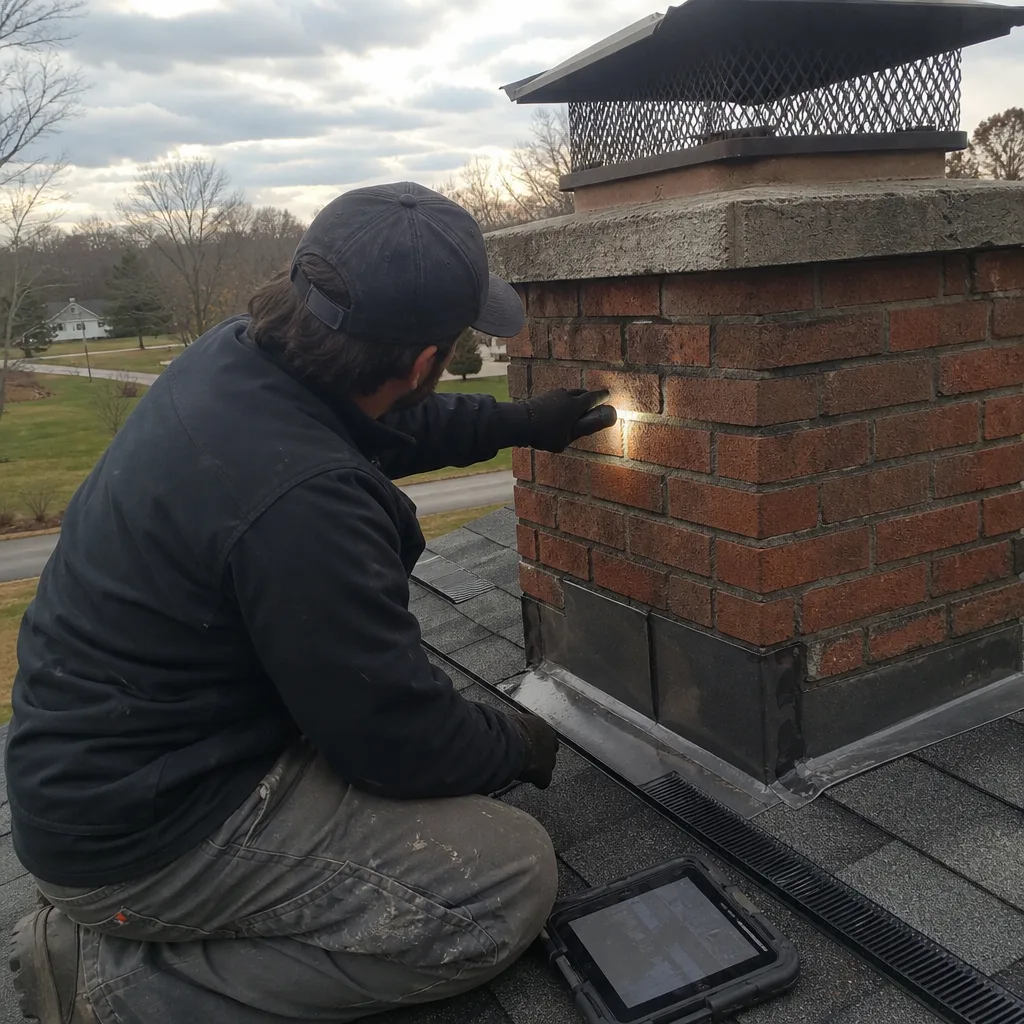
Level 1 sweep and inspection to the NFPA 211 annual standard - flue, crown, cap, and flashing checked and photographed
Chimney sweep logs do not sweep chimneys. They loosen some creosote - which then falls where a brush and vacuum still have to collect it.
How to Hire a Chimney Cleaning Contractor in Bellevue: A Step-by-Step Guide
Tennessee doesn’t issue a chimney sweep license. That single fact reshapes how you should shop for one. In most trades, the state does the first round of vetting for you – a license number tells you the person at your door has met a minimum bar. Chimney work has no such gate. The lowest bid in Bellevue and the most qualified specialist can both describe themselves as “professional” and neither is breaking a rule. What separates them is documentation: certification you can verify, insurance you can ask about, a written report you get to keep. This guide walks through exactly what to check, in what order, so the person on your roof is a technician rather than an operator with a brush.
Quick Answer
Hiring a chimney contractor in Bellevue means verifying three things before you book: current CSIA Certified Chimney Sweep or NFI credentials you can check on the spot, proof of general liability insurance and workers’ compensation coverage, and a written scope that tells you which level of inspection is included. The company should give you a written estimate and a written post-service report, and it should be one you can call back for repairs later. Price matters, but scope matters more – two quotes for a “chimney cleaning” can cover completely different work.
Styles & brands we work with
- Sweep & inspection
- Caps & crowns
- Flue relining
- Masonry repair
- Gas fireplace service
Table of Contents
- Why There’s No Chimney License in Tennessee – and What to Check Instead
- What CSIA and NFI Credentials Actually Mean
- The Five Questions to Ask Before You Book
- Red Flags Specific to Chimney Services
- Why a Handyman Isn’t the Right Call for Chimney Work
- How to Compare Quotes When the Scopes Don’t Match
- What’s Different About Chimney Care in Bellevue
- What a Proper Sweep and Inspection Looks Like
Why There’s No Chimney License in Tennessee – and What to Check Instead
Because the state doesn’t license the trade, the word “licensed” tells you almost nothing about a chimney contractor in Bellevue. It may mean the company holds a general business license, which is a tax registration, not a skills test. It may mean nothing at all. This is why the usual advice – “always hire a licensed contractor” – falls flat here. You need to ask about credentials the industry itself issues, and about insurance, which is the real financial protection.
Two national bodies set the standard in this trade. The Chimney Safety Institute of America (CSIA) issues the Certified Chimney Sweep credential, and the National Fireplace Institute (NFI) certifies technicians in wood, gas and pellet appliances. Those are the letters worth asking about. Neither is a government license, and neither is mandatory, but each requires formal training and continuing education to keep current.
Then there’s insurance. A contractor without general liability coverage is a contractor whose accident becomes your problem, either through a claim on your homeowner’s policy or through a lien on your property if a helper gets hurt. Workers’ compensation matters just as much. Ask for a certificate of insurance, not a verbal yes.
Bellevue homeowners face a second wrinkle: the region’s older housing stock. Plenty of properties around town carry masonry chimneys built decades ago, some with clay tile flues that have quietly cracked. A sweep who only brushes and leaves can’t tell you the flue is failing. If your home is one of those older builds, the vetting questions below matter more than the sticker price, because a neglected flue is a safety issue, not a housekeeping one.
What CSIA and NFI Credentials Actually Mean
A CSIA Certified Chimney Sweep has passed an exam on chimney and venting fundamentals and commits to ongoing education to stay certified. The credential is tied to the individual technician, not the company, which is why you want to know whether the person doing the work holds it – not just whether the company name mentions it. CSIA certification is also the industry’s clearest signal that the technician understands the system as a whole, from firebox to cap.
NFI certification goes deeper on appliance specifics. NFI specialists are trained on installation and service standards for wood stoves, gas fireplaces and pellet appliances. If your home has a gas fireplace or a wood stove insert rather than an open masonry fireplace, NFI training is directly relevant to the work.
How to verify on the spot:
- Ask for the technician’s name and certification number before the visit, then check the CSIA or NFI directory yourself. Both are public and searchable.
- Confirm the certification is current, not expired. Credentials lapse if continuing education isn’t kept up.
- Ask whether the certified technician will be on site for your appointment, or whether a helper will do the sweep while the certified name stays in the office.
- Ask what happens if the technician finds a problem the certified specialist isn’t trained for – a damaged flue lining, for example. A company that can handle it in-house saves you a second call.
On that last point, scope of service matters. Some sweeps are cleaning-only. A full chimney specialist will handle relining with systems like HeatShield for resurfacing damaged flue tiles, or a DuraFlex flexible liner for older and irregular flues, plus chimney cap & crown work. When one company can inspect, sweep, repair and re-cap, you’re not stuck coordinating between three contractors who each blame the other when something leaks.
The Five Questions to Ask Before You Book
These five questions will screen out most of the trouble before anyone climbs onto your roof. Ask them on the phone when you book. A qualified contractor will answer each without hesitation; a vague answer is your signal to keep calling.
- What level of inspection is included? Ask whether the sweep includes a Level 1 inspection – a visual check of the accessible portions of the chimney and venting – or whether you’d need a Level 2 if you’re buying or selling a home or have had a chimney fire. A quote that says only “cleaning” is a quote that may skip the diagnostic work.
- Do you carry general liability and workers’ comp? Ask for a certificate of insurance. This is the single most protective question you can ask, because in Tennessee no state license stands behind the work.
- Will I receive a written report? A proper visit ends with documentation: what was found, what was cleaned, what needs attention and when. Ask to see the format. If there’s no written report, you have no record of the condition of your chimney.
- What is your process when you find a deficiency? Some companies hand you a repair quote on the spot. Others explain the options and let you decide. Ask whether you’ll get a written estimate for any repair, and whether they can do the work themselves or will refer you out.
- Can I see a sample post-service report? This is the question most homeowners never ask, and it’s the one that exposes the difference between a technician and an operator. A sample report shows you how detailed the findings will be.
Get the answers in writing where you can. An email confirmation of the scope, the price and the report format is worth more than a friendly phone conversation you can’t refer back to.
Red Flags Specific to Chimney Services
Chimney work has its own warning signs, and they look different from the ones you’d watch for with a plumber or an electrician. Here’s what to watch:
- Vague scoping. “We’ll clean it and check it” is not a scope. A written scope names the inspection level, the appliances covered and what happens if problems turn up.
- No written estimate. Every job should come with a written estimate before work begins. A verbal number that grows on the day of the visit is a sign the price was never fixed to begin with.
- Pressure to approve same-day repairs. A chimney can develop a crack that needs prompt attention, and a contractor should tell you so. But a technician who insists you approve thousands of dollars of liner work before they leave the driveway is skipping the step where you get to think, compare and verify.
- Unmarked vehicles and no physical business address. In a trade with no state license, a real address and identifiable vehicles are basic accountability. If the only contact is a phone number, you won’t find them again if a repair fails.
- No mention of insurance. If the answer to “are you insured?” is vague, treat it as a no.
- Quotes with no line items. A lump-sum quote for “chimney work” hides whether the crown, the cap or the flue is included. Ask for the scope broken down.
- No explanation of what they found. A technician who can’t show you why they’re recommending a repair is asking for trust they haven’t earned.
In our experience, the most common red flag is not the obvious one – it’s the quote that’s cheap because it only covers half the job. A low number for a sweep that skips the inspection isn’t a bargain; it’s a bill for work that leaves you no wiser about your chimney’s condition.
Why a Handyman Isn’t the Right Call for Chimney Work
A chimney looks like a straightforward thing to clean, so it’s tempting to let the handyman doing your gutters run a brush through it. The problem is that a chimney is a safety system, not a duct. It moves combustion gases out of your home, and it does that only if every component – the flue lining, the firebox, the cap, the crown – is intact and functioning together. Cleaning without inspecting the system is like changing your oil without looking at the brakes.
The liability gap is the harder issue. If a general contractor cleans your chimney and a fire later traces back to a cracked flue tile they didn’t notice, your homeowner’s insurance claim may run into questions about whether the work was done by a qualified chimney professional. Standard homeowner policies often have language that expects proper maintenance and inspection by qualified tradespeople. A handyman isn’t that trade, and a certificate of general liability is no substitute for the chimney-specific training that would have caught the problem.
There’s also the repair tier. A handyman can sweep. What a handyman usually can’t do is diagnose a failing flue tile with a camera, resurface a damaged liner with a product like HeatShield, install a DuraFlex flexible liner in an irregular old flue, or rebuild a cracked crown with Gelco or Famco materials. Those are trade-specific and require product-specific training. If the only person who has examined your chimney is a generalist, the recommendation you get will be limited by what they know how to fix.
Bellevue’s older masonry chimneys are exactly the kind that hide problems. A 60-year-old clay tile flue can look fine at the firebox and be cracked higher up where nobody checks. Choose a contractor who checks the whole system.
How to Compare Quotes When the Scopes Don’t Match
The hardest part of hiring a chimney contractor in Bellevue is that two quotes for the same house can describe completely different work. One might be a brush-and-go cleaning. Another might include a Level 1 inspection, a camera check and a written report. Comparing them on price alone is how homeowners end up paying twice – once for the cheap sweep, again for the specialist who actually diagnosed the problem.
Here’s a framework for comparing apples to apples:
- Match the inspection level. A Level 1 inspection checks accessible portions of the chimney and venting. A Level 2 is more thorough and is typically needed when you’re buying or selling a home, after a chimney fire, or when a change to the system is being considered. Make sure both quotes specify the same level, or know exactly what you’re giving up.
- Match the appliances covered. A fireplace sweep and a gas appliance check are not the same job. Confirm the quote covers the chimney and appliance you actually have.
- Check whether camera inspection is included. A camera runs up the flue and shows you what’s happening inside. Company-side camera inspection and a photo report you can see for yourself is the difference between trusting a verbal report and verifying one.
- Check what happens after the sweep. Does the quote include a written report, a photo record, and a clear statement of any deficiencies with a written repair estimate?
- Ask who does the repair work. If the answer is “we refer that out,” the cost of finding, vetting and scheduling a second contractor is buried in that low number.
Once the scopes line up, price becomes a fair comparison. Until then, a $99 quote and a $250 quote tell you nothing about value, because they aren’t quotes for the same thing.
What’s Different About Chimney Care in Bellevue
Chimney problems in Bellevue tend to sort into two buckets: what the climate does to the masonry, and what the housing stock does to the flue.
Middle Tennessee’s winters cycle through freeze and thaw repeatedly rather than sitting cold. Every cycle pushes masonry a little further. Water gets into a hairline crack in the crown or around the cap, freezes, expands, and opens the crack wider. Over enough winters, the crown cracks through, the cap loosens, and water starts working down the flue. This is the leading cause of long-term chimney deterioration, and it’s why we treat the crown and cap as part of the safety system, not a cosmetic detail. A proper chimney sweep visit includes a look at the top, not just the bottom.
Housing stock matters too. Bellevue has a mix of older homes with original masonry chimneys and newer builds with factory-built fireplaces and gas appliances. The two systems need different inspections. A gas fireplace needs a technician trained on venting and appliance operation, and a wood-burning masonry chimney needs a full flue evaluation. On older homes, cracked clay tiles and deteriorated mortar joints are the findings we see most often, and they’re the reason we push for camera evidence you can see yourself before recommending any repair.
One thing we tell every homeowner: a chimney that needs attention doesn’t always need it this week. Water intrusion and cracked crowns can often wait until a repair can be scheduled properly; a flue with a broken liner or significant creosote buildup can’t. Getting an honest picture is the point of the inspection, and getting that picture in writing is the point of choosing your contractor carefully.
What a Proper Sweep and Inspection Looks Like
Knowing what a real visit looks like helps you spot a shortcut when it happens. The steps below are what a thorough technician will do – we’ve seen enough rushed visits to know the difference.
- Protect the home first. Drop cloths and a runner to the door before anything comes out of the firebox. Ask if you’re not sure.
- Inspect before sweeping. A look at the firebox, damper and flue before brushing tells the technician what to expect and whether the flue can safely be cleaned.
- Sweep the flue. The right brush for the flue type – clay tile, metal liner or other – and a vacuum running at the firebox to keep the room clean.
- Camera the flue. A camera inspection reveals cracks, gaps, missing mortar and buildup that the eye can’t see from below. This is where real diagnosis happens.
- Check the roof end. Cap, crown, flashing and masonry at the top. This is where water gets in, and it’s where most sweep-only visits stop looking.
- Write it up. A report that tells you what was cleaned, what was found and what, if anything, needs repair. A camera inspection and photo report included in the visit is our standard because you shouldn’t have to take a stranger’s word for a crack you can’t see.
If any of those steps is missing, ask why. A technician will have an answer. An operator won’t. Reading about fireplace repair options ahead of the visit also helps, because it gives you a sense of what a repair quote should include.
Common Mistakes to Avoid
- Assuming “licensed” means something in Tennessee. Chimney work isn’t state-licensed, so a business license tells you nothing about skill. Ask about CSIA or NFI credentials and insurance instead.
- Taking the lowest quote without comparing scope. A cheap sweep that skips the inspection isn’t cheaper – it’s a different, smaller job. Match the scopes before you compare the prices.
- Hiring a general handyman for chimney work. The liability gap matters if a fire traces back to missed flue damage, and most handymen can’t diagnose or repair a cracked liner, crown or cap.
- Approving a big repair on the spot without evidence. Ask to see the camera footage or the photos. A technician will show you; an operator will pressure you.
- Skipping the annual inspection entirely. Annual inspections align with NFPA 211 recommendations, and in Bellevue’s freeze-thaw winters, a small crack caught early is far cheaper than the masonry work it becomes after a few seasons.
- Ignoring the top of the chimney. The crown and cap are where most water damage starts. If your sweep doesn’t look up, you’re missing the most common cause of long-term deterioration.
- Hiring the company that can’t do the repair. A sweep-only company has to refer you out for liner, crown or cap repairs. Single-call coverage saves you another round of vetting.
See the difference
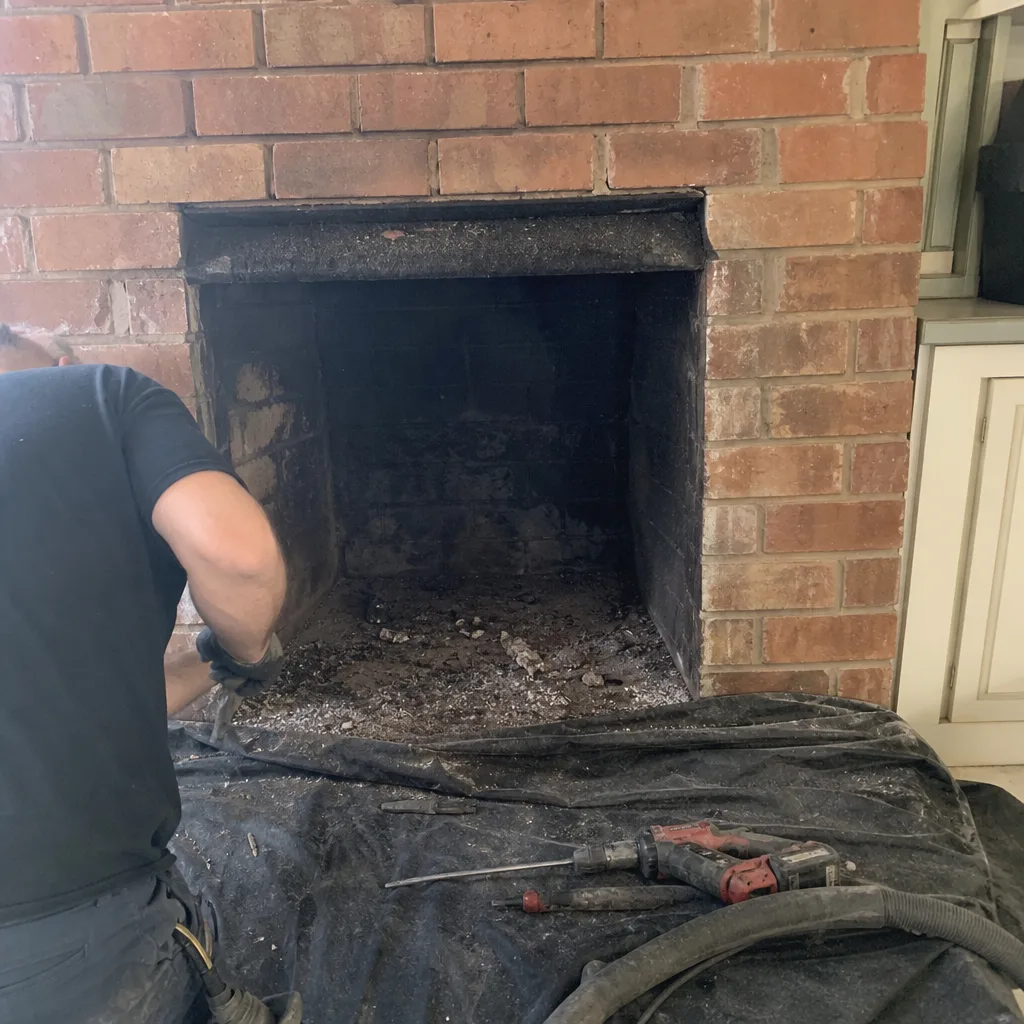 Before
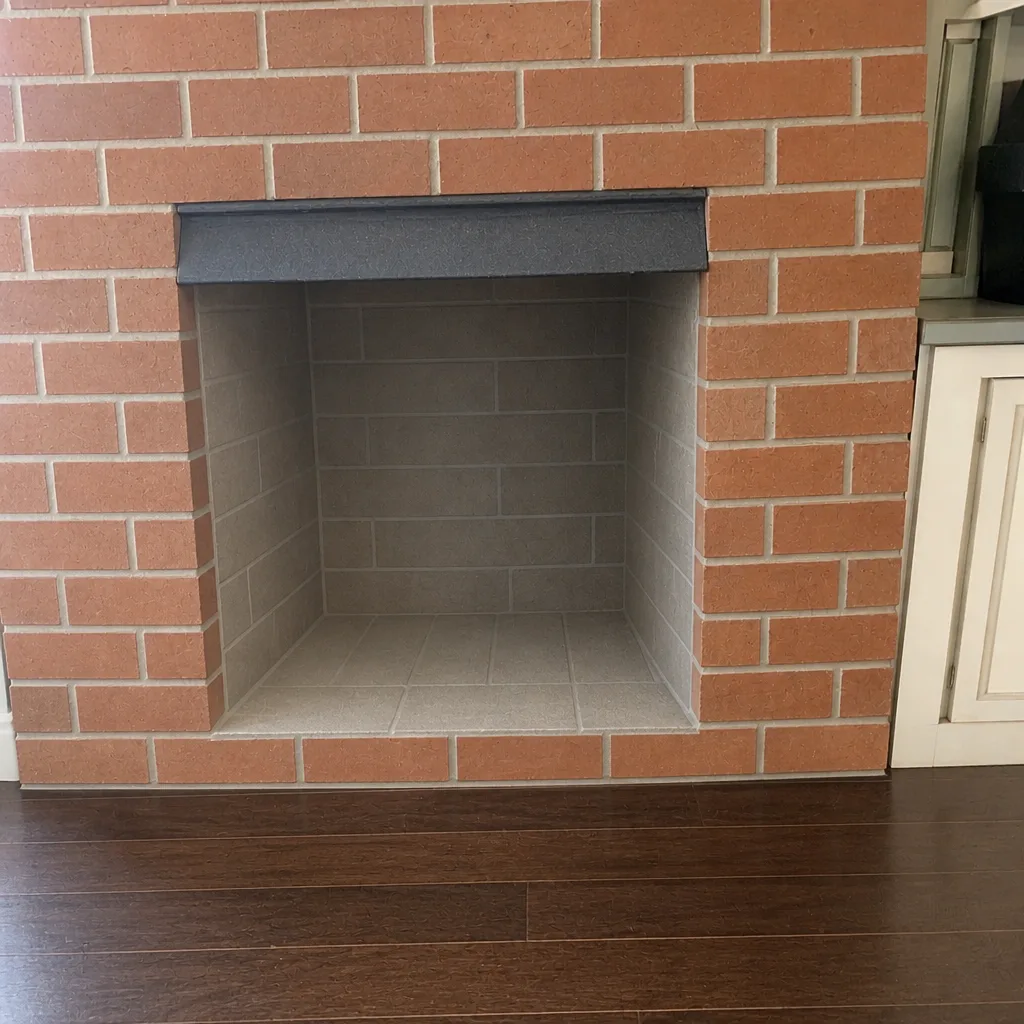 After
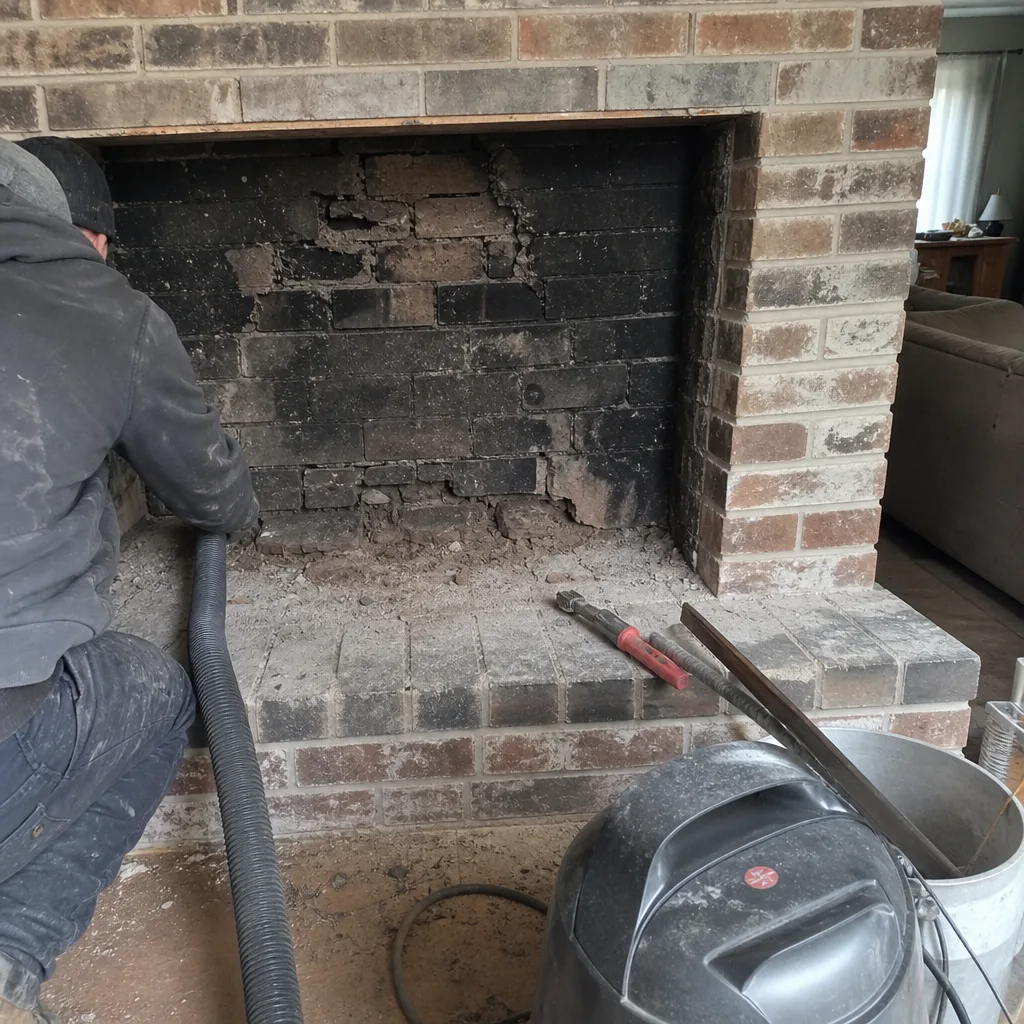 Before
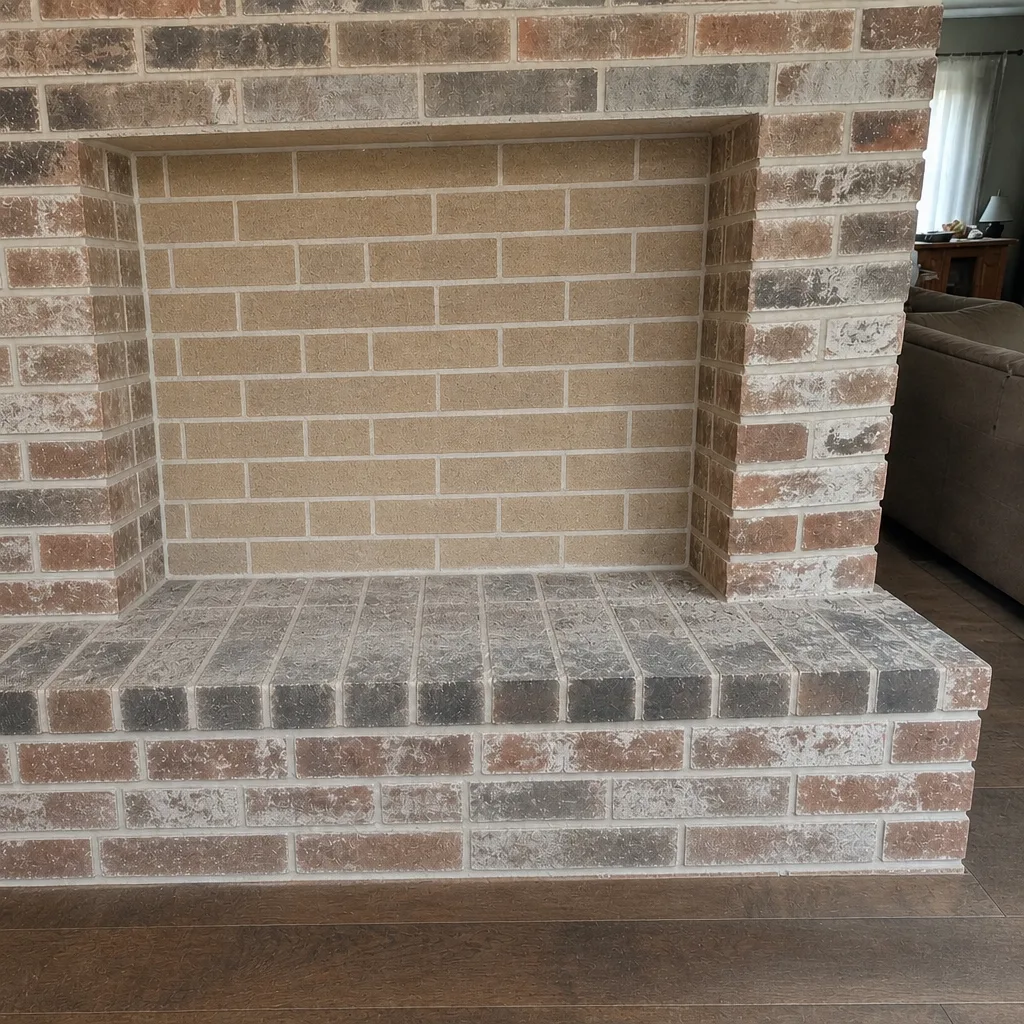 After
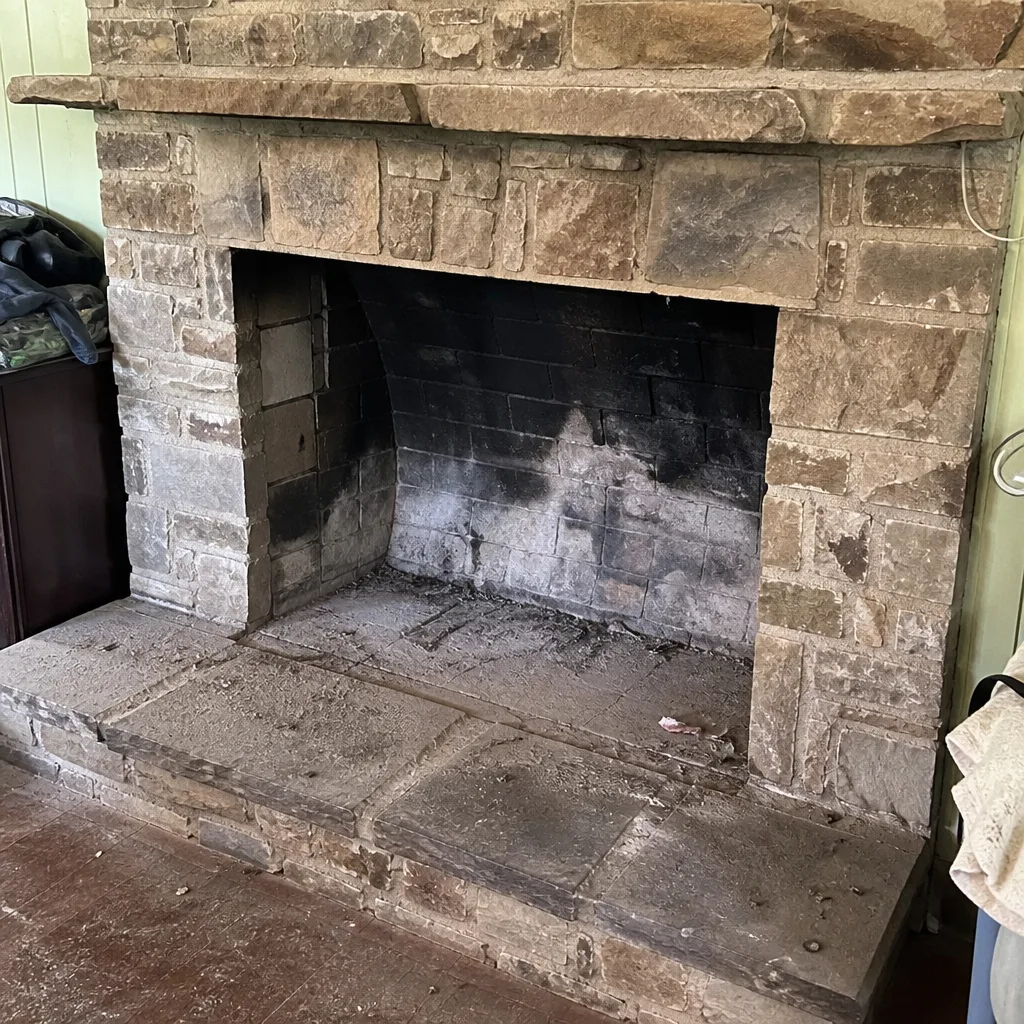 Before
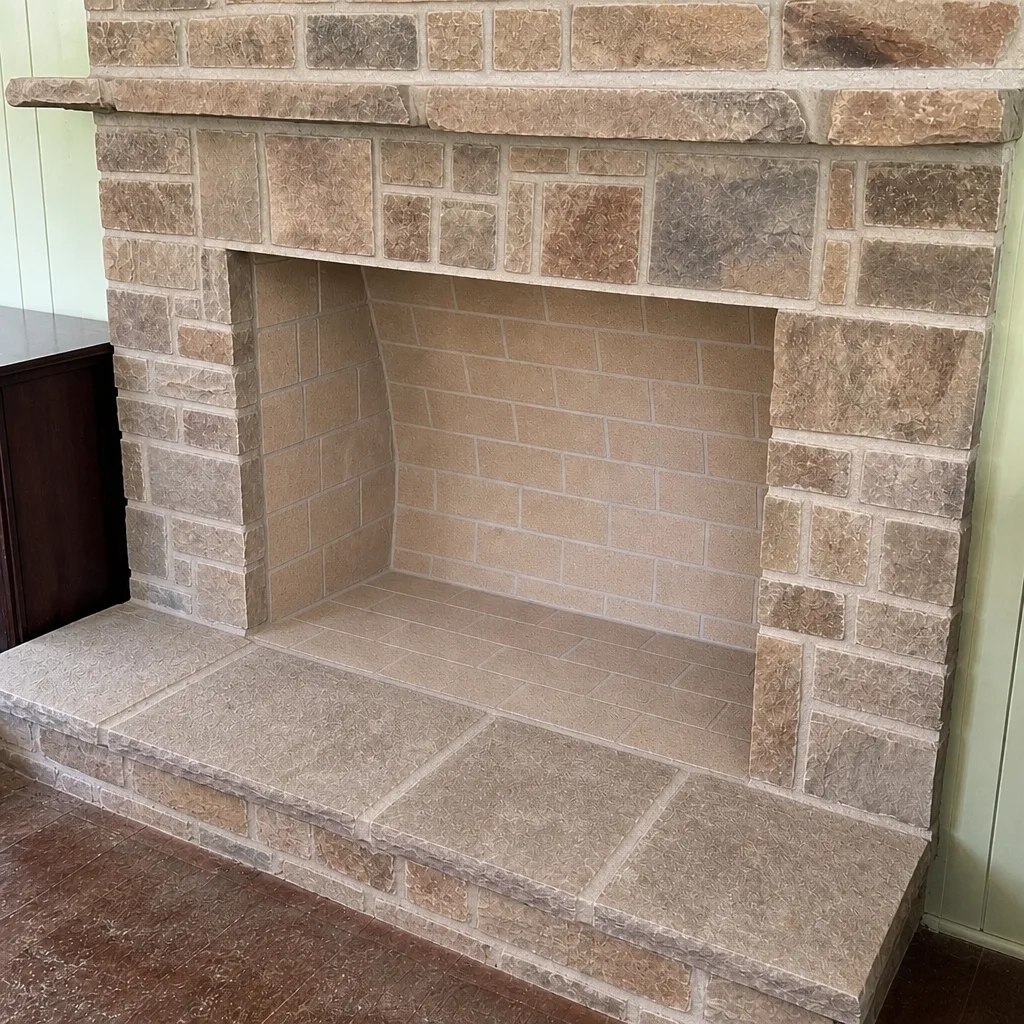 After
When to Call a Professional
Some chimney issues need a technician now, not next month. Call a professional if you smell a strong, acrid odor when the fireplace isn’t in use; if smoke backs into the room when you burn; if the firebox, damper or flue shows visible damage; if you’ve had a chimney fire, even a small one; or if it’s been more than a year since the last inspection and sweep. Creosote buildup is the fuel for chimney fires, and carbon monoxide is the invisible risk when a flue isn’t venting correctly. Neither one announces itself.
If you’re buying or selling a home in Bellevue, get a Level 2 inspection before closing. It’s the standard for property transactions and gives both sides a written record. Chimney Sweep Bellevue offers free estimates in Bellevue – call (855) 337-1241. We answer 24/7. Fast dispatch from 7am to 7pm, Sunday through Friday. If you call outside dispatch hours, we’ll book you into the next opening. Our technicians have up to 15 years of experience, and any repair we recommend comes with camera evidence you can see yourself.
Frequently Asked Questions
No. Tennessee doesn’t issue a chimney sweep license, so there’s no state credential for the trade. What matters instead is CSIA Certified Chimney Sweep or NFI certification, which are industry credentials you can verify through their public directories, plus proof of general liability insurance and workers’ compensation coverage. Ask for all three before booking, and get the insurance certificate in writing.
A standard sweep with an inspection typically falls in the range most homeowners expect for a routine visit, with the final price set per job by a written estimate after the technician sees your chimney’s condition and the scope of work. Two quotes can differ because the scopes differ, not because one is cheaper. Call (855) 337-1241 for an exact quote – estimates are free.
They screen for scope, insurance, documentation and repair capability. Ask what inspection level is included, whether the company carries general liability and workers’ comp, whether you’ll receive a written report, what the process is when a deficiency turns up, and whether you can see a sample post-service report. A contractor who can’t answer all five clearly isn’t the one you want on your roof.
You may not need one, and you shouldn’t accept that recommendation without seeing it. A damaged flue liner can sometimes be restored rather than replaced – resurfacing products like HeatShield can repair cracked tiles without full demolition, which saves real money. Ask for camera footage or photos of the damage, and if you can’t see it, don’t approve it. We can restore before recommending replacement, and we’ll tell you plainly when a repair can safely wait.
Once a year is the standard for a wood-burning fireplace that sees regular use, which aligns with NFPA 211 recommendations. If you burn often or have a smaller flue, more frequent checks may help. Bellevue’s freeze-thaw winters make the annual visit more valuable, because it catches crown and cap damage early, before water intrusion turns a small crack into masonry work. Call (855) 337-1241 to book your annual visit.
You may get a swept firebox but not a real diagnosis. A handyman typically can’t camera the flue, resurface a liner, install a flexible liner, or rebuild a crown with trade-grade materials like Gelco or Famco, and if a fire later traces to missed flue damage, your insurer may question whether the work was done by a qualified chimney professional. It’s a liability gap worth avoiding.
The Bottom Line
In a state with no chimney license, your vetting does the work a license would do elsewhere. Ask about CSIA and NFI credentials and verify them. Ask for insurance in writing. Match inspection levels before comparing prices. Watch for the red flags – vague scope, no written estimate, pressure to approve repairs on the spot – and choose a contractor who can both diagnose the whole system and repair it. Bellevue’s older masonry chimneys and freeze-thaw winters reward that care. A sweep that includes camera inspection, a photo report and an honest read on the crown and cap is the one worth hiring. For a chimney sweep in Bellevue, see our service details, or read more on fireplace repair and chimney cap & crown work.
Call (855) 337-1241. We answer 24/7. Fast dispatch from 7am to 7pm, Sunday through Friday. Our free estimate and written scope are the starting point, and once we’ve inspected the full system, every recommendation comes with evidence you can check for yourself.
Written by the team at Chimney Sweep Bellevue.