
Last updated November 25, 2026
 Sweep & inspection
 Caps & crowns
 Flue relining
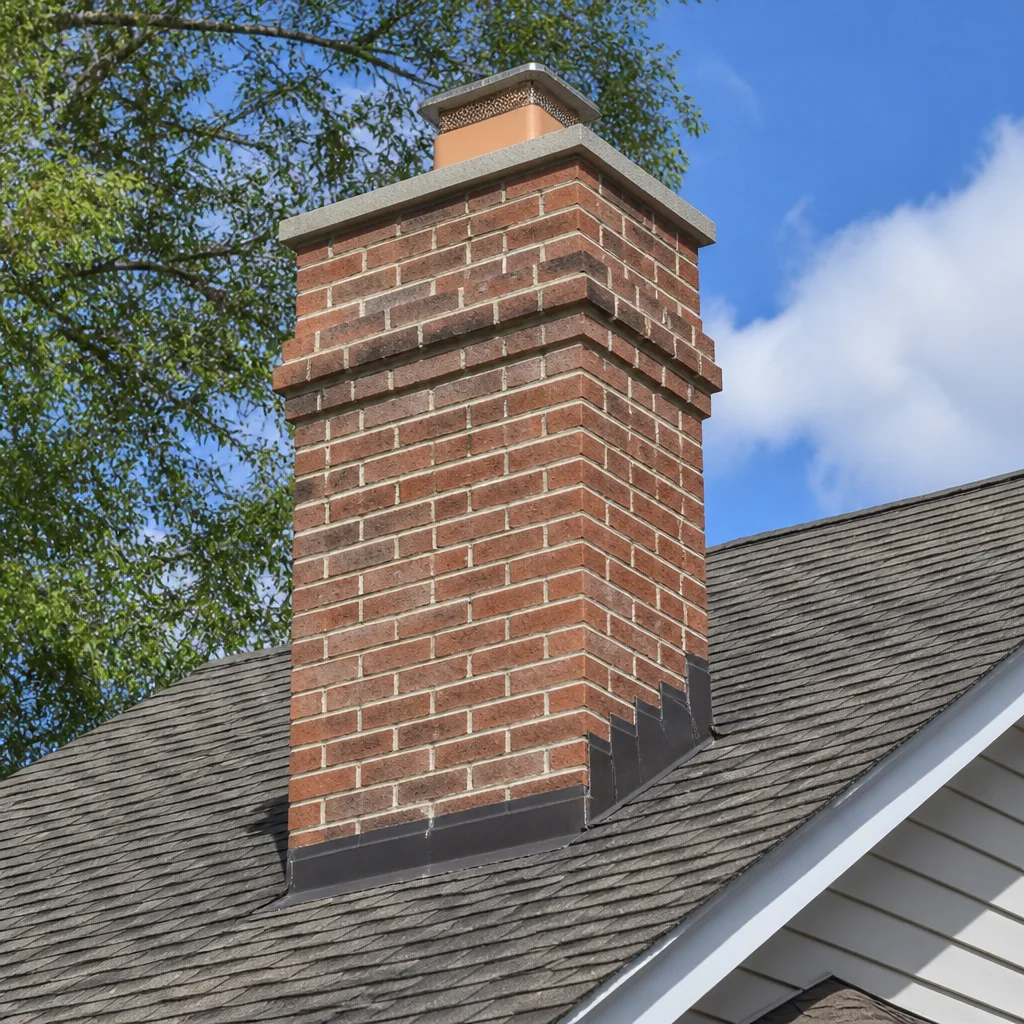 Masonry repair
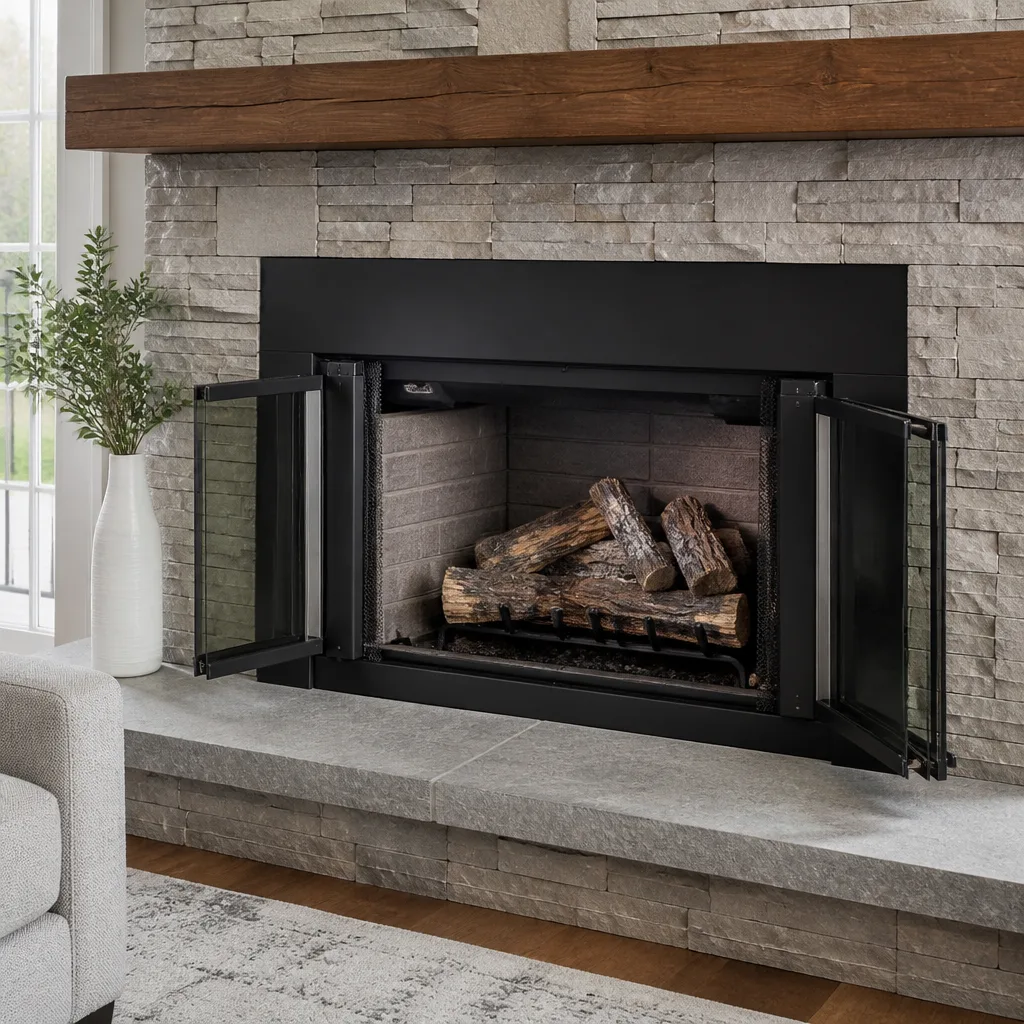 Gas fireplace service
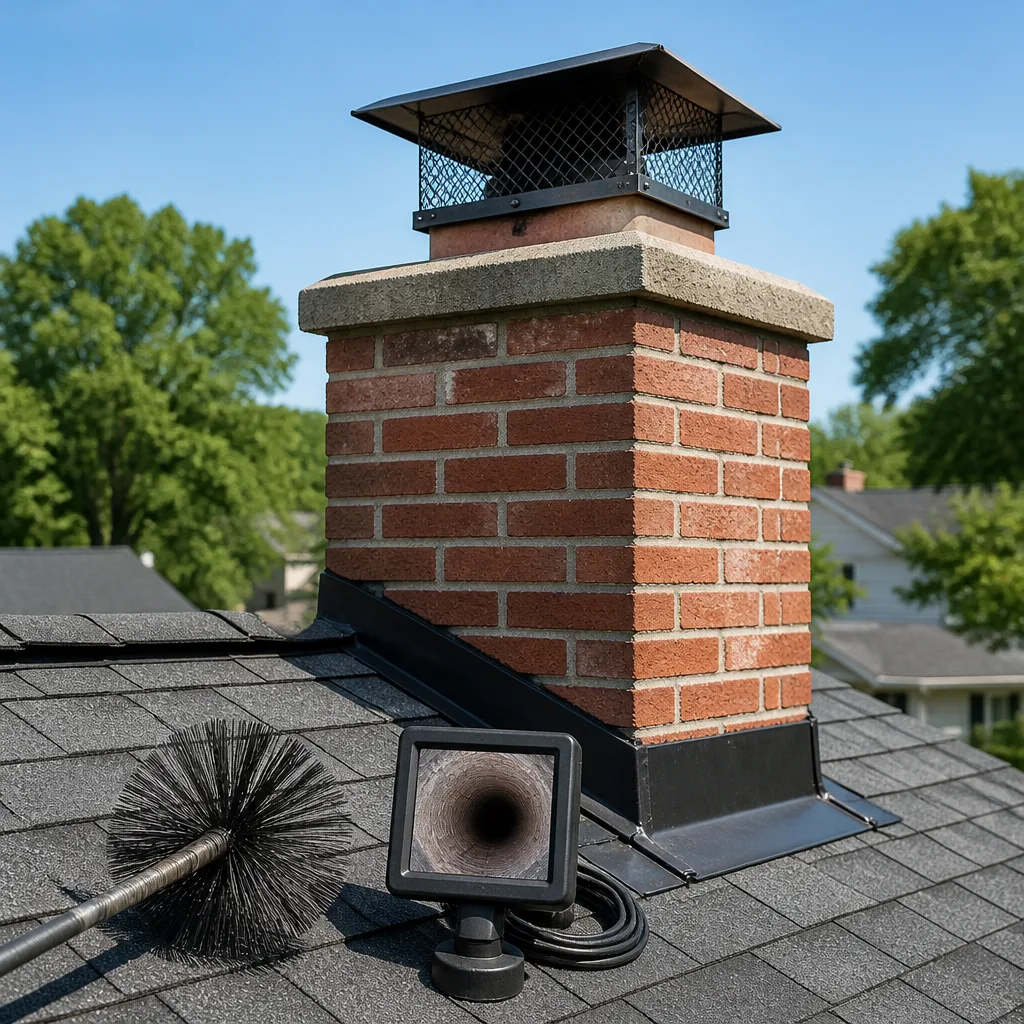
Level 1 sweep and inspection to the NFPA 211 annual standard - flue, crown, cap, and flashing checked and photographed
Chimney sweep logs do not sweep chimneys. They loosen some creosote - which then falls where a brush and vacuum still have to collect it.
DIY vs Professional Chimney Cleaning: The Bellevue Homeowner’s Decision Guide
The brush kits sold online aren’t dangerous. Most of them are decently made, and a patient homeowner with a ladder, a shop vacuum, and a free afternoon can knock a lot of loose soot out of a flue. What’s dangerous is finishing the job, packing up the rods, and believing the chimney is safe. Cleaning and inspecting are two different tasks, and the kit only does one of them. In Bellevue, where a large share of homes were built between the 1970s and 1990s and carry prefab fireplaces with liner systems now well into middle age, the assessment is usually the part that catches the problems worth catching. This guide is an honest look at what DIY can do, what it can’t, and how to decide for your own house.
Quick Answer
DIY chimney cleaning can remove loose, Stage 1 creosote from an accessible flue, and for some Bellevue homeowners that’s a reasonable bit of upkeep between professional visits. It cannot remove hardened Stage 2 or glazed Stage 3 creosote, and it cannot tell you whether your liner, smoke chamber, crown, or flashing are failing. Professional cleaning pairs the sweep with a camera inspection and a written report, which is the part that actually protects your home. If your chimney hasn’t been inspected by a qualified specialist, brushing it yourself doesn’t change that.
Styles & brands we work with
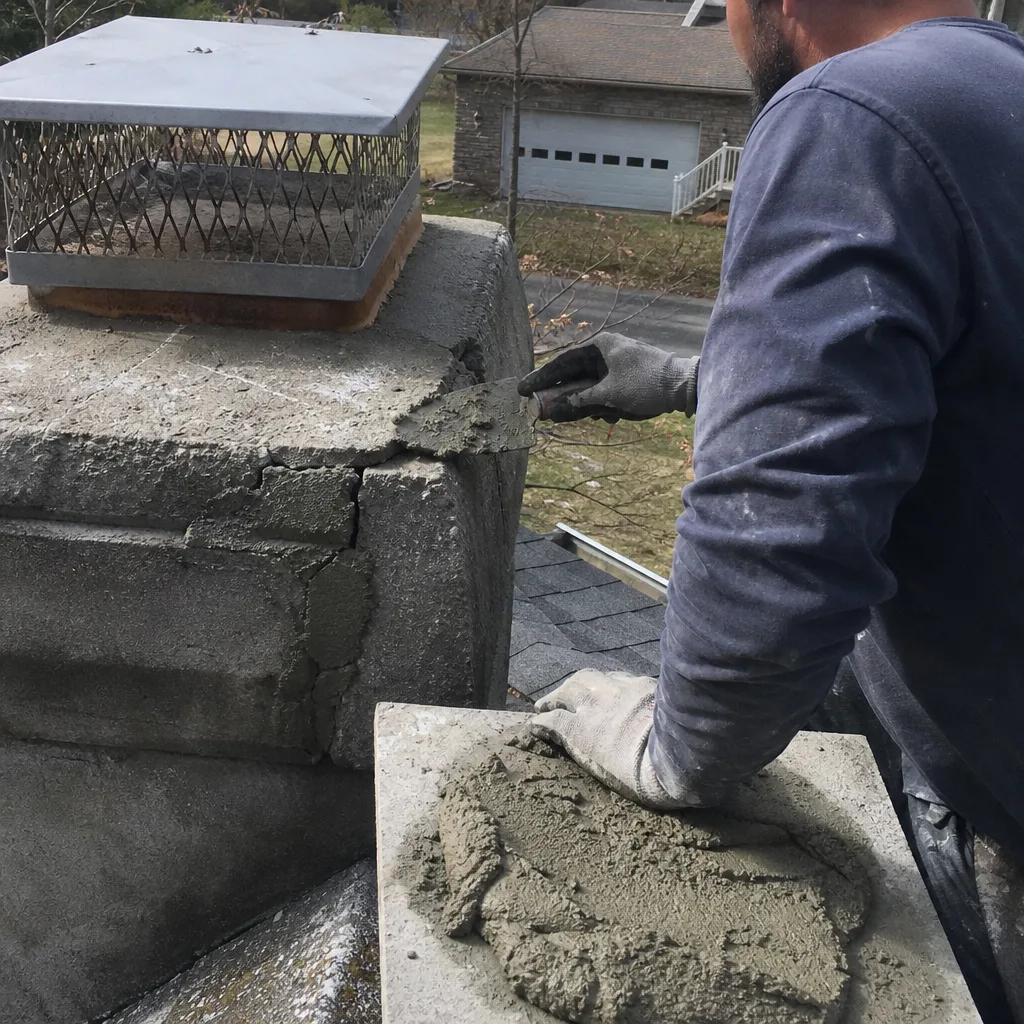
- Sweep & inspection
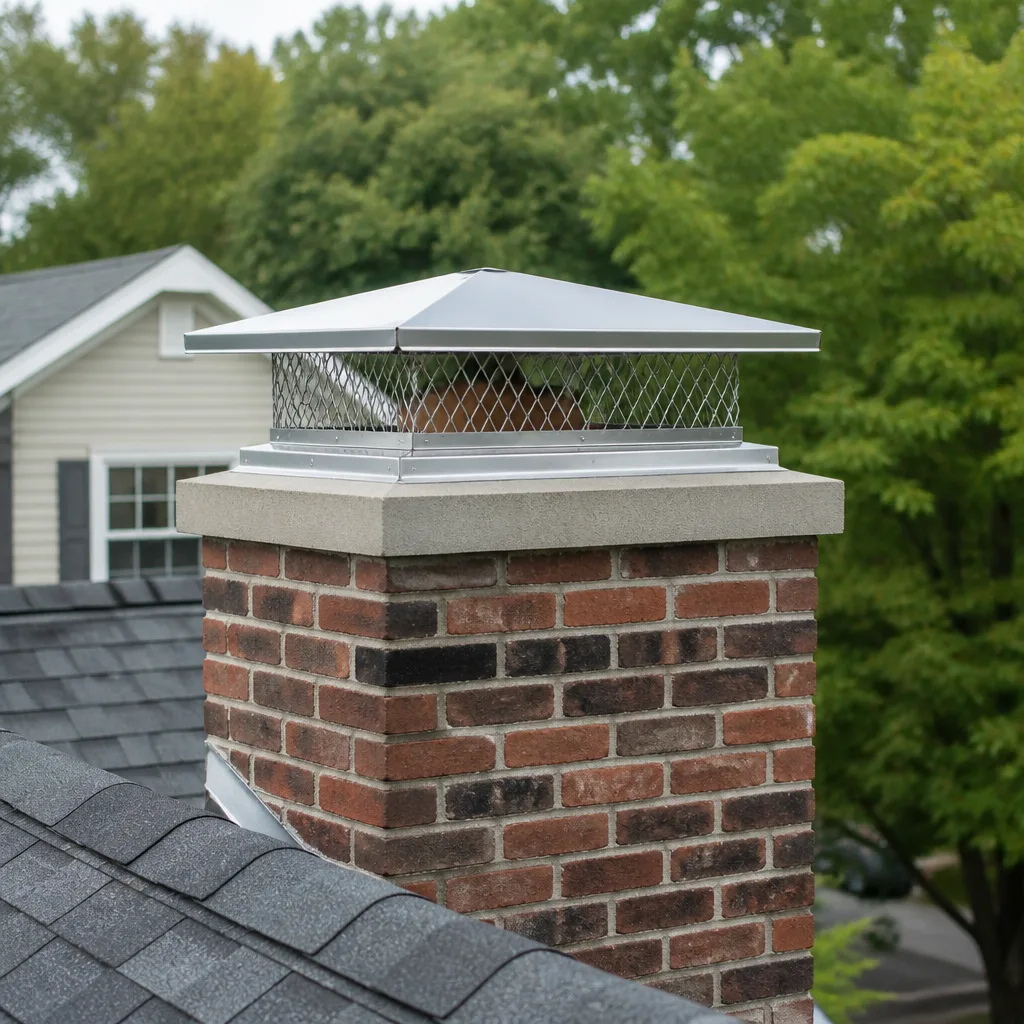
- Caps & crowns
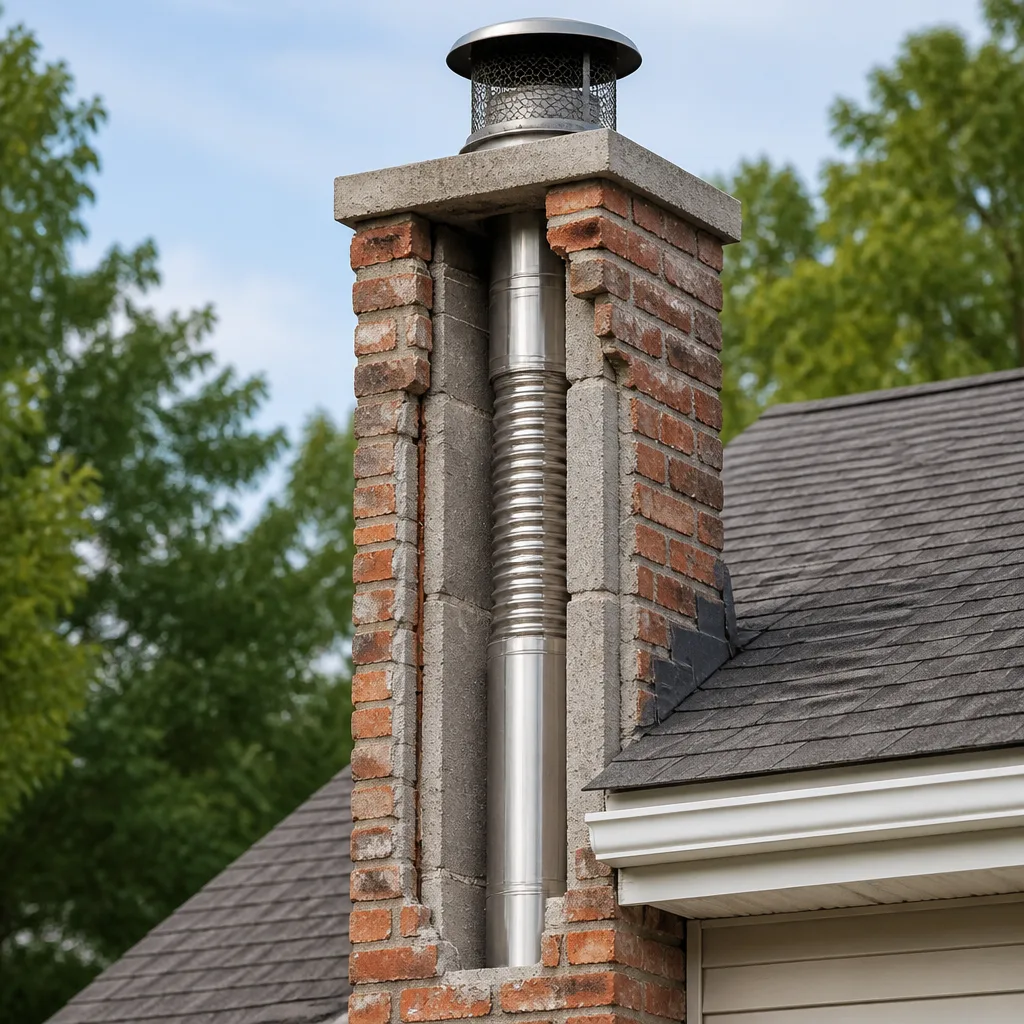
- Flue relining
- Masonry repair
- Gas fireplace service
Table of Contents
- What DIY Chimney Cleaning Can Actually Remove
- What DIY Cannot Assess: Liner Defects, Smoke Chambers, and Structure
- The Equipment Gap: Consumer Kits vs Professional Rotary Cleaning
- Why Bellevue’s Housing Stock Changes the Math
- The Insurance and Liability Reality
- When Limited DIY Upkeep Is Reasonable (and What It Shouldn’t Replace)
- What a Professional Inspection Actually Covers
- Cost Comparison: DIY vs Professional in Bellevue
What DIY Chimney Cleaning Can Actually Remove
Creosote forms in three recognizable stages, and a consumer brush kit is only built for the first one. Stage 1 is the flaky, dusty, soft soot that accumulates after a season of burning and comes off readily with bristles and suction. Stage 2 is denser and stickier, sometimes described as tar-like, and it clings to the flue walls in a way a hand brush struggles to break. Stage 3 is glazed and hard, essentially a baked-on shell, and no consumer kit will touch it. Professional rotary equipment with the right cutting heads will, and even then it takes a trained hand.
What that means in practice is that a DIY sweep can honestly report “I got a lot of soot out” and still leave behind the layer that matters most. The deposits that fuel a chimney fire are usually the ones a kit can’t reach or break loose. In our experience, homeowners who clean their own flues and then call for an inspection often find that the flue looked clean from below and wasn’t from above.
What a Brush Kit Handles Well
- Loose, flaky soot on the walls of a straight, accessible flue
- Ash and debris in the firebox and on the smoke shelf
- Light dust on a clean, recently serviced liner
What a Brush Kit Leaves Behind
- Stage 2 tar-like deposits bonded to the flue walls
- Stage 3 glazed creosote, which requires rotary cutting tools
- Deposits beyond an offset or in a flue the rods can’t follow cleanly
- Anything above a cap the homeowner can’t safely reach
What DIY Cannot Assess: Liner Defects, Smoke Chambers, and Structure
Here’s the gap that matters more than the soot. A brush going up and down a flue tells you almost nothing about the condition of the liner, the smoke chamber above the damper, the crown at the top, or the flashing where the chimney meets the roof. Those are the components that fail silently, and Bellevue’s mix of older prefab fireplaces and wood-burning inserts means plenty of them are at the age where cracking, spalling, and gaps in the flue tiles start to show up.
A camera inspection is how those problems get caught. It sees the inside of the flue, the smoke chamber, and the connection points that a brush simply passes by. We inspect the full system, not just the firebox, because the firebox is the part you can already see. The parts you can’t see are the reason the inspection exists.
Smoke chamber deterioration is a good example. The smoke chamber is the tapered area above the damper that funnels exhaust into the flue, and when its parging breaks down, smoke can slow, swirl, and spill into the room instead of going up. You’ll notice the symptom (a fireplace that smokes, or a smell that lingers) but you can’t diagnose it without getting eyes on it. Structural issues in the chimney chase, cracked crowns, and rusted caps fall into the same category: visible from the outside, invisible from the hearth.
The Equipment Gap: Consumer Kits vs Professional Rotary Cleaning
The difference between a brush kit and a professional rotary system is the difference between a hand saw and a circular saw. Both cut, but they’re built for very different jobs. Professional rotary cleaning uses spinning heads driven by a flexible rod, and the heads are chosen for the deposit type: poly for light soot, wire for heavier Stage 2, and chain or specialized cutters for glazed creosote. A homeowner kit usually ships with one brush and one diameter, and that’s the end of it.
In Bellevue, that gap widens because of how the housing stock is built. Many 1970s through 1990s homes here have longer flue runs and offsets: the flue jogs a little to get around a framing member or to reach the roofline. Consumer rods have trouble following an offset with any pressure behind them. Professional rods and heads are made to flex through the jog and still deliver cleaning force to the wall. A kit that stalls at the offset leaves everything above it untouched, and the homeowner has no way to know.
The Practical Differences
- Rod flexibility: professional rods follow offsets; consumer kits often don’t
- Head variety: rotary systems match the cutter to the creosote stage; kits ship one brush
- Suction: professional vacuums capture fine dust at the source; a shop vac pushes some of it into the room
- Verification: a camera confirms what was removed and what wasn’t; a kit gives you your best guess
Why Bellevue’s Housing Stock Changes the Math
Bellevue sits south of Nashville, and its housing inventory carries a specific fingerprint: a lot of the subdivisions built from the 1970s into the 1990s, many with prefab fireplaces and factory-built chimneys that were installed with the house. Those systems were engineered for a service life, and the liners in them are now decades old. Some are still sound. Some have cracked tiles, failed joints, or a cap that’s been letting water in for years. The only way to know which side of that line your house is on is to have the system inspected by someone who knows what they’re looking at.
That’s the crux of the DIY question in Bellevue: the brushing isn’t the hard part, and it never was. The hard part is knowing whether the thing you just brushed is safe to burn in. A homeowner can clean a flue and feel accomplished. A homeowner can’t look up a flue from below and tell you whether the liner joint above the smoke chamber has opened up. If you want the assessment done properly, that’s a professional visit. If what you actually want is the cleaning, and you’re willing to accept that the assessment is happening elsewhere, that’s a different decision.
We work with brands like Olympia Chimney and DuraFlex when a liner needs attention, and both are trade-spec products chosen for the job rather than a shelving decision at a big-box store. When repair is needed, that’s the kind of material that gets specified.
The Insurance and Liability Reality
This is the part homeowners rarely think about until they need to. If a chimney fire happens after the homeowner has done a DIY cleaning, the insurance claim can get complicated. Insurers generally want to see that the chimney was maintained and inspected by a qualified professional, and a homeowner’s own brushing doesn’t provide that record. A documented professional inspection is the paper trail. Without it, an adjuster may question whether the chimney was properly maintained at all.
That doesn’t mean every claim gets denied. It means the burden shifts. A claim that would have been routine with an inspection report becomes a conversation about what was known, what was checked, and what wasn’t. In our experience, this is the single strongest argument for at least having the inspection done professionally, even if the homeowner handles some light cleaning in between. The inspection report is what stands between a difficult claim and a straightforward one.
There’s a safety side to the same coin. A homeowner who cleans a flue and skips the inspection can create a false sense of security: the flue looks clean, so the family keeps burning, and the cracked liner behind the soot goes unnoticed. Carbon monoxide doesn’t announce itself. The inspection is the check that catches the problem the cleaning missed.
When Limited DIY Upkeep Is Reasonable (and What It Shouldn’t Replace)
We’re not going to tell you the brush kit is useless. It isn’t. If your chimney has been professionally inspected recently, if the liner is sound, if you burn dry, well-seasoned wood, and if you’re cleaning between annual professional visits to keep light soot from building up, a bit of DIY upkeep is a reasonable thing to do. The key word is “between.” DIY works as upkeep, not as a substitute for the annual sweep-and-inspect.
Bellevue’s burning season is real but not extreme, and most homeowners here burn a few cords a year at most. That’s the kind of use where a professional sweep once a year and a light homeowner touch-up in between can be a workable rhythm, provided the inspection is happening on schedule. If you burn more heavily, or you’re not sure of your liner’s condition, or the chimney hasn’t been seen by a professional in a while, the DIY upkeep doesn’t buy you anything until the baseline is established.
Where DIY Upkeep Makes Sense
- Between scheduled professional sweep and inspection visits
- Light soot on a recently inspected, sound chimney
- Cleaning the firebox and clearing ash
- Keeping the cap clear of debris and checking it after storms
Where It Shouldn’t Be a Substitute
- Replacing the annual professional inspection
- Handling a chimney that has never been inspected
- Managing a flue with known or suspected liner issues
- Cleaning a flue with heavy or glazed deposits
What a Professional Inspection Actually Covers
An inspection follows a systematic path from the firebox to the top of the chimney, and the sequence matters because each step tells the inspector something about the next. The NFPA 211 standard is the reference point for how often and how thoroughly this should be done, and a qualified inspector will work through the system in roughly this order:
- Firebox and damper: condition of the firebox walls, the damper operation, and any gaps or cracks
- Smoke chamber: the parging condition and whether the taper is intact
- Flue interior: camera inspection of the liner, joints, and any offsets
- Chimney exterior: crown, cap, flashing, and masonry or siding condition
- Attic and roofline: where accessible, the chase and any signs of water intrusion
- Report: findings documented with photos the homeowner can see
What you get at the end is a real answer instead of a guess. If the system is sound, you’ll hear that. If there’s a crown that needs sealing, or a cap that should be replaced, or a liner that’s failing, you’ll see the photos and understand the reasoning. Nothing gets recommended without camera evidence you can see for yourself, and if a job can safely wait a season, we say so.
When repair is needed, the options vary by what’s wrong. A cracked flue tile in an otherwise sound chimney can often be resurfaced rather than torn out. HeatShield liner resurfacing is a restoration process that seals and smooths the flue from the inside, and it’s a real alternative to full relining in the right conditions. For a chimney with an irregular or damaged flue that can’t be resurfaced, a DuraFlex flexible liner covers the relining. On the top end, chimney cap & crown work addresses water intrusion, which is the leading cause of long-term chimney deterioration, and it’s a repair tier a sweep-only outfit usually won’t handle.
The point is that “what’s wrong” and “what it takes to fix it” live in the same visit. The scope runs from a routine chimney sweep through structural repair, and it’s handled by the same specialist, so there’s no coordinating a sweep with one contractor and a repair with another. That’s the argument for a full-system specialist over a handyman with a brush. Fireplace repair works the same way: the diagnosis happens on the same visit as the sweep, and the fix follows.
Cost Comparison: DIY vs Professional in Bellevue
A DIY kit costs what the kit costs, plus the time and the ladder work. A professional sweep costs more, and it comes with the inspection and the report that the kit can’t produce. The honest comparison isn’t “cheap vs expensive,” it’s “cleaning only” vs “cleaning plus assessment,” and the second column is the one that carries the safety value. Estimates are free, the written estimate sets the final price, and the flat-price sweep is agreed before booking.
DIY vs Professional: What Each One Delivers
- DIY kit: loose soot removal, firebox cleaning, and a working knowledge of your own setup. No inspection, no report, no record for insurance.
- Professional sweep: full flue cleaning, camera inspection, and a written report with photos. The assessment is the deliverable.
- Professional plus repair: sweep, inspection, and any liner or crown work handled on the same visit, with materials like HeatShield and Copperfield specified for the job.
For a Bellevue homeowner deciding between the two, the question to ask isn’t “how much can I save on the brushing” but “what does the brushing cost me if it’s the only thing that gets done?” A chimney that gets brushed but never inspected is a chimney that’s been cleaned and left unassessed. The savings on the sweep are real; the exposure is also real. We’d rather you know both numbers before you decide.
Common Mistakes to Avoid
- Treating a DIY sweep as a completed inspection. The brush does one job. It doesn’t tell you the liner is sound, and it doesn’t document anything for your records.
- Assuming a clean-looking flue is a safe flue. A flue can look clean from the firebox and still have a cracked tile or a failing joint above the offset. The camera is the only way to know.
- Using the wrong brush on glazed creosote. A standard poly brush won’t touch Stage 3 deposits, and forcing it can damage the liner. Glazed creosote needs rotary cutting tools in trained hands.
- Skipping the cap and crown check. Water intrusion at the top of the chimney is the leading cause of long-term deterioration, and it’s invisible from the hearth. A cap or crown in bad shape undoes a lot of good cleaning.
- Burning green or unseasoned wood to “burn off” deposits. It doesn’t work, and it adds to the creosote load. Dry, seasoned wood is the baseline for any homeowner.
- Cleaning above a prefab fireplace without knowing the liner type. Bellevue’s older prefab systems have specific liner requirements, and the wrong brush or method can do damage that a professional would have avoided.
- Waiting until there’s a problem to schedule the first inspection. The inspection is most useful before there’s a symptom. Once the fireplace is smoking, the problem has usually been building for a while.
See the difference
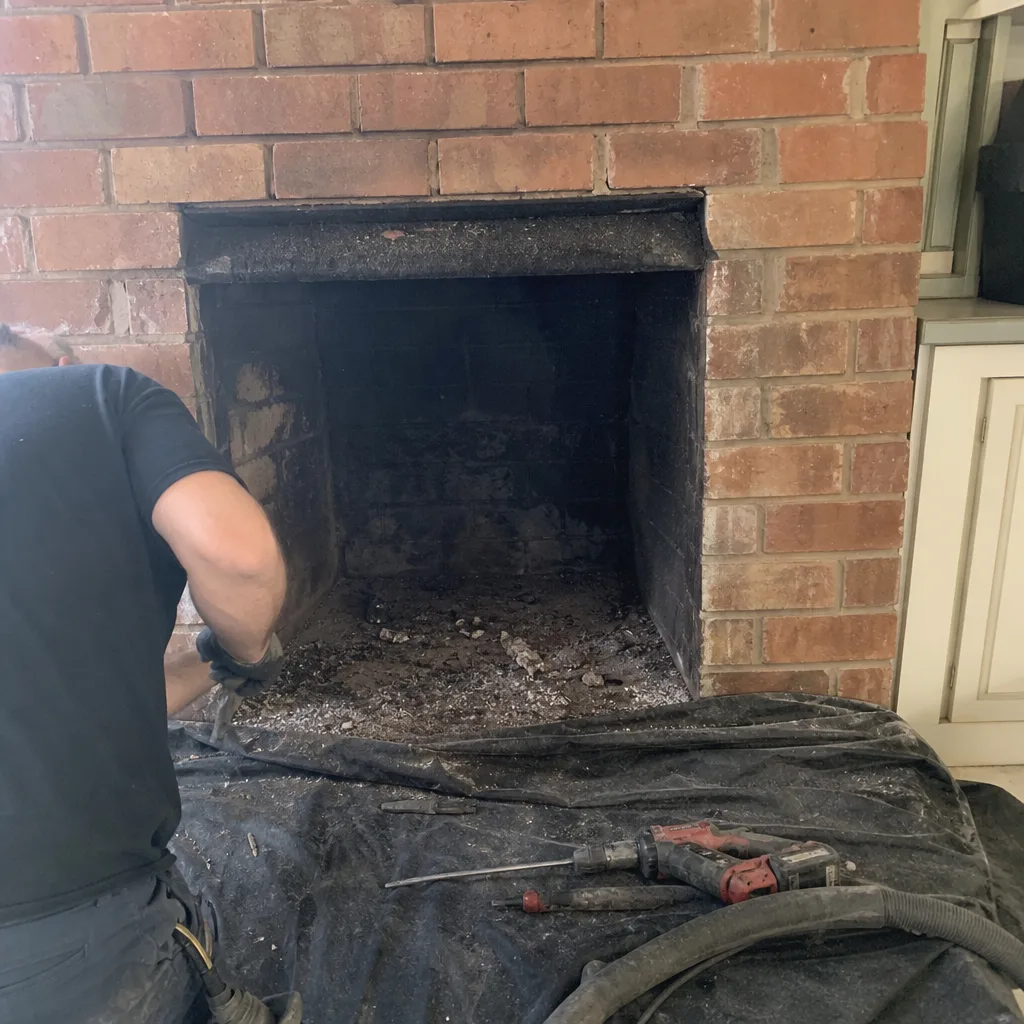 Before
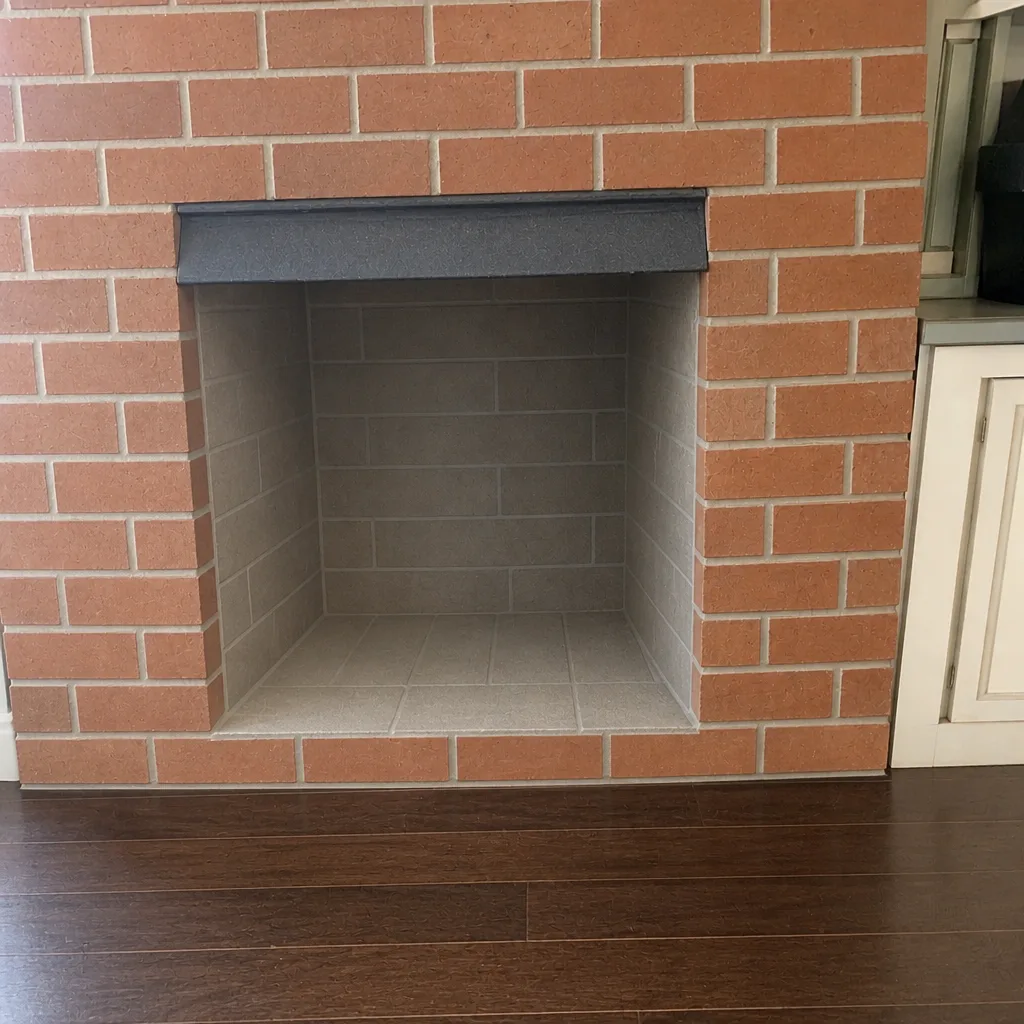 After
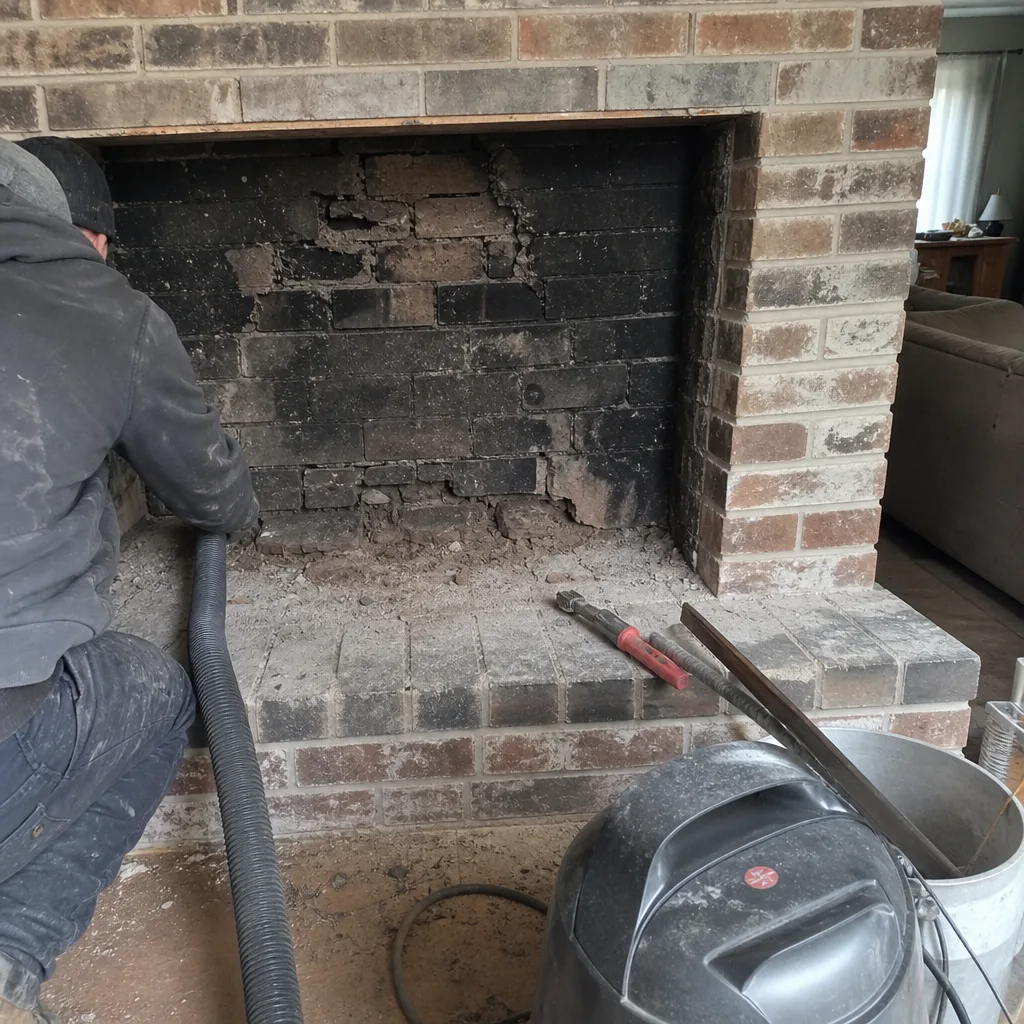 Before
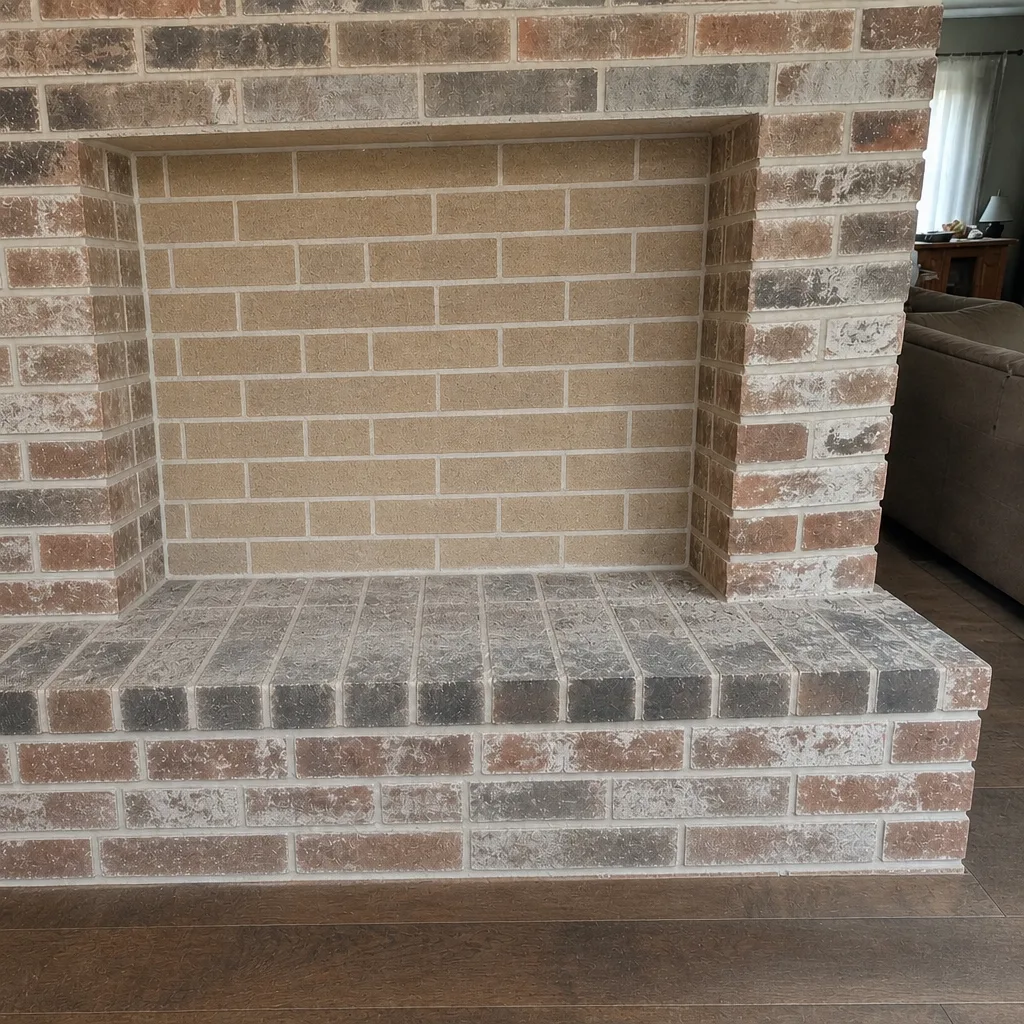 After
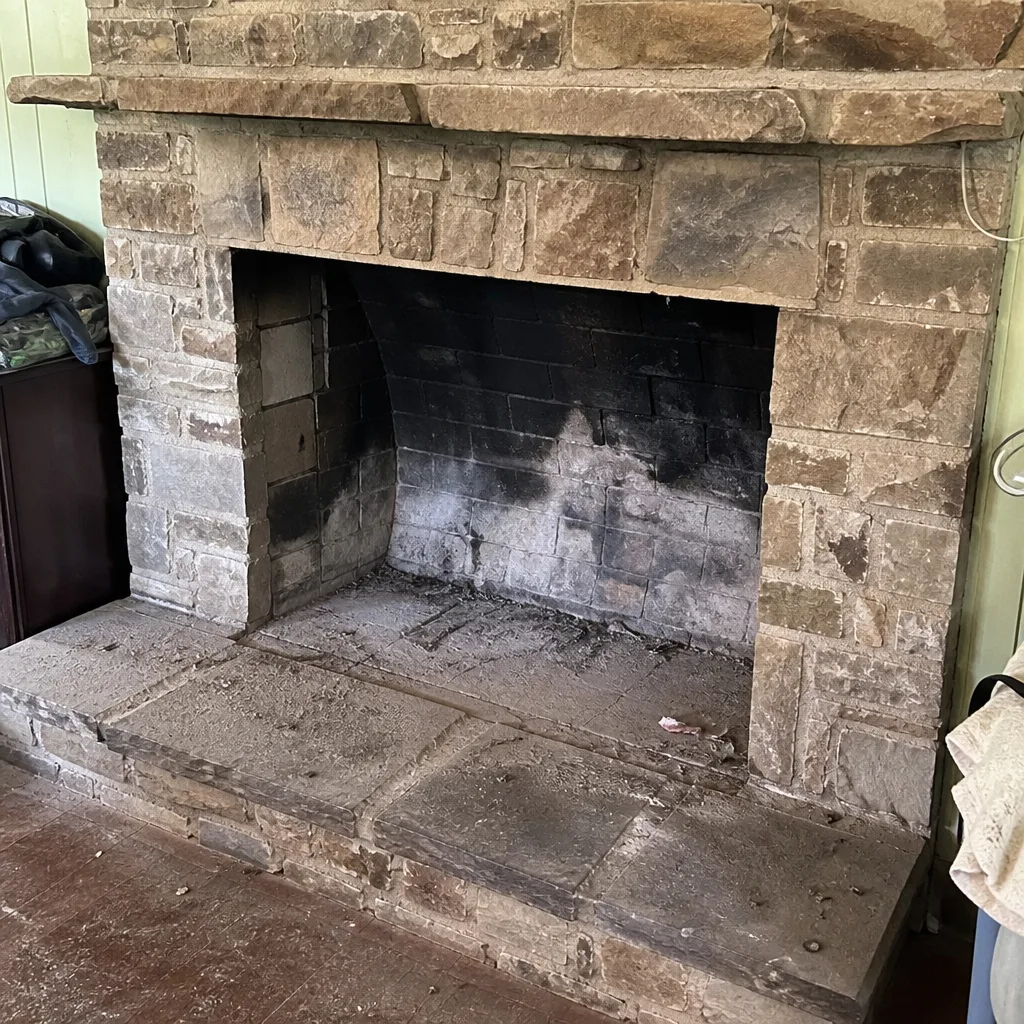 Before
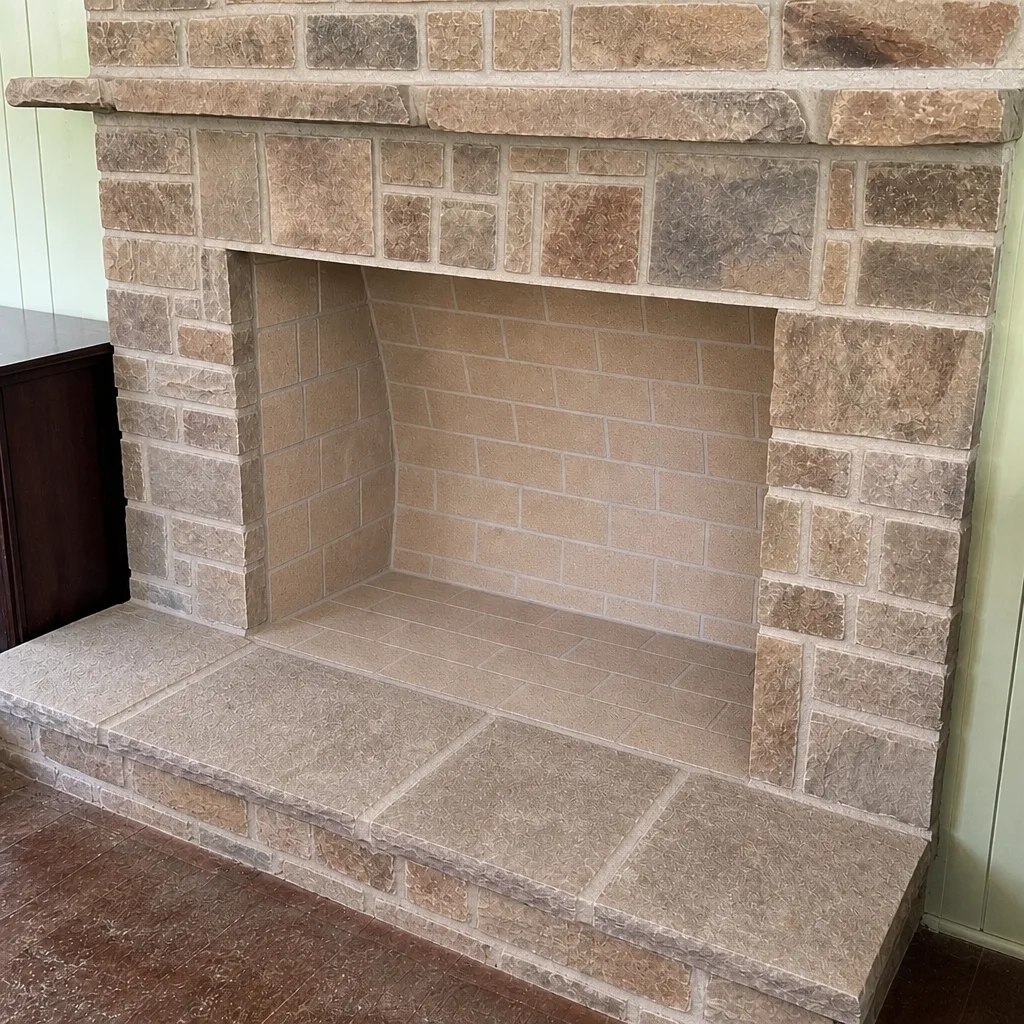 After
When to Call a Professional
Call a professional if your chimney hasn’t been inspected in the last year, if you’ve noticed smoke spilling into the room, if there’s a smell that lingers after the fire is out, if the cap or crown looks damaged from the ground, or if you’re not sure of your liner’s condition. Call if you’re buying or selling a home in Bellevue and need a certified pre-purchase chimney inspection. Call if you’ve done DIY cleaning and want the assessment done properly. And call if the flue has heavy or glazed deposits, because that’s rotary work, not brush work. Chimney Sweep Bellevue offers free estimates in Bellevue. Call (855) 337-1241. We answer 24/7. Fast dispatch from 7am to 7pm, Sunday through Friday.
Frequently Asked Questions
Yes, you can remove loose Stage 1 soot from an accessible flue with a consumer brush kit, and for some homeowners that’s reasonable upkeep between professional visits. What you can’t do is inspect the liner, smoke chamber, crown, or flashing, which is the part that catches real problems. If the chimney hasn’t been professionally inspected recently, the DIY cleaning doesn’t change that. Call (855) 337-1241 for a free estimate on a sweep and inspection.
It depends on the policy and the circumstances, and a DIY cleaning alone usually doesn’t provide the documented professional inspection insurers look for. If a chimney fire happens after a homeowner cleaning with no professional inspection on record, the claim can get complicated. The professional inspection report is the record that keeps a claim straightforward. Call (855) 337-1241 to schedule an inspection you can hand to your insurer.
The general guidance is once a year for a chimney in regular use, and more often if you burn heavily or notice buildup. The annual inspection is the point of the visit, because it confirms whether the system is safe to keep burning. If you’re not sure when yours was last done, that’s a good reason to book one. Call (855) 337-1241 for a free estimate.
No. Glazed Stage 3 creosote is essentially a baked-on shell, and consumer kits aren’t built to break it. It takes professional rotary cutting tools and a trained hand, and even then it’s a job that needs care not to damage the liner. If you’re seeing shiny, hard deposits in the flue, that’s a professional call, not a DIY one. Call (855) 337-1241 for an assessment.
Yes, if the “cleaning” is the only thing happening. Cleaning removes soot; inspection looks at the liner, smoke chamber, crown, and flashing. They’re two different tasks, and the inspection is the one that catches the problems worth catching. In Bellevue’s older prefab fireplaces, the liner condition is exactly what you want eyes on. Call (855) 337-1241 to schedule one.
You keep burning with no information about whether the system is safe, and that’s the risk. A cracked liner or a failing joint can let combustion gases escape in ways you won’t notice until there’s a symptom, and by then the problem has usually been building. Skipping the inspection doesn’t make the problem go away; it just delays finding it. Call (855) 337-1241 for a free estimate and get the answer on record.
The Bottom Line
DIY chimney cleaning removes loose soot, and for some Bellevue homeowners that’s a reasonable bit of upkeep between professional visits. It cannot remove glazed creosote, and it cannot assess the liner, smoke chamber, crown, or flashing. In a town where a lot of homes carry prefab fireplaces with aging liner systems, the assessment is the part that matters. If your chimney has been inspected recently and you want to touch it up, do it. If it hasn’t, the brushing can wait until the inspection happens. The cleaning is what you can do; the inspection is what keeps the family safe. Chimney Sweep Bellevue handles the full scope: sweep, inspection, cap and crown, fireplace repair, and liner work with trade-spec materials like HeatShield and DuraFlex.
Call (855) 337-1241 for a free estimate. We answer 24/7. Fast dispatch from 7am to 7pm, Sunday through Friday. We’re closed Saturday. Estimates are free, the written estimate sets the final price, and nothing gets recommended without camera evidence you can see for yourself. Our technicians have up to 15 years of experience, and we work with brands like Olympia Chimney, Famco, and Copperfield when a repair is needed.
Written by the team at Chimney Sweep Bellevue.